Insulation is the most effective way to save energy. With high gas prices, the investment in insulation pays for itself even faster. More and more people are choosing to insulate their homes, also because making your home more sustainable is an increasingly important societal issue. But what is the best insulation material?
The answer to this question is not simple. It depends, among other things, on which part of the building you want to insulate, the quality of the insulation material, and the method of installation. In this article, we will try to provide some insights, focusing on ecological insulation materials
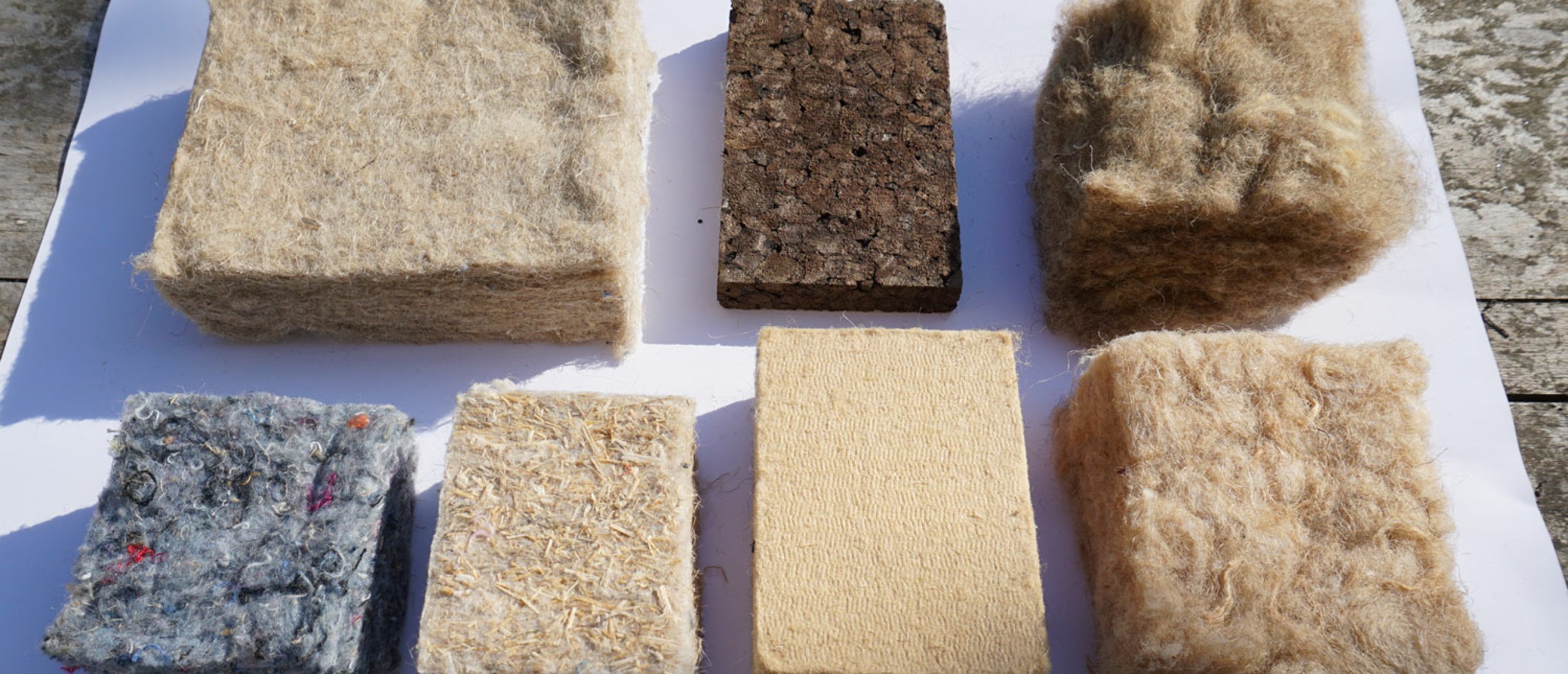
.
What is the best insulation material for a crawl space?
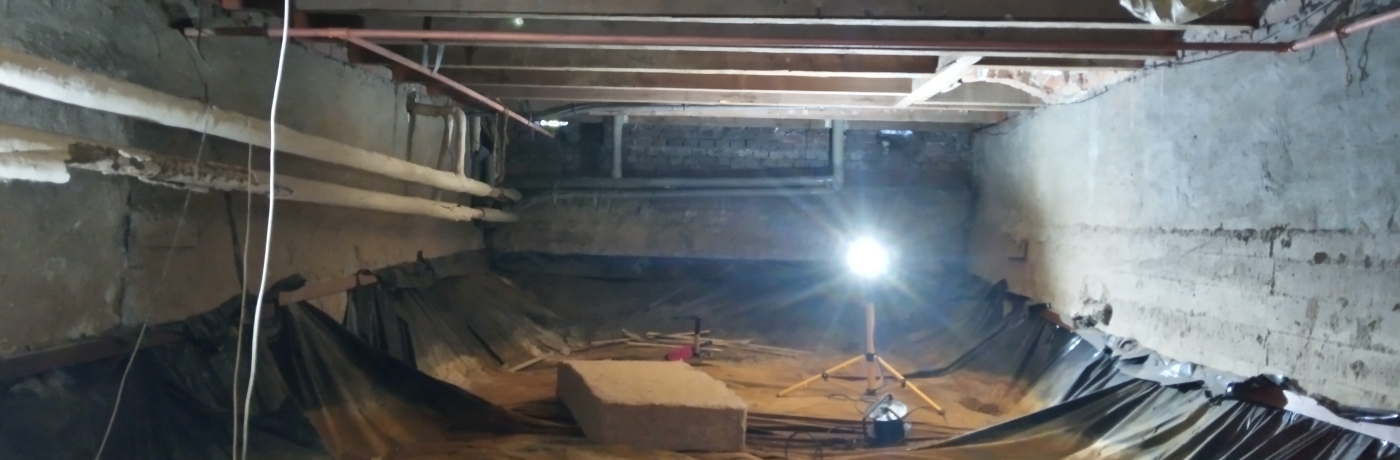
If you have a crawl space of 50 centimetres or higher, it is advisable to apply insulation material to the underside of your floor. You can also insulate your ground floor from above, but this means losing usable space and having to adjust all your door frames. Customers sometimes ask what is more effective: subfloor insulation or floor insulation
? To understand the answer, you need to realise that with subfloor insulation, cold air still reaches your floor, but the heat you lose from your house no longer has to warm the entire crawl space because this has been reduced by subfloor insulation. Floor insulation will always be more efficient because it is directly against your floor.
For insulating the ground floor, it is particularly important that the insulation material fits through the crawl hatch without too much cutting. In some cases, it needs to be flexible enough to compress without crumbling excessively. Flax insulation
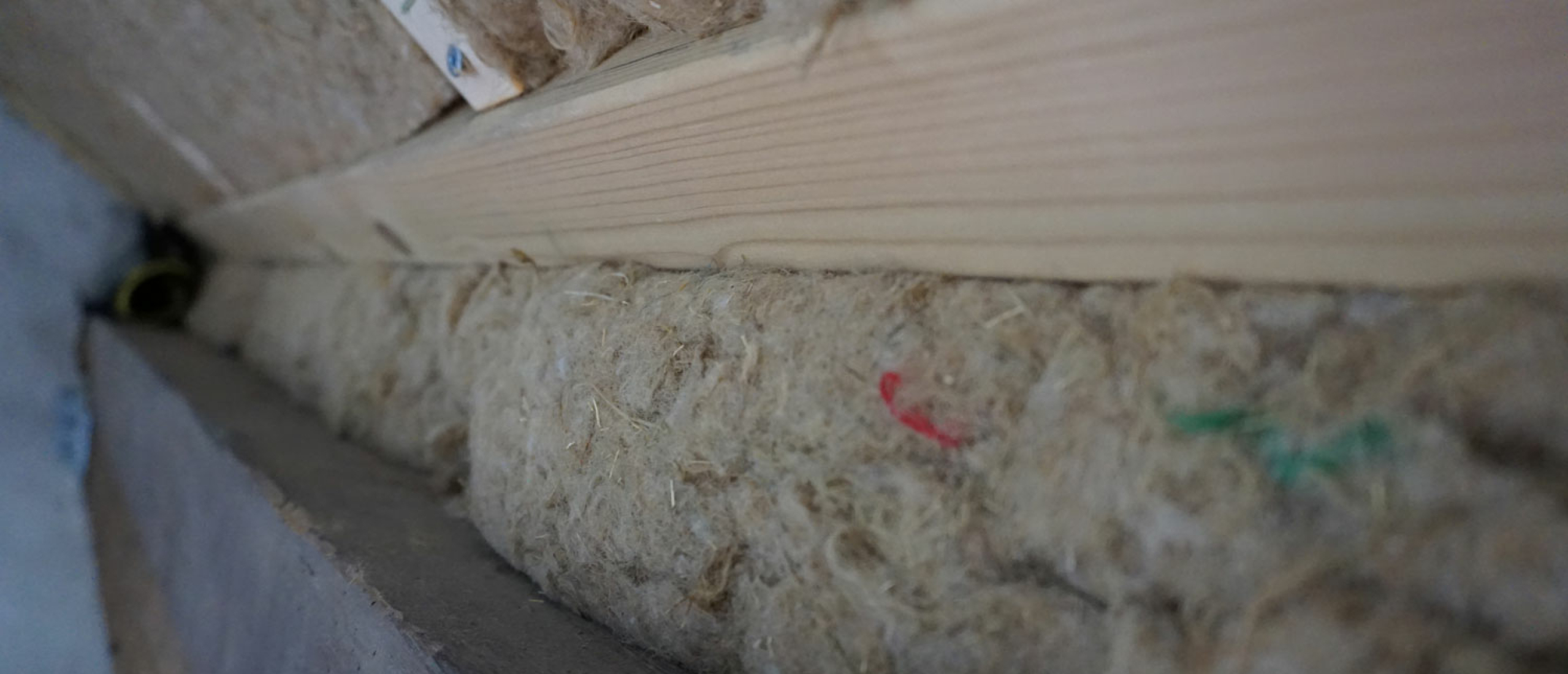
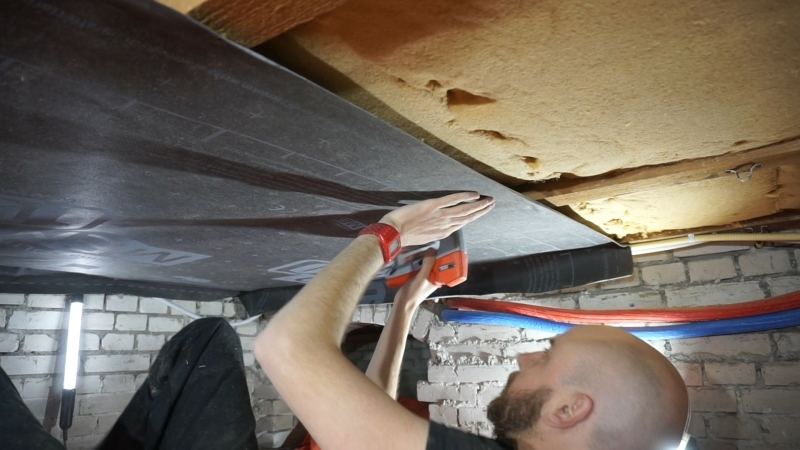
is a good choice here, but blown-in insulation such as cellulose or straw are also good options. Don't forget to apply a windproof membrane to the underside of the insulation material to prevent wind and moisture from the crawl space from entering your insulation. With a vapour-permeable membrane
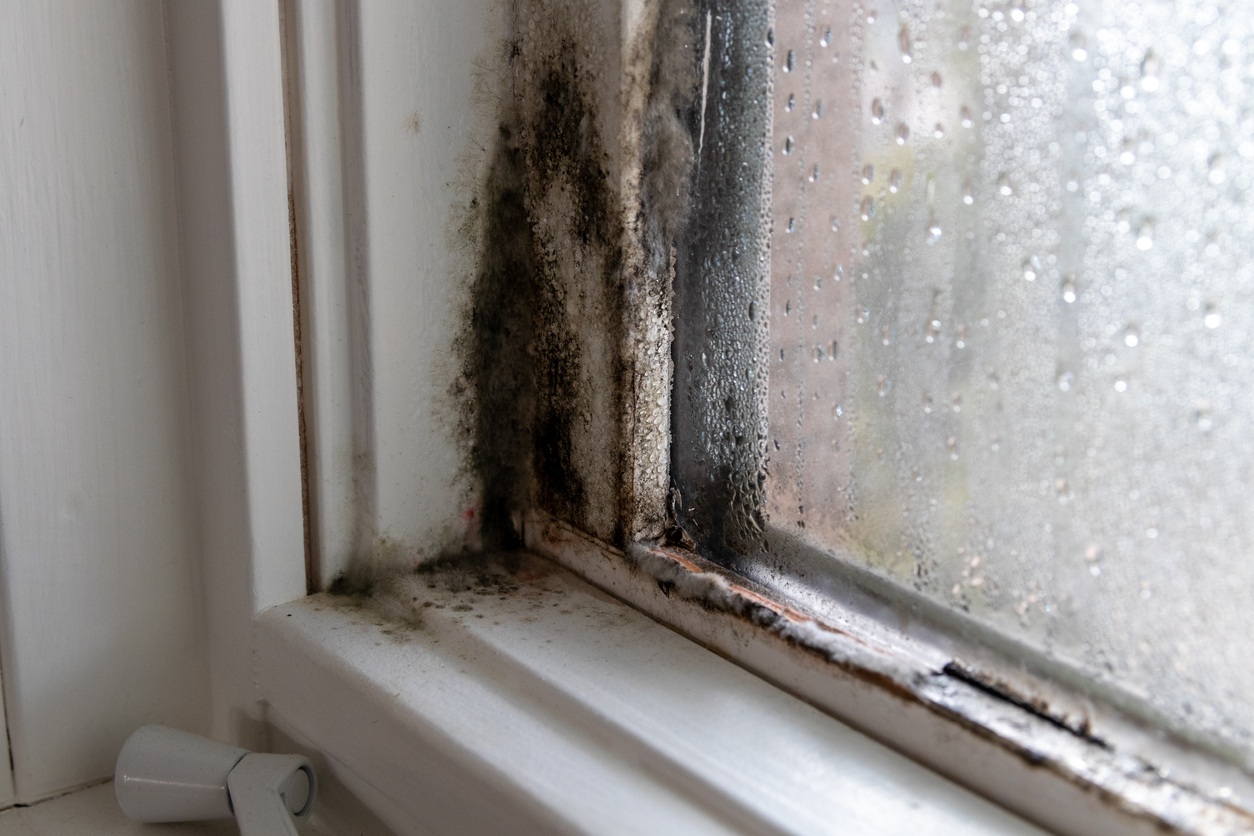
Vapour-permeable membrane: what is it? A vapour-permeable membrane allows moisture to escape from the construction. This prevents condensation and thus mould in your construction and insulation materials. This membrane is often wind and.., moisture can escape from the house and the insulation material into the crawl space.
What is the best insulation material for a pitched roof?
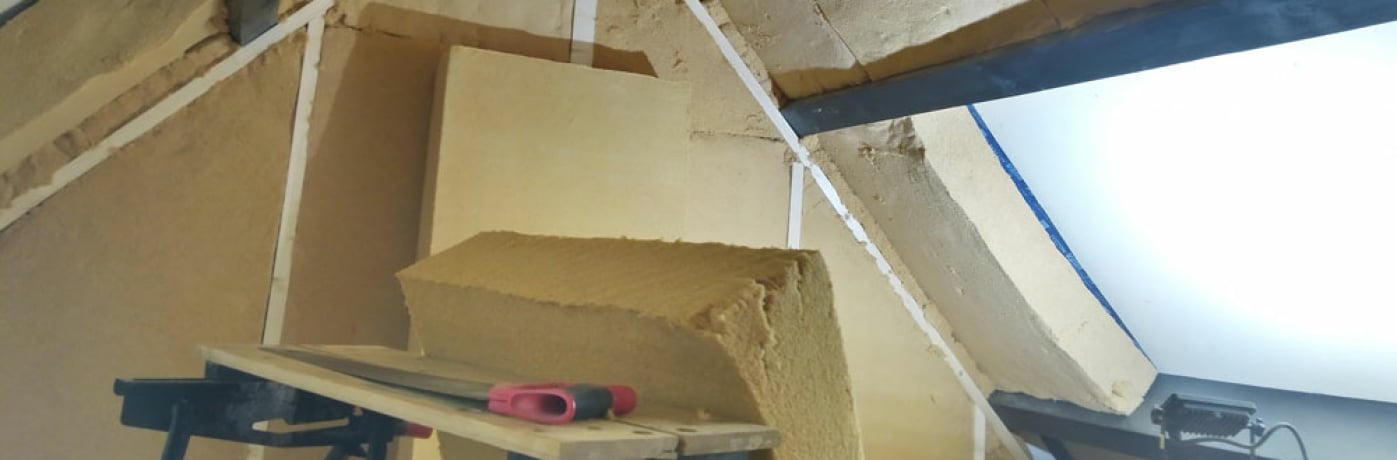
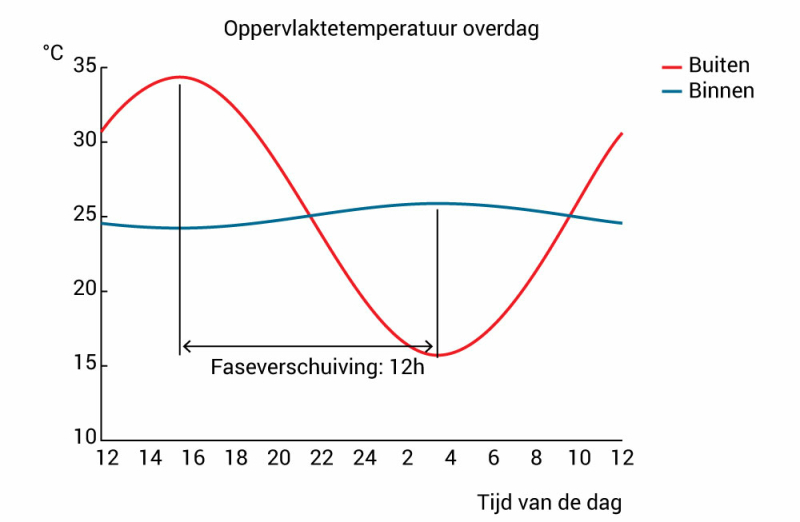
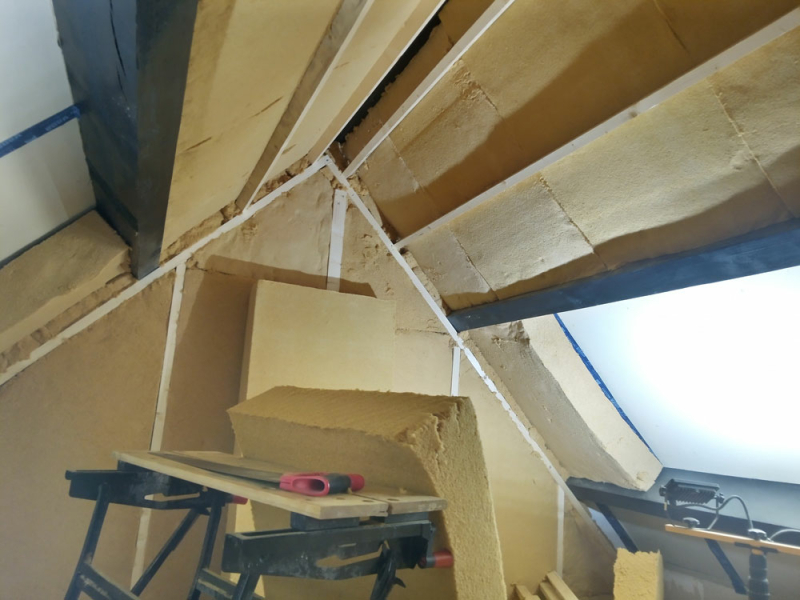
Most heat is lost through the roof, and in most houses, most heat enters through the roof in summer. Therefore, for roof insulation, it is best to choose ecological insulation materials with a high phase shift that are suitable in terms of weight for use in a roof, such as wood wool, cellulose, and straw.
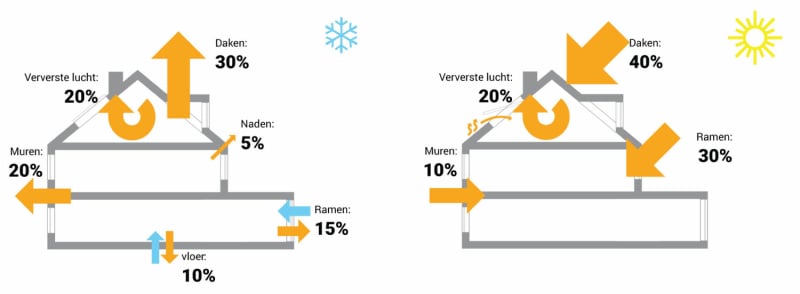
With a thickness of 14 cm, these insulation materials, together with wooden roof boarding and ceramic roof tiles, provide a phase shift

of >7.5 hours, and straw even >8.5. If you finish this with wood fibre board
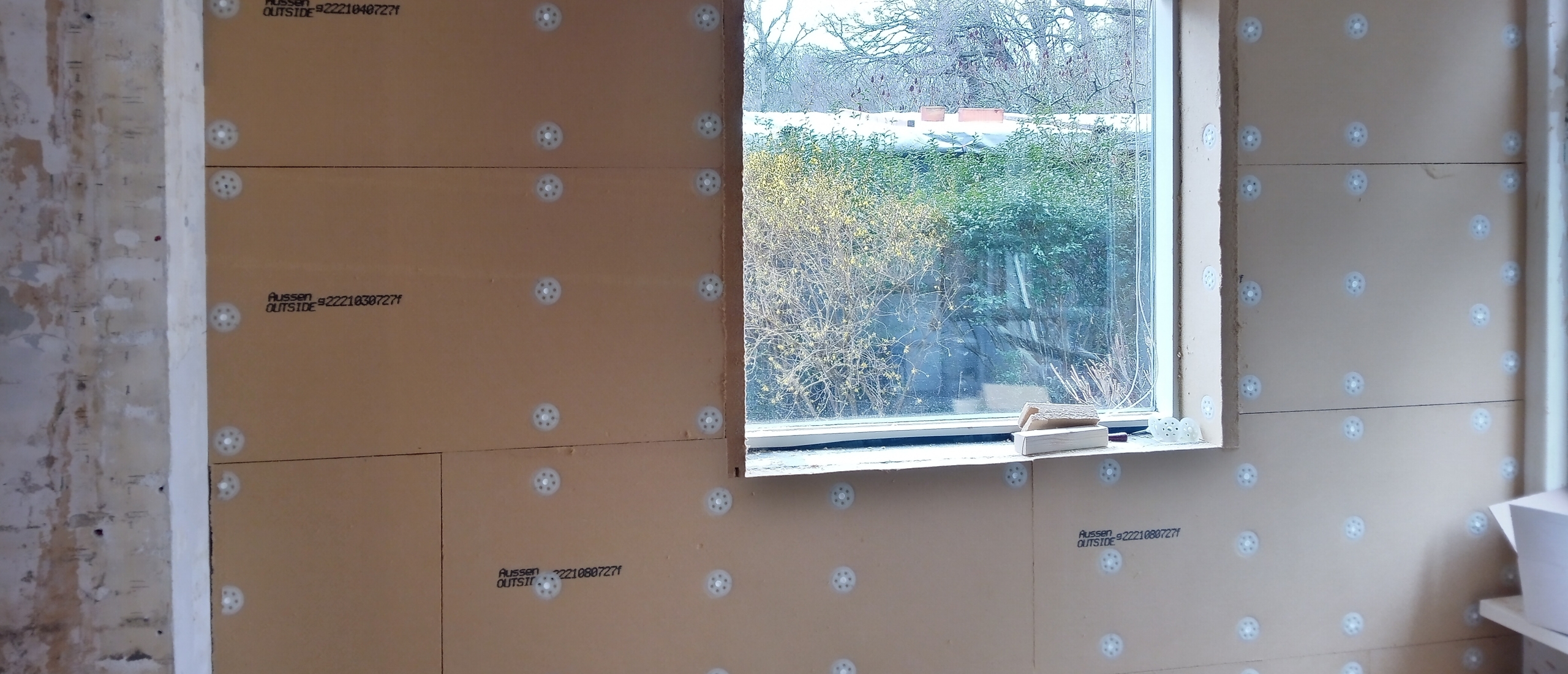
Wood fibre board is a sturdy ecological insulation material that insulates well in both winter and summer. Wood fibre board is vapour open and has a moisture-regulating effect. It absorbs moisture and then releases it.. and clay plaster on the inside: then the phase shift increases to >10 hours. Wood wool and cellulose insulation
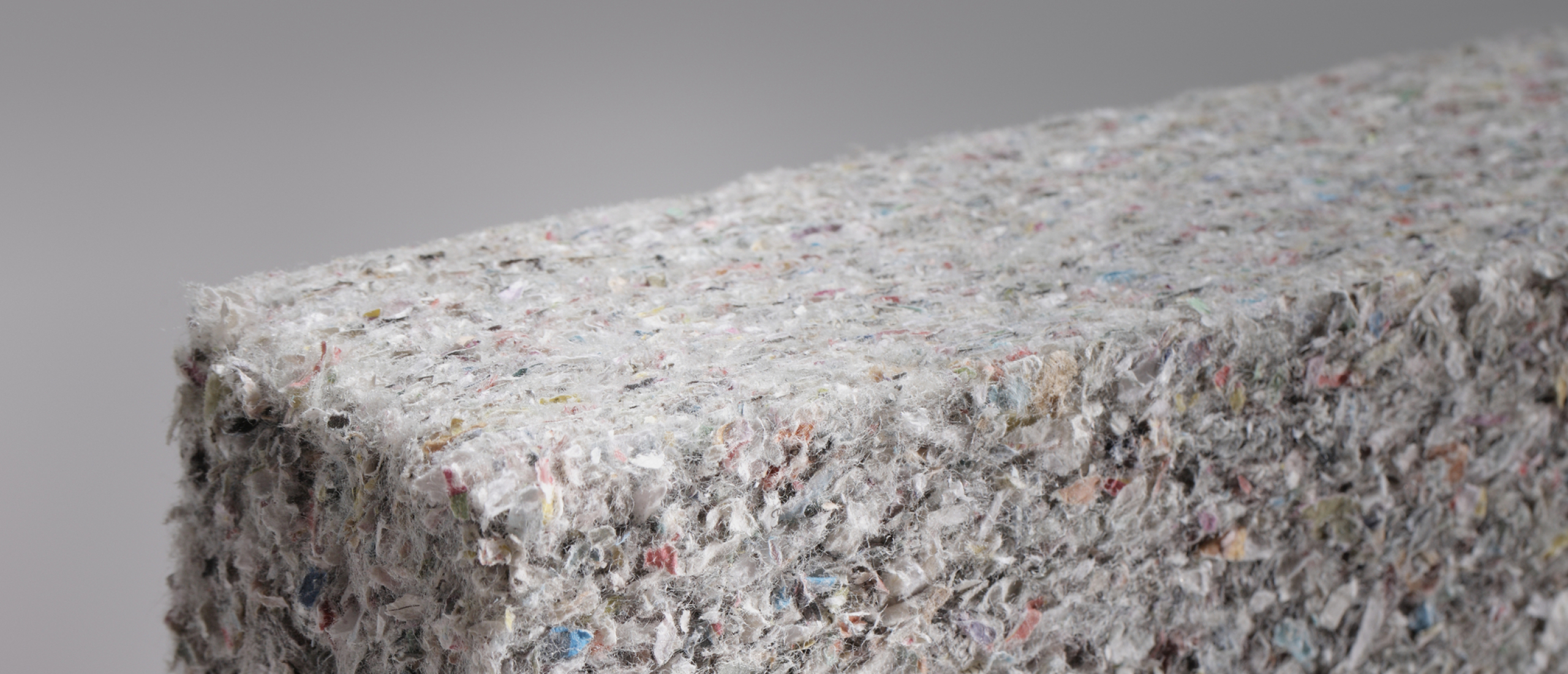
Do you need insulation in your home and are you looking for more information about a more traditional material such as cellulose? Cellulose insulation is the oldest form of home insulation and is still used in homes.. also have the best insulation value for winter.
What is the best insulation material for walls?
Various types of ecological insulation materials can be used for facades and walls: from rigid wood fibre boards to blown-in constructions with straw. However, when insulating existing buildings internally, it is recommended to ensure that no condensation forms on cold surfaces. Always check your construction in Ubakus.com or have it checked by Pro Clima. Email your intended construction design and questions in English to technik@proclima.de
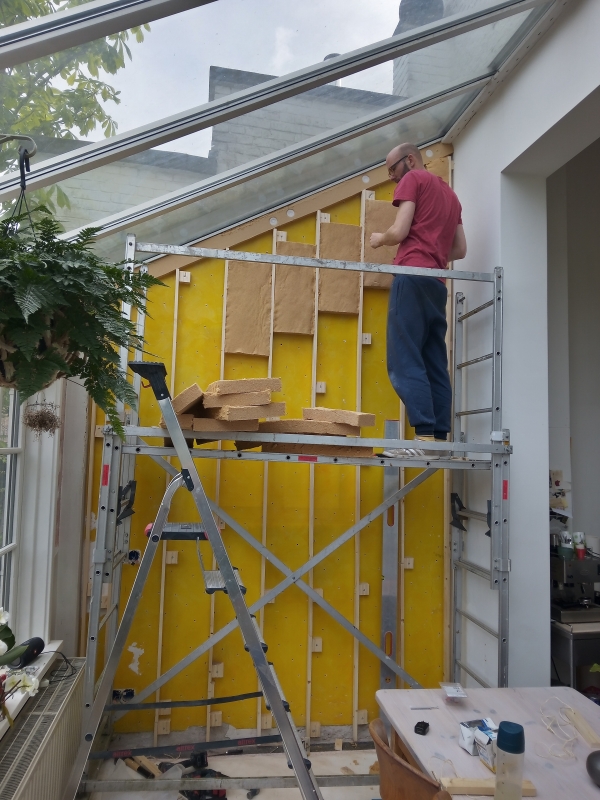
What is the best insulation material for damp walls?
Walls in old buildings sometimes tend to remain somewhat damp even after problems with moisture ingress have been addressed. Hempcrete is often used here because it forms a structurally coherent whole with the existing walls, allowing the building materials to jointly expel moisture from the structure to the outside and preventing the risk of condensation between the materials. Wet areas require attention and possibly synthetic insulation materials.
What is the best insulation material for floors?
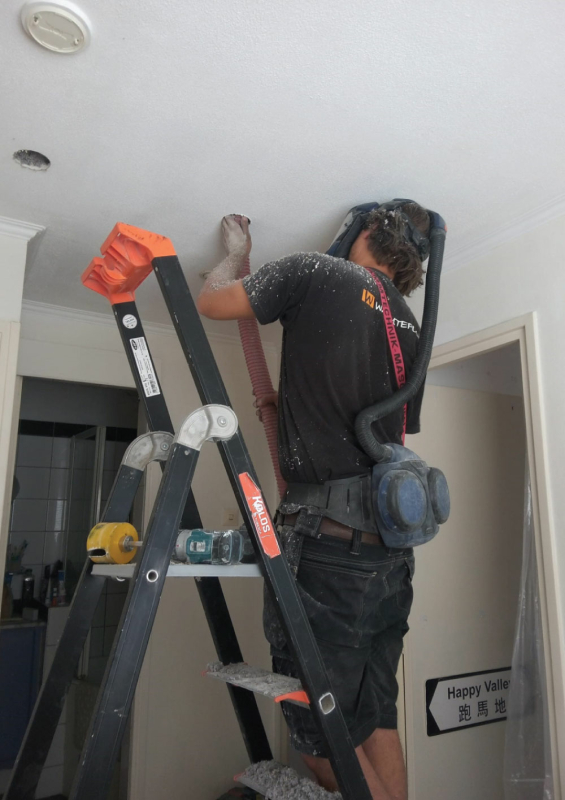
Wooden intermediate floors can be easily insulated from below between the floor joists. If you want to retain the existing finish of plasterwork on gypsum or reed, for example, you can also apply blown-in insulation such as cellulose or wood wool. Ideally, you do this from above so that you don't have to drill holes in your plasterwork to blow in the insulation material.
What is the best sound insulation material?
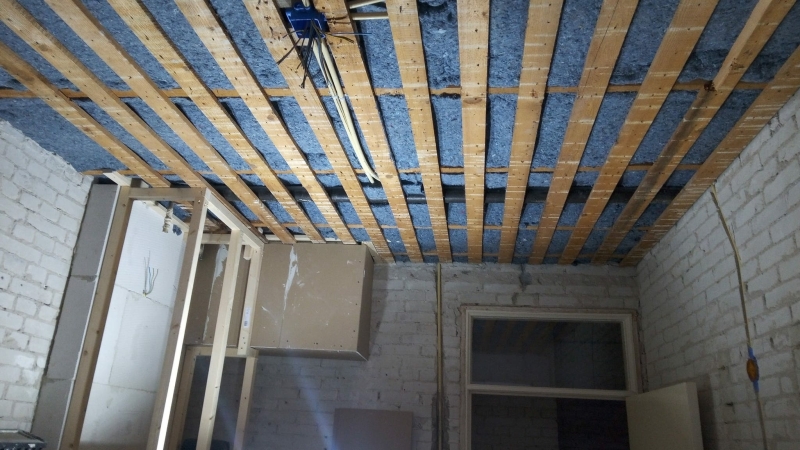
That is Metisse insulation, or cotton insulation material. This type of insulation material is made from recycled denim. You can debate the 'natural' aspect of this insulation material. It is often offered in the 'natural insulation materials' range. In any case, it is a circular insulation material. It consists of cotton from old clothing that can no longer be reused. Besides having a good insulation value, it also appears to have good acoustic properties and can therefore be used as an acoustic damping material. With this insulation material, you can absorb as much as 95% of the sound, thereby preventing reverberation.
What is the best cavity wall insulation material?
The ecological range of cavity wall insulation is somewhat limited. This is because a cavity wall is intended to drain moisture from the house. It can therefore be quite damp in the cavity wall, which not all ecological materials can withstand equally well. Nevertheless, we do not recommend filling it with plastic pellets or other forms of synthetic cavity wall insulation. This drastically changes the building physics of your walls, preventing moisture from escaping through your walls. Should you still want cavity wall insulation, we recommend Biofoam beads based on lactic acid or Knauf Supafil, made from recycled glass wool.
What is the best insulation material for an attic?
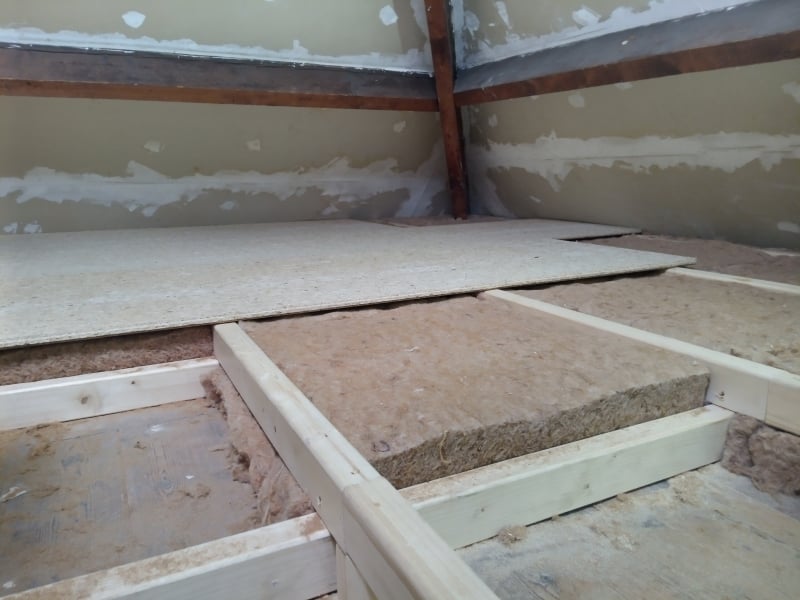
If you use the attic or loft for storage, it pays not to insulate the pitched roof but the loft/attic floor. This method costs less money because you have less surface area to insulate.
The loft itself already provides some buffering against heat and cold, so you have less heat to keep out in the summer. Ecological insulation material with a lower phase shift, such as flax insulation, is sufficient here. However, ensure that the floor is insulated airtightly and also make the loft hatch and stairwell airtight and draught-free.