Natural insulation materials or ecological insulation materials
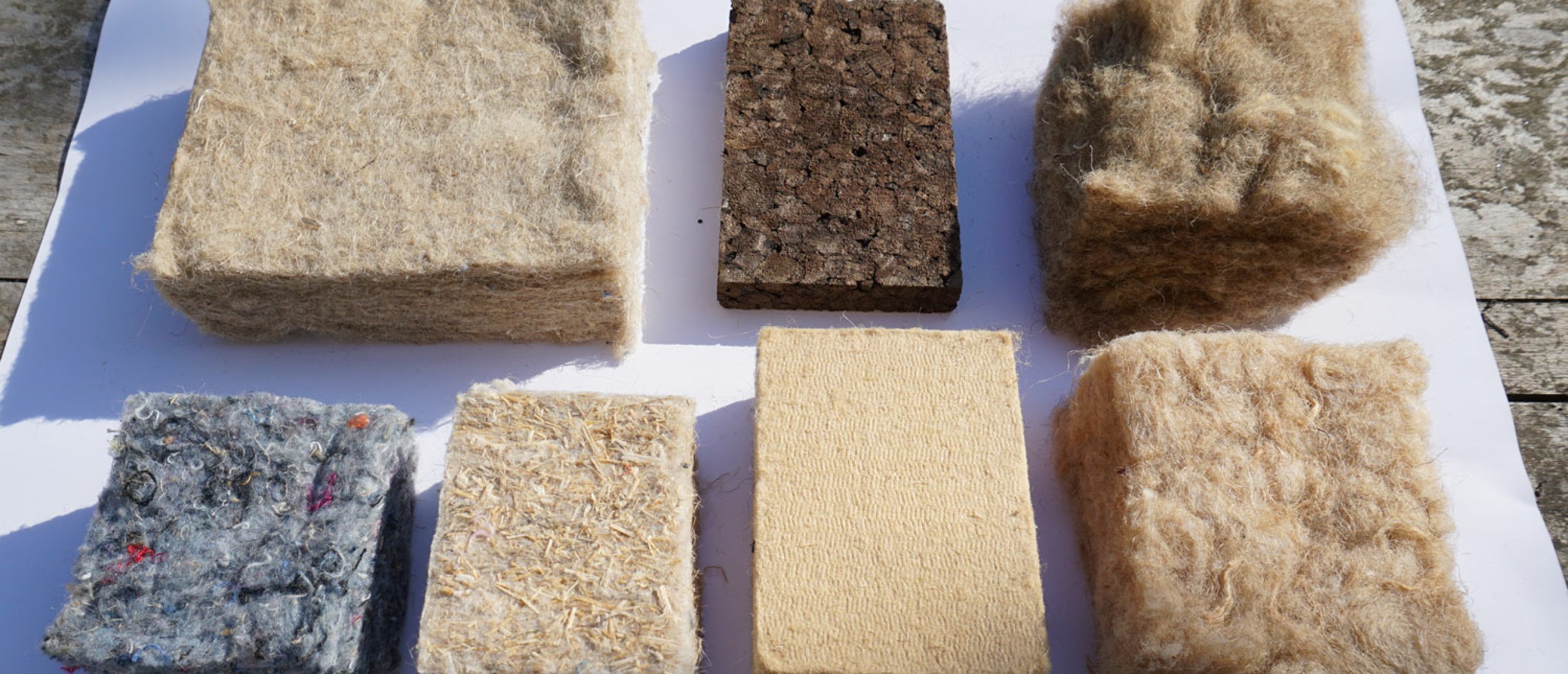
have a positive impact on nature, people and the environment. They are made from renewable and cultivable raw materials, thus enabling the full closure of raw material cycles. The insulation materials are compostable, recyclable or suitable for reuse. There is also CO2 storage in the plant materials because -the plants- as raw material absorb CO2 from the air. Natural insulation materials are made from, for example, flax, hemp, wood, sheep's wool, cellulose, cork and straw. They almost always have a plant-based origin, with the exception of wool.
Ancient tradition of ecological insulation
Ecological insulation is not new, but has an ancient tradition. In the past, homes were already insulated with materials such as sods, turf, peat, algae, seagrass, straw and reeds. Insulation was done with virtually everything that was readily available in the immediate vicinity.
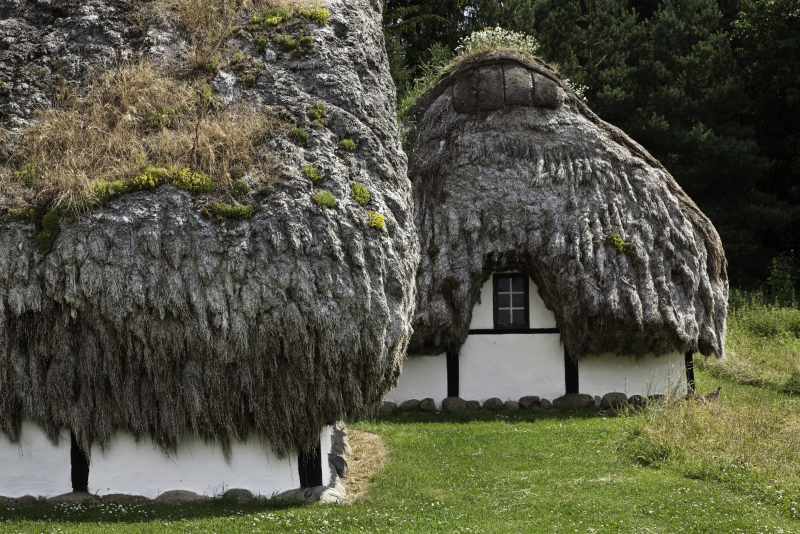
_House with a seaweed roof, which also serves as insulation, on the Danish island of Læsø. Image: Carsten Brandt_
Industrialisation and the major housing construction assignments after the Second World War meant that glass wool and rock wool slowly became the most common insulation materials in the Netherlands and worldwide.
Why ecological insulation is better for you!
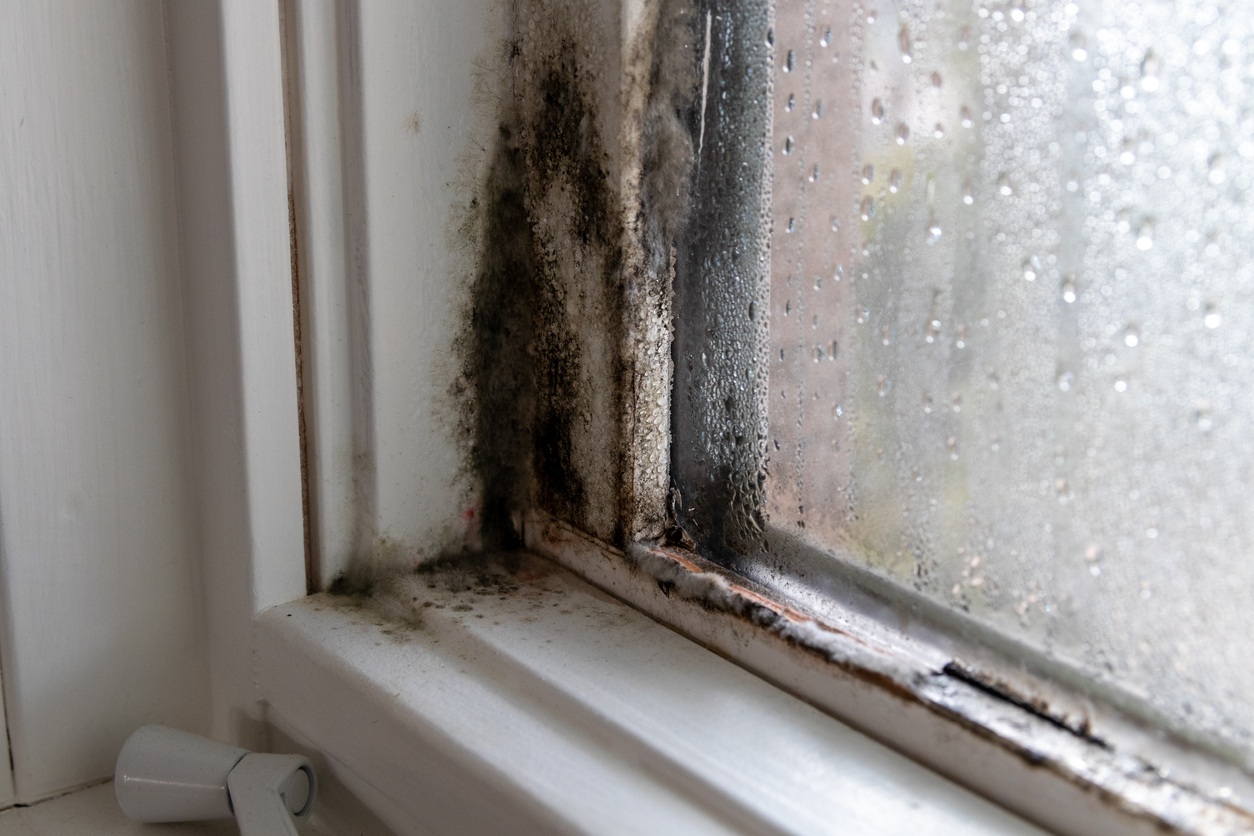
To ensure energy efficiency, insulation must be installed. However, conventional insulation often leaves much to be desired. In many cases, a proverbial plastic bag is placed over the house, stimulated by, among other things, lower purchase costs of mineral and synthetic insulation materials. This is because insulation materials such as PIR and PUR do not cope well with moisture. Many companies in the construction sector still pay little attention to extra costs resulting from a poor indoor climate due to ‘vapour-tight’ construction, for example, because the benefits of this accrue to a different party. The resulting costs for health problems and additional ventilation requirements are therefore all too often disregarded when choosing materials and types of insulation.
Natural insulation materials can be applied 'vapour-open'. If you also choose an ecological solution for the finishing, such as clay, then moisture will also be buffered.