When you consider insulating your home, you quickly face an important decision: do you choose the cheapest short-term solution, or do you opt for a healthier and more sustainable approach that often yields more in the long run?
At Isoleerbewust, we believe that transparency is the foundation of trust. That's why on this page, you won't find vague promises, but a complete explanation of the actual costs of ecological insulation – including price examples, subsidies, hidden costs, and everything in between.
Calculate your price indication
We have created a short explainer video: “What does ecological insulation REALLY cost?” In it, we explain the main price drivers and how to make the right choice.
What Drives Up the Price?
The cost of biobased insulation heavily depends on your home's situation. In many cases, the project is custom work. These are the main factors that can increase the price:
Complex shapes or small surfaces: The more corners, slanted lines, or small areas, the more cutting waste and labor hours are needed. A straight attic floor is faster and cheaper to insulate than a roof full of dormer windows.
Extra thick insulation layers: Many homeowners today choose higher insulation values (Rc-value 5, 6, or even 7). This means more material and thus higher costs.
Hard-to-reach places: A crawl space with limited headroom or a steep roof without easy access requires more time and sometimes extra tools.
Safety provisions: Roof insulation often requires scaffolding. This is an additional cost element that depends on the height and duration of the work.
Luxury finishes: When you choose a visible finish with clay plaster, wood fiber panels, or other aesthetic materials, the price increases.
In short: the more custom work and the higher the finishing standard, the higher the costs will be.
What Drives Down the Price?
Fortunately, there are also plenty of factors that actually reduce the price.
Large, straight surfaces: An 80 m² attic floor is relatively cheaper per m² than a small 10 m² room. This makes labor and material transport more efficient.
Standard thicknesses: Biobased insulation boards and rolls are often cheaper in standard thicknesses (e.g., 12 or 14 cm).
Economies of scale: When you insulate multiple parts of your home at once (floor + roof), you generally pay less per component.
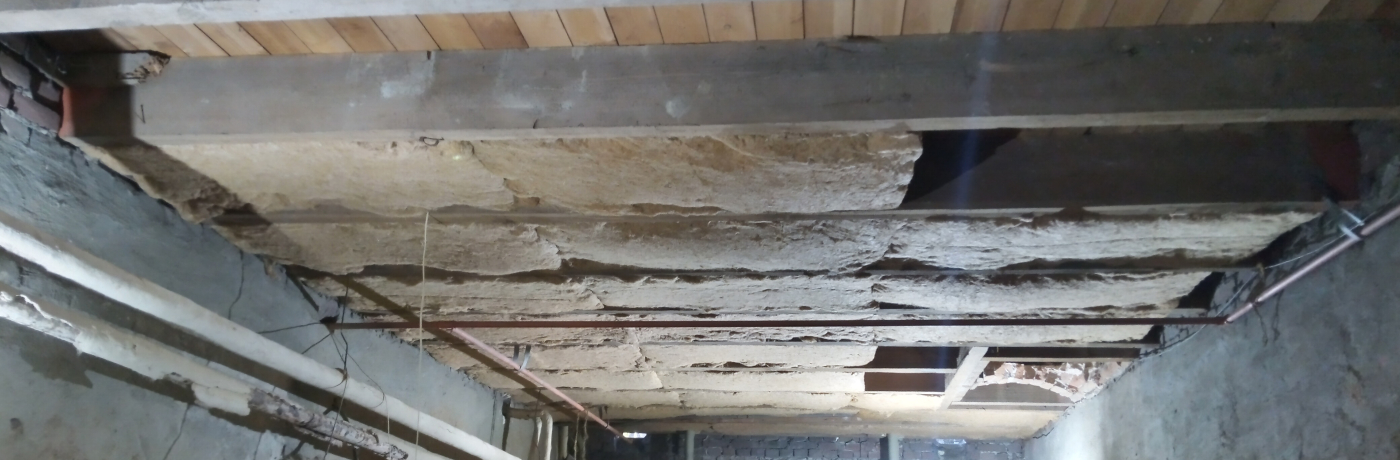
Self-preparation: Customers who remove old floor coverings or existing insulation themselves save on labor hours.
Utilizing subsidies: Thanks to schemes like the ISDE subsidy, your investment can be up to 30% lower.
Why Are Some Companies More Expensive?
When comparing quotes, you sometimes see significant differences. Companies that are higher in price often do so because they offer more quality, certainty, and service:
Certifications and guarantees: A company that works with certified materials and professionals and is a member of a trade association like VLOK offers more certainty.
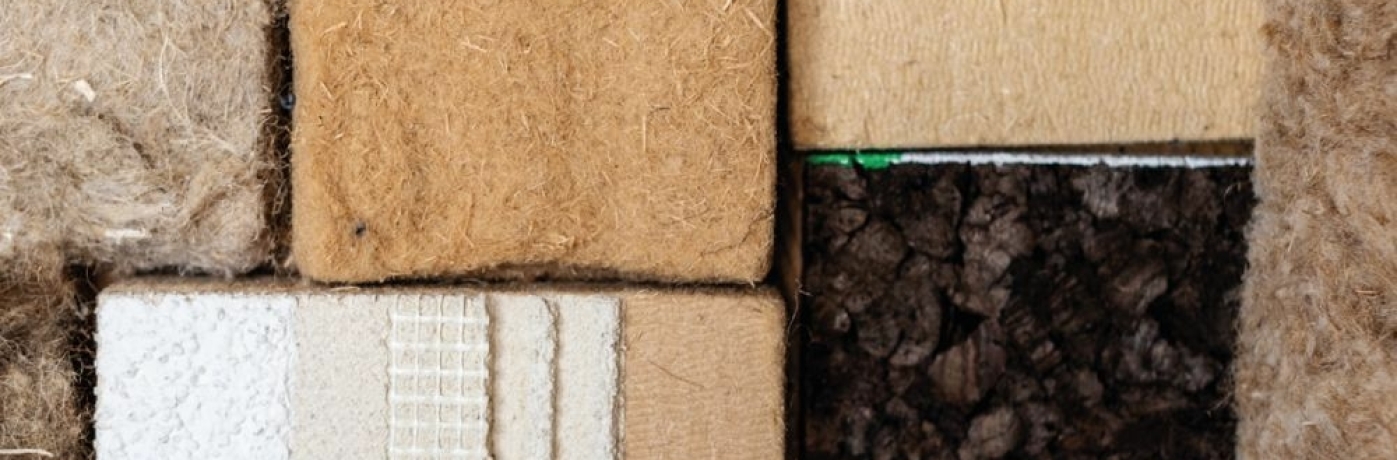
Use of healthy materials: Biobased insulation such as wood fiber, cellulose, cardboard, and straw is more expensive to purchase than, for example, mineral wool.
Better guidance: More expensive providers often assist with subsidy applications and provide extensive advice.
Quality control: Extra attention to airtightness, vapor-open construction, and detailing prevents long-term problems. If the airtightness is good, you will also achieve the insulation value you hope for.
In short: with these parties, you pay not only for the material but also for craftsmanship, service, and peace of mind.
Why Are Some Companies Cheaper?
Cheaper companies also exist, of course, but pay close attention to what is included in the price – and what is not.
Use of mineral insulation: Materials like glass wool are cheaper but less ecological.
Lower wages or less experience: Cheaper labor may seem attractive but sometimes leads to errors or a shorter lifespan.
Less effective airtightness: After installation, you can only hope that you will achieve the insulation value you applied for. "Darling, I feel cold and drafts… but we insulated, right?"
Less attention to health: Not every provider considers vapor-open construction or preventing mold growth.
A lower price is therefore not always the best choice – especially when considering long-term comfort and health.
What Is Our Price Range?
We believe in clarity. Therefore, here are the average prices per m² for biobased insulation:
Floor insulation: €50 – €70 per m²
Roof insulation: €75 – €150 per m²
Facade insulation: €75 – €120 per m²
Most Isoleerbewust customers spend between €4,500 and €12,000 for a partial project such as roof insulation, floor insulation, and facade insulation, depending on the scale and choices.
Variations and Packages
Because there are different needs, we work with three packages:
Insulation only €
- We install the insulation within an already placed framework. You finish it yourself later.
Insulation + framework €€
You only need to do the finishing yourself.
Completely finished €€€
Framework, insulation, and finishing. You don't have to do anything yourself.
This way, you can immediately see which level best suits your home and wishes.
Lifetime Costs vs. Initial Price
The biggest misconception surrounding ecological insulation is that it would be “expensive.” Yes, the initial purchase is higher. But if you look at the lifespan, it is often different:
Lifespan: Biobased insulation lasts 75+ years without loss of quality. Provided defects such as