Are slippers a must-have in your home due to cold floors?
Little to no insulation under your floor or in the crawl space can make your floor feel icy cold.
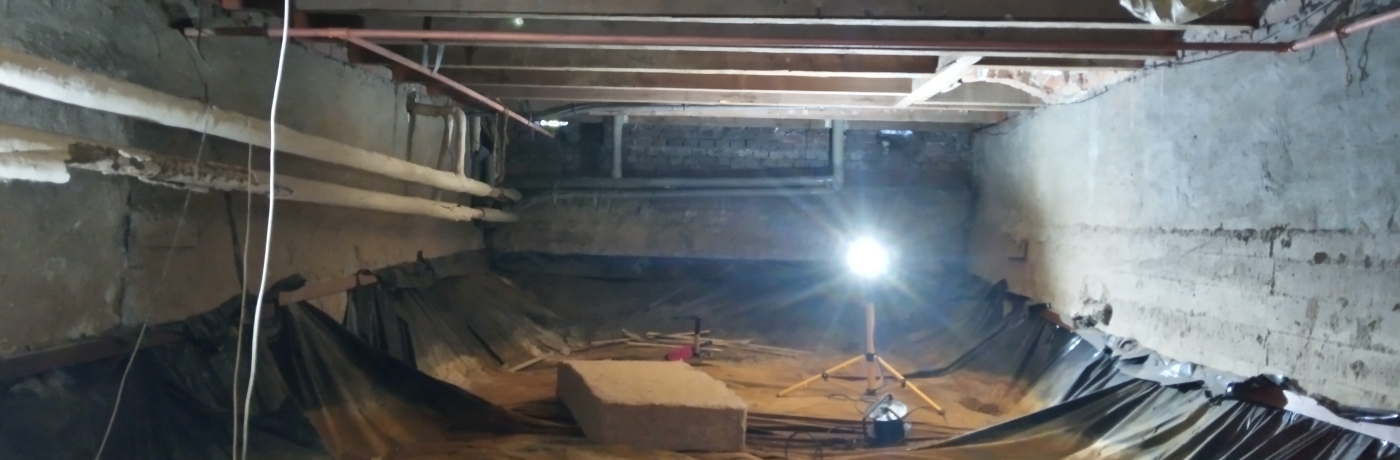
If you want to insulate your crawl space, there are a number of common problems to look out for, such as moisture, cold floors, mould, and wood rot.
In its two years of existence, Climatedeal has only insulated 5 well-ventilated crawl spaces so far. However, we have also encountered crawl spaces with up to 40 centimetres of water or water droplets dripping from the floor.
We will now look at the top 6 crawl space insulation problems and how to tackle them.
Please note: that crawl space insulation is custom work. No two crawl spaces are the same. It is therefore wise to have your crawl space inspected first and receive tailor-made advice. Calculations should also be made to ensure certainty about the chosen solution.
Crawl space insulation problems
 Poorly installed insulation
Insulating a wet crawl space
Water can seep into your crawl space through foundation walls or due to a high groundwater level.
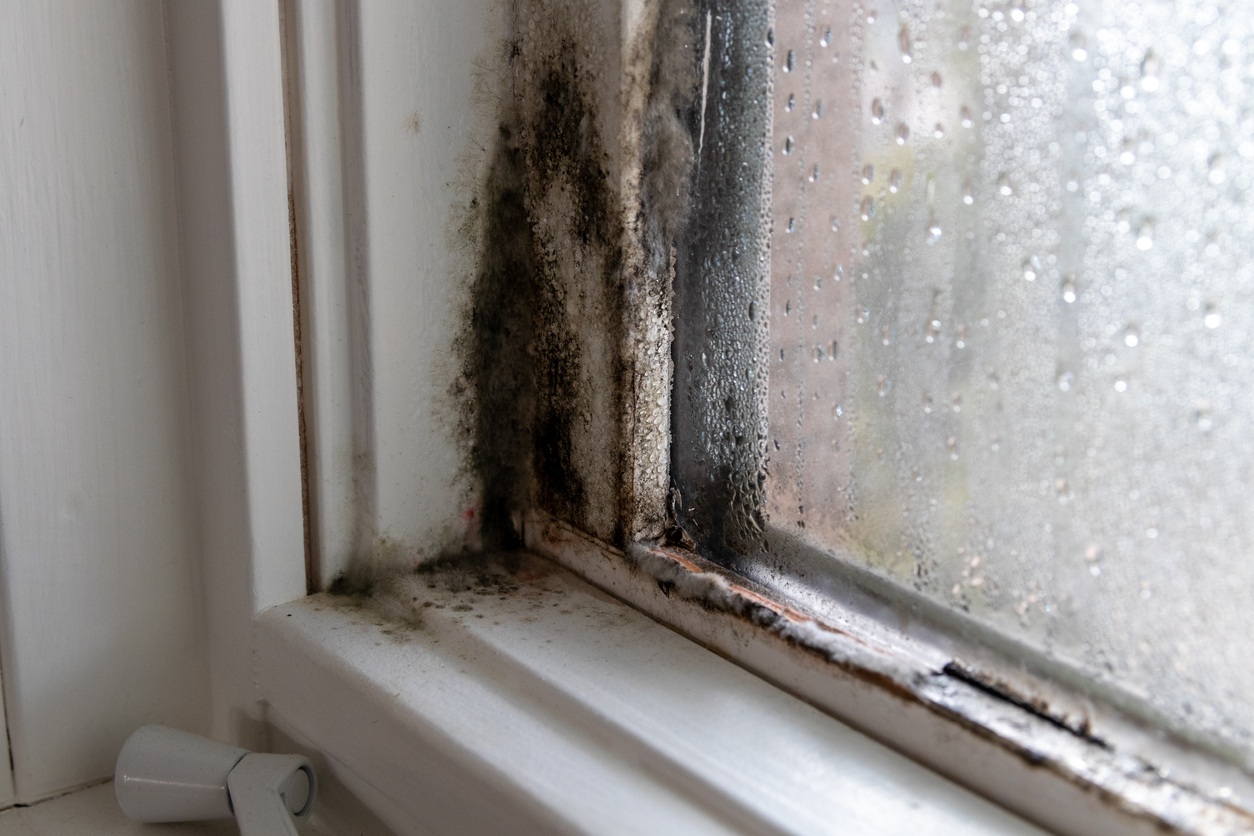
A wet crawl space can lead to the growth of mould, but also other problems such as wood rot. Traditional insulation such as glass wool can act as a breeding ground for mould once it gets wet.
Solution: First, you need to find out where the water is coming from. If there is water in your crawl space, find out if it is affecting your walls and floor. In some cases, a high water level is actually good, otherwise the wooden heads of the foundation piles will rot if they are not submerged. However, damp walls can also cause the heads of floor joists, embedded in the wall, to rot. In that case, you will need to repair, replace, or in the worst case, completely replace the floor. If the water is coming through the foundation walls, it needs to be repaired.
Do you have damp soil? Consider laying a ground membrane as a vapour barrier on the floor to keep it dry. Or choose an ecological variant such as with shells or clay granules.
Using insulation to solve moisture problems in the crawl space
A damp crawl space can be caused by poor ventilation, among other things. This is the case in many crawl spaces. The vapour pressure can then be so high that moisture wants to pass through the crawl space and through the floor. Some homeowners think that spraying PUR foam insulation under the wooden floor will solve the moisture problem because it is waterproof. In reality, this will only mask the problem and lead to bigger problems in the future. For example, your wooden floor and floor joists can start to rot because it cannot release moisture coming from the house or present in the wood itself, e.g., via the walls. What you thought would protect your floor will cause it to rot.
Solution: First, you need to find out where the moisture is coming from. If the moisture is caused by poor ventilation, make sure you clean or install ventilation grilles. Use vapour-permeable insulation so that moisture is not trapped.
Insulating a damp crawl space
Insulation mats can act like a sponge if there is too much moisture in the crawl space.
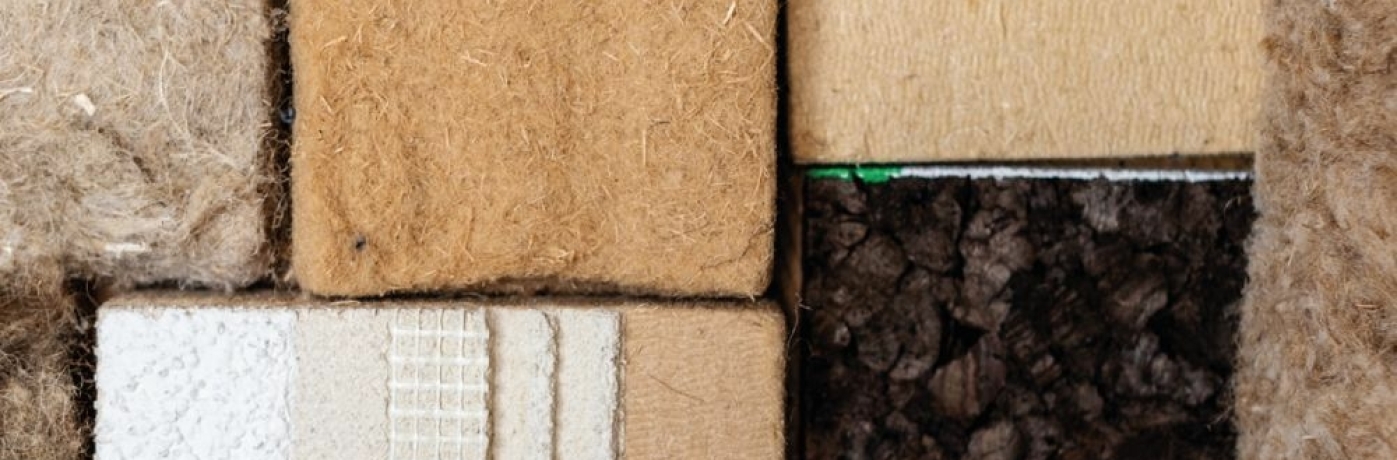
Moisture entering the crawl space is absorbed by insulation materials such as glass wool, wood wool, cellulose, and flax. If glass wool is wet, its insulation value is halved. Moisture also gets the chance to work its way up through the insulation material to the (wooden) floor construction, thus getting the chance to cause mould and rot.
Mould can cause serious health problems in the home.
Solution: The best solution is to ensure your insulation material does not get too wet. Use a vapour-variable membrane on the underside if you are using insulation mats made of, for example, wood fibre insulation, flax, or cellulose. This is a membrane that closes when the moisture load and vapour pressure are high.
Another recommendation, besides running a simulation with your desired build-up on ubakus.com to check for potential moisture problems, is to have a WUFI analysis done if you want to be sure of the right choice. Problems often only arise after years, and you might think you've done it correctly. With WUFI, you can dynamically model 5, 10, 15, 20, etc., years and have much more certainty that your chosen solution will actually work well.
Insulation falling down in the crawl space
Over time, gravity can cause insulation under your floor to fall down, making your floors colder.
If this happens, you essentially have no working insulation under your floor.
Solution: If you have insulation that 'hangs' or clamps between the floor joists, you should check it regularly to ensure it does not sag or fall from the floor. You can also consider a more permanent solution, such as battens screwed to the underside of the wooden joists, adhesive pins, or other sub-constructions.
Still a cold floor even with insulation
You assume your floor is well insulated, but without an air seal, your floors will still be cold. This is because cold air can move through the insulation.
Solution: By adding an air seal with airtight membrane, uncontrolled air movements to your floor are prevented. This keeps your floor warmer in winter and saves on heating costs.
Poorly installed insulation
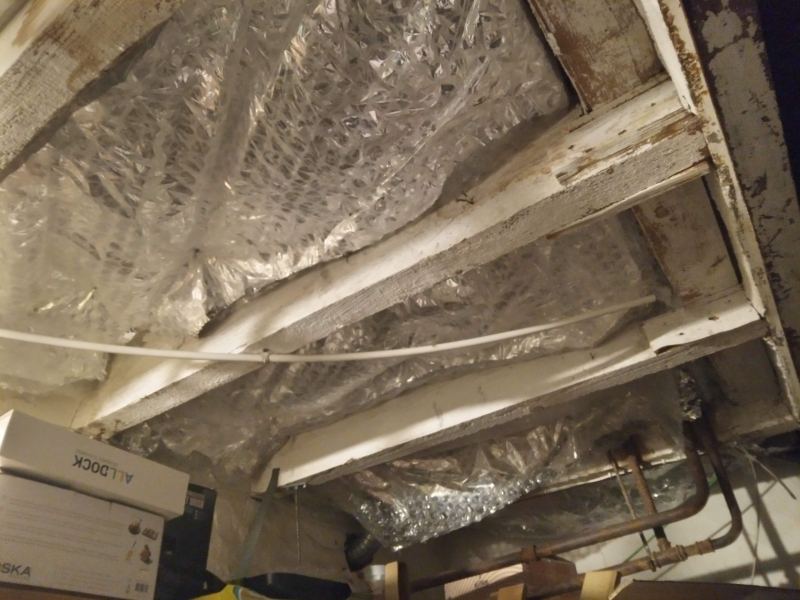
If insulation material has not been applied correctly, you will continue to suffer from problems.
For example, cold air can still reach your floor because it has not been made airtight, or it becomes too damp in the house due to not applying a vapour-retardant or -variable membrane on the underside, or there are large penetrations through your floor that allow cold air to still enter.
Solution: Ask the contractor for references and ensure that the insulation material is applied airtight but not vapour-tight.
Solving your crawl space insulation problems
Understanding how different types of insulation materials work and what is needed for a well-functioning insulation layer can be the answer to your crawl space problems.
Some homeowners have found that replacing their entire wooden floor with foam concrete is a better long-term solution to their problems. However, this is not always possible. Sometimes, it is also a good solution to remove old, poorly performing insulation and replace it with breathable ecological insulation with a vapour-retardant membrane.

_This blog_
_was created in collaboration with the_ _Gideon's Materialentribe_ _members_ _Ralf van Tongeren_ (biobased architect) _and_ _Carla Rongen_(building biologist).