You want to save on your gas consumption and are researching whether biobased insulation is suitable for you. But where do you start? What kind of biobased

insulation is suitable for your needs and home? What will it cost and what will it yield?
It's understandable that you have many questions. That's why we have gathered all the important information about biobased insulation for you. Including links to in-depth blogs where you can read more about a specific topic. This way, after reading this article, you will know what options are available to you.
Isoleerbewust and affiliated insulation companies are committed to sustainable and environmentally friendly insulation. That's why we all use biobased insulation where possible, and synthetic and mineral insulation only when absolutely necessary.
What is biobased insulation and what makes it different?
More and more people are asking for biobased insulation in their homes. Biobased
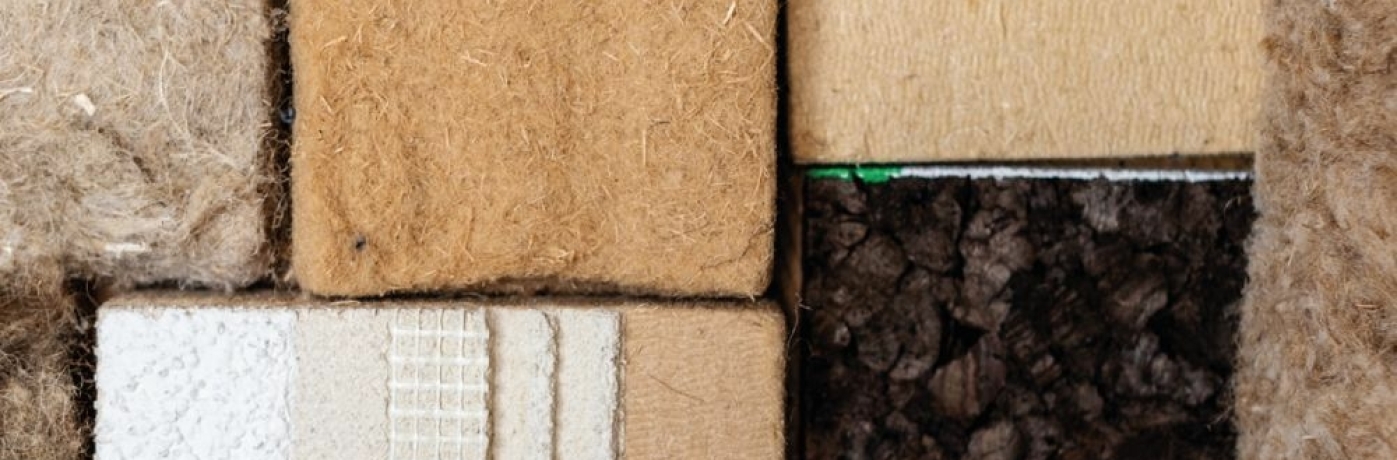
insulation materials are natural insulation materials used to protect your home from icy cold and scorching summer heat. These materials come from renewable sources, such as plant fibers (wood fiber, cellulose, straw) or animal fibers (sheep wool). It can be applied as insulation mats, semi-rigid insulation boards, pre-fabricated elements, or blown-in fibers.
With biobased blown-in insulation, you get an insulated home 3 to 5 times faster than with mats. The material and labor costs for blowing in 14 centimeters of insulation are around €20 per m2. For comparison: installing glass wool mats costs around €40 per m2. Biobased insulation can therefore be a very cost-effective way to insulate your home.
A major difference from mineral and synthetic insulation materials is that biobased insulation materials store CO2 during production, as they grow as plants. Unlike glass wool, rock wool, PIR, and EPS, they can also store and transport moisture. This contributes to a healthier and more comfortable indoor climate. In addition, biobased insulation keeps heat out up to 3 times longer compared to mineral and synthetic insulation materials. And it doesn't itch during processing or contain harmful substances. However, it does have a lower Rd-value
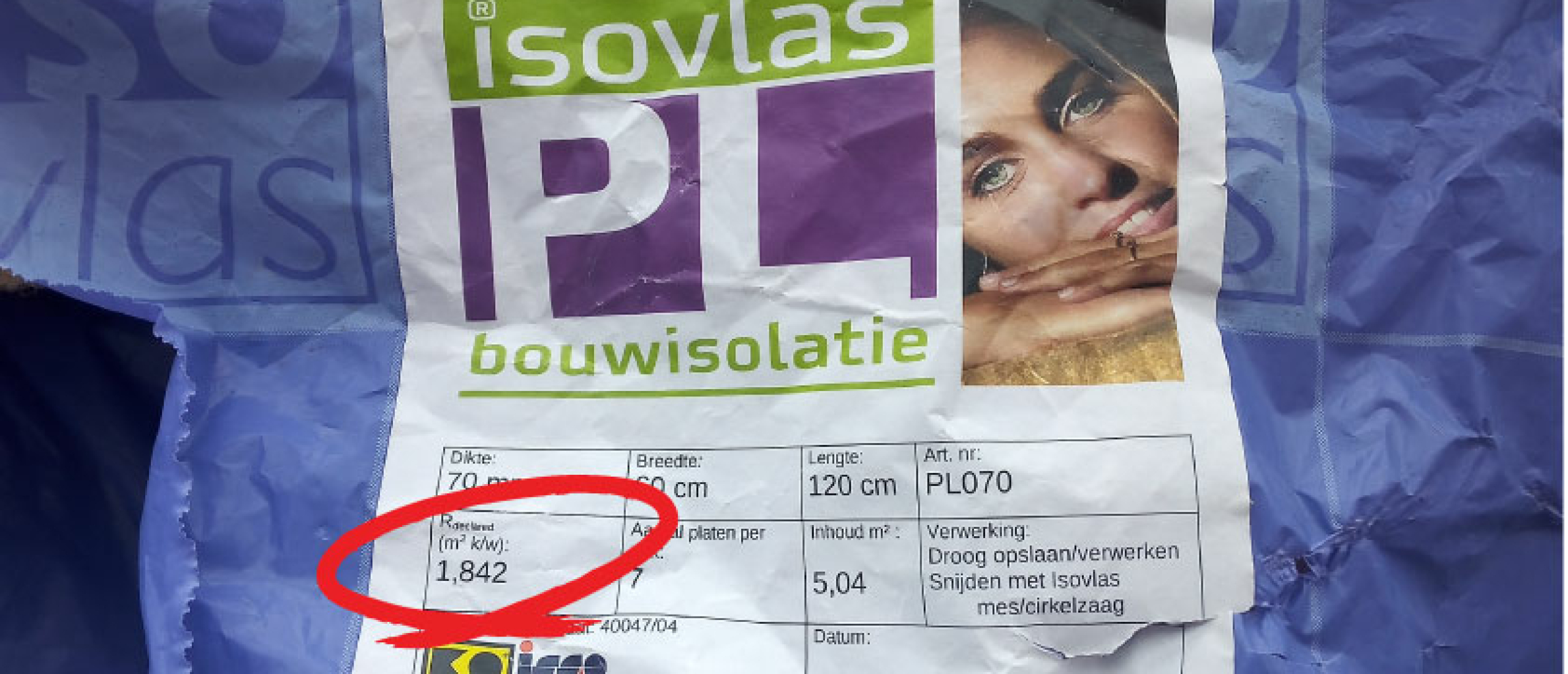
than, for example, PIR. But it is comparable to glass and rock wool.
What are the different types of biobased insulation?
_Wood fiber, cellulose, straw, hemp, flax, cork, grass, sheep wool._
There are various types of biobased insulation materials, including wood fiber insulation, cellulose insulation
, straw, hemp insulation, flax insulation
What is flax insulation? Flax insulation is a byproduct of the linen industry. Companies like Isovlas produce this type of insulation material. Flax insulation is one of the most well-known natural... and cork. Wood fiber insulation mats are the most commonly sold. Biobased blown-in insulation, such as cellulose and wood fibers, can be installed faster, but not everyone can do it. This is mainly due to the expensive blowing machine required.
In addition to the aforementioned insulation materials, there is also straw insulation. This can be grown locally and blown in, but it is slightly slower than wood fiber and cellulose. Hemp and flax are mainly found in mat form or as pre-fabricated elements.
What are the raw materials?
Wood fiber insulation: is made from residual streams from sawmills. This is mostly produced in Southern Germany, Poland, and Scandinavia. The wood comes from sustainably managed forests.
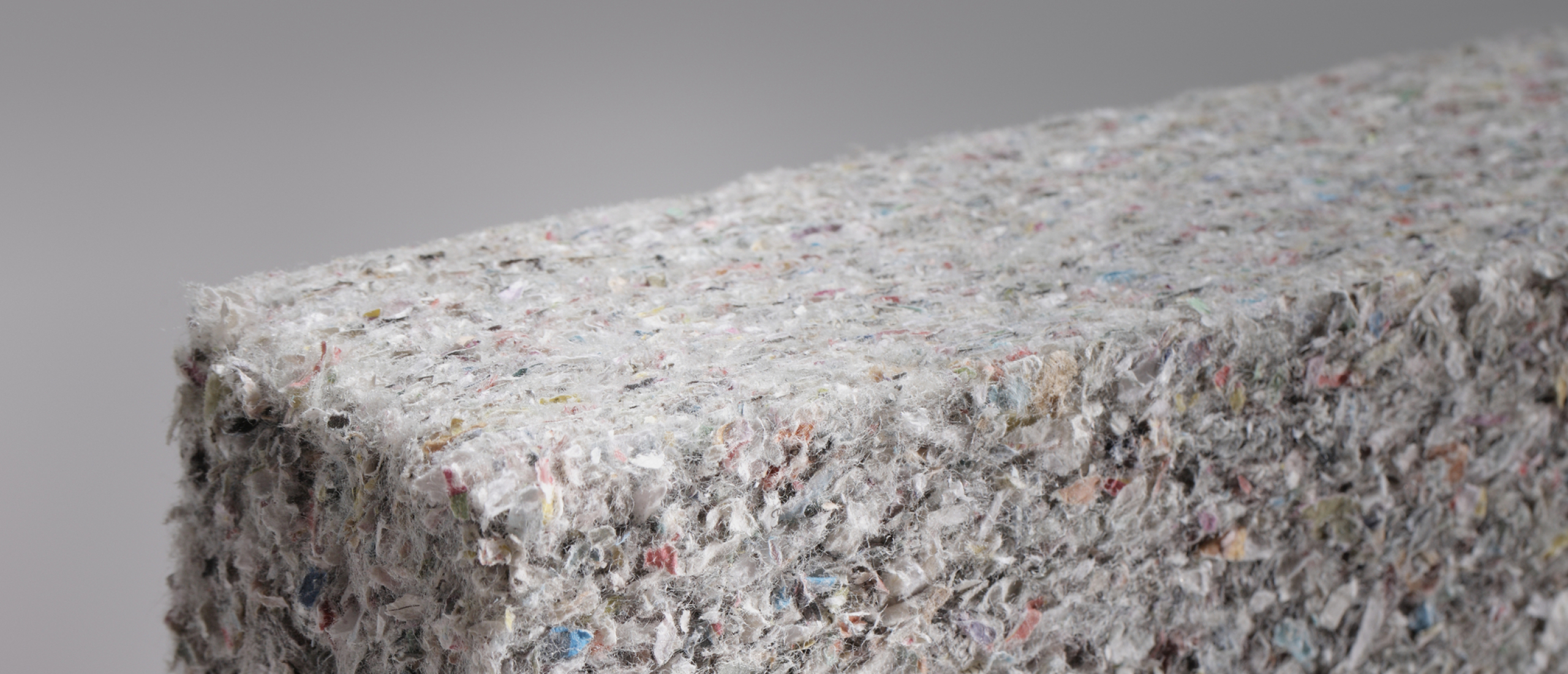
Cellulose insulation: is made from recycled paper and cardboard. If paper can only be used to make toilet paper, it can also be used to make insulation. Cardboard as a source is also being investigated because fewer newspapers are being read, but more packages are being ordered, packaged in cardboard.
Straw: is one of the most environmentally friendly options because it can be harvested locally, has no additives, and is blown in as finely chopped and dust-free stalks. Straw has a good phase shift and thus keeps heat out for a very long time in the summer.
Hemp insulation: is a fast-growing plant that absorbs even more CO2 than forests, and can grow up to 3 meters tall within 4 months. It requires little water and pesticides. In the past, the Dutch delta was full of fiber hemp for the ropes and sails of VOC ships.
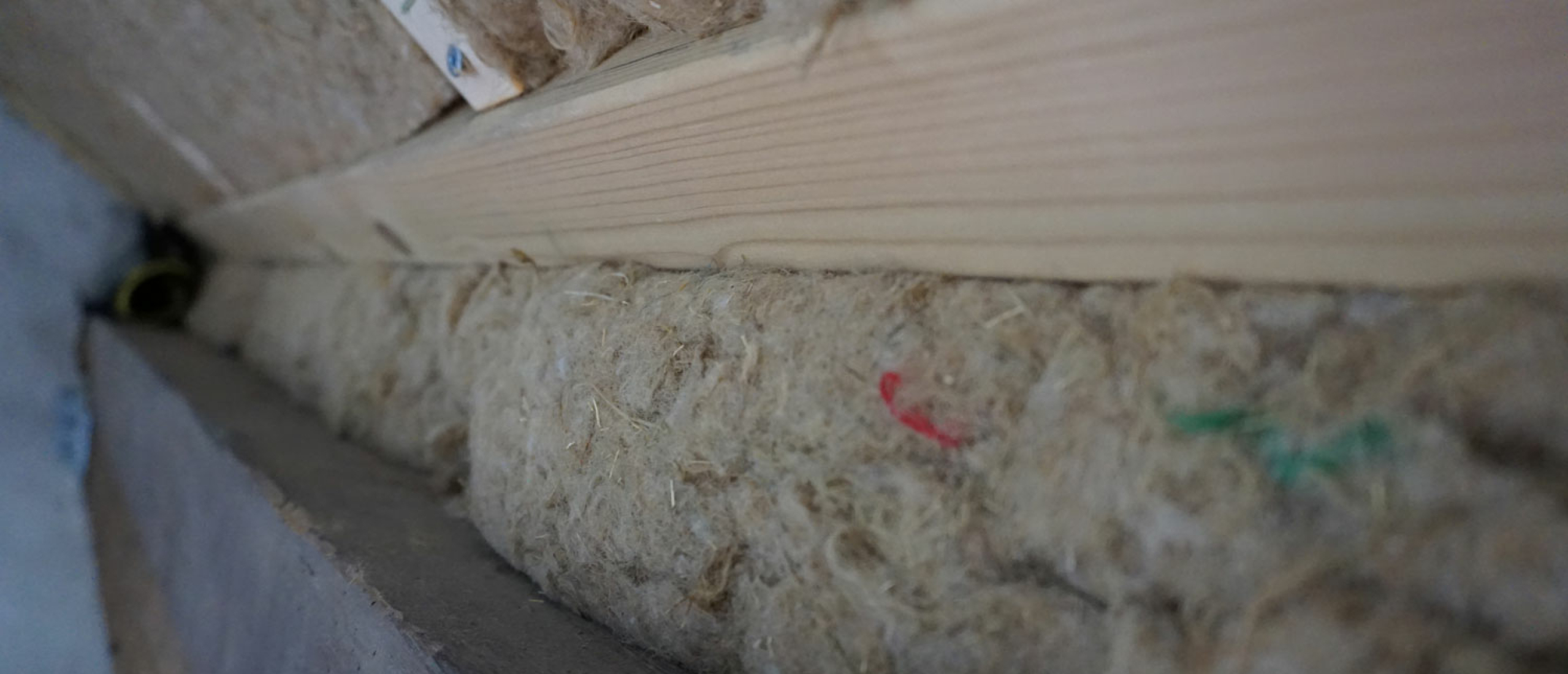
Flax insulation: is made from the stalks of the flax plant. In the past, flax grew in the fields in Zeeuws-Vlaanderen. Nowadays, flax insulation is produced in Eastern Europe and is a residual product from the linen industry. Sometimes you can still find a clothing label in the insulation mats.
Cork insulation: is made from material extracted from the bark of the cork oak. These mostly grow in Southern Europe and are slow-growing trees.
Mat, blown-in, pre-fabricated, or semi-rigid board
Besides different types of biobased insulation mats, you can also distinguish by form between mats (bound together), blown-in (loose fibers), pre-fabricated (assembled), and semi-rigid boards (compressed).
Insulation mats are made in a factory with the addition of chemical binders. Mats are the most commonly used and known to everyone.
Blown-in insulation is, as the name suggests, blown in. You can blow it into roofs, floors, and false walls. But not cavity walls. Blown-in insulation can be installed 3 to 5 times faster than insulation mats. Blown-in insulation is a relatively inexpensive solution for insulating building parts thoroughly.
Pre-fabricated elements are used, among other things, in pre-fabricated roof elements where the insulation is applied between supporting parts. The advantage here is speed. For example, it replaces your current roof.
Semi-rigid boards, finally, are pressure-resistant and can be used on a (flat) roof and, when applied to a facade, can also be directly plastered with lime or clay plaster.
Why choose biobased insulation?
Biobased insulation materials offer several advantages over conventional insulation materials:
- Sustainability: Made from renewable, biodegradable materials with a low ecological footprint. Plant-based materials absorb CO2 during growth, which helps combat climate change.
- Health: Natural materials contribute to better indoor air quality and moisture regulation. They do not emit harmful substances and promote a healthy indoor climate.
- Comfort: Excellent thermal and acoustic performance for a pleasant