Facts, Myths, and Effective Solutions
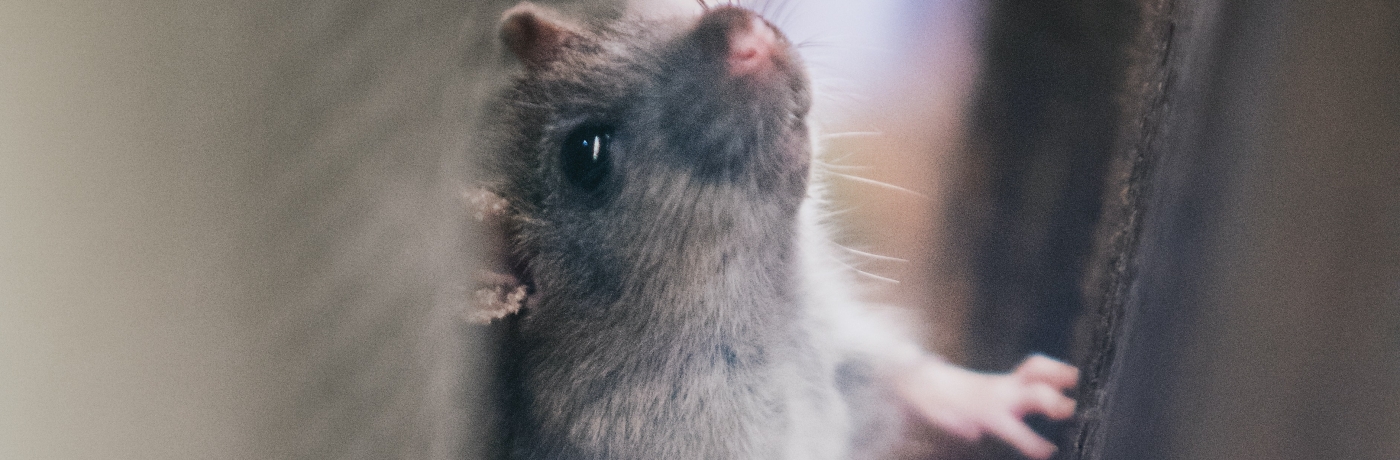
If you're considering insulating your home with biobased materials, you've likely heard about the many benefits. But perhaps you're also concerned about potential drawbacks, such as attraction to pests. It's a common question: does natural insulation attract more rodents, insects, or other unwanted visitors than synthetic alternatives? This uncertainty can make you hesitate about your choice for sustainable insulation, even though you want to contribute to a better environment and create a comfortable home.
At Isoleerbewust, I understand these concerns all too well. For years, I have helped homeowners make informed choices regarding insulation. In that time, I have answered countless questions about biobased insulation and pests and guided dozens of projects where natural materials have been successfully applied. My experience extends across various types of biobased insulation, from wood fiber and cellulose to straw, flax, hemp, sheep's wool, and cork.
In this article, I will delve into the relationship between biobased insulation and pests. You will learn which concerns are well-founded, which are myths, and how to effectively prevent or address any potential problems. After reading this article, you will be able to make an informed decision about using biobased insulation materials, armed with factual information and practical tips.
1. The attractiveness of biobased insulation: fact or fiction?
One of the most persistent myths about biobased insulation materials is that they attract pests. Let's look at the facts:
Fact: Biobased materials are indeed organic in nature, which could suggest they are more attractive to certain animal species.
Myth: All biobased insulation materials automatically attract pests.
The truth, as is often the case, lies somewhere in the middle. Some untreated natural materials can indeed be attractive to certain types of pests. However, most modern biobased insulation materials are treated to minimize this risk. Biobased insulation material is not food for mice, as some people believe. There are no nutrients left in the biobased insulation materials.
2. Different types of biobased insulation and their relationship with pests
Let's examine the most common biobased insulation materials and discuss their specific properties regarding pests:
a) Cellulose
Cellulose insulation is made from recycled paper and treated with borates, which naturally repel insects and rodents.
Advantages: Very effective against insects and rodents.
Disadvantages: In very humid environments, the effectiveness of the treatment may decrease over time.
b) Wood fiber
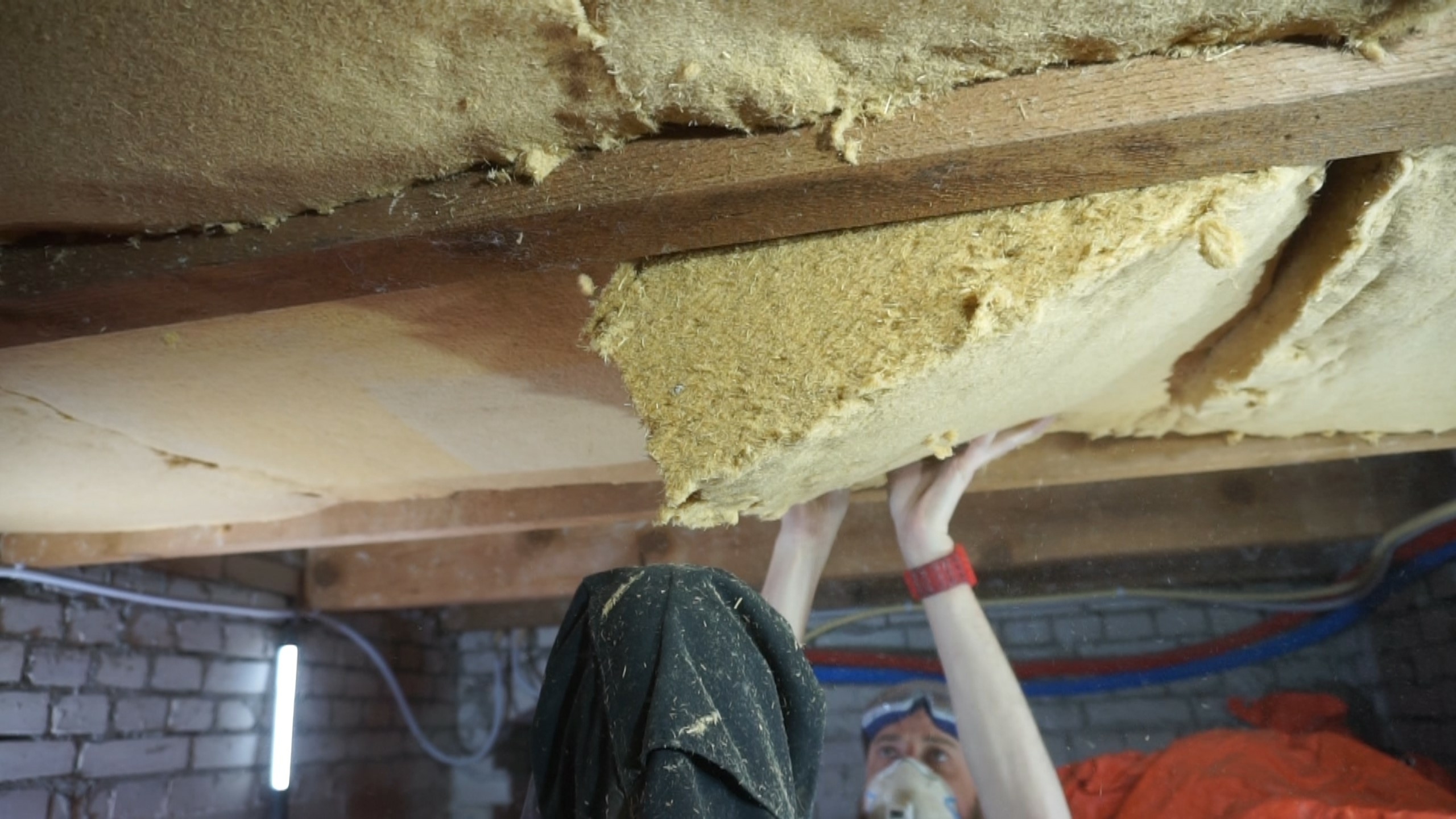
is usually treated with natural fungicides.
Advantages: Resistant to most insects.
Disadvantages: Without adequate moisture protection, in extreme cases, it can become attractive to woodworms.
c) Hemp and Flax
These materials naturally contain substances that are unattractive to most insects.
Advantages: Naturally resistant to many types of pests.
Disadvantages: In rare cases, it can be attractive to certain rodents if not properly sealed.
d) Sheep's wool
Sheep's wool is treated with borates to make it unattractive to moths and other insects.
Advantages: Very effective against most insects.
Disadvantages: Without treatment, it can be attractive to moths.
e) Cork
Cork naturally has insect-repellent properties.
Advantages: Very resistant to most types of pests.
Disadvantages: In rare cases, it can be attractive to certain beetles.
f) Straw
Straw is often used in the form of prefabricated panels and is treated to make it unattractive to pests.
Advantages: Well resistant to most types of pests when correctly treated and installed.
Disadvantages: Untreated straw can be attractive to rodents and certain insects.
3. Comparison with traditional insulation materials
To provide a fair picture, it is important to compare biobased insulation materials with more traditional options such as glass wool, rock wool, PIR, and PUR when it comes to attracting pests.
Glass wool and Rock wool:
These materials are inorganic and therefore generally unattractive to pests. However, they do not offer active repulsion and can still provide a nesting site if pests have gained access to the insulation layer.
PIR and PUR:
These synthetic materials are also not attractive to pests due to their chemical composition. However, similar to glass and rock wool, they do not offer active repulsion.
Advantage of biobased: Many biobased materials, especially when treated, offer active repulsion against pests, forming an extra layer of protection.
Disadvantage of biobased: Without proper treatment or installation, some biobased materials can theoretically be more attractive to certain types of pests than synthetic alternatives.
4. Factors influencing pests in insulation
It is important to understand that the presence of pests in insulation, whether biobased or synthetic, often has more to do with other factors than the insulation material itself:
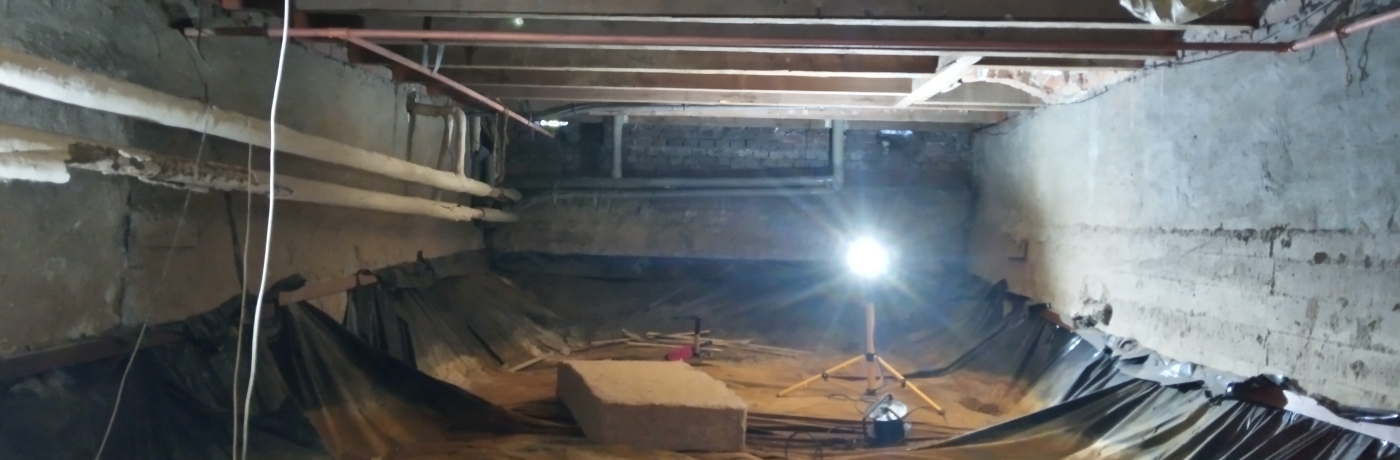
a) Entry points: If there are cracks or gaps in the building's exterior, pests can enter, regardless of the type of insulation. A mouse can get through a hole as small as a ballpoint pen.
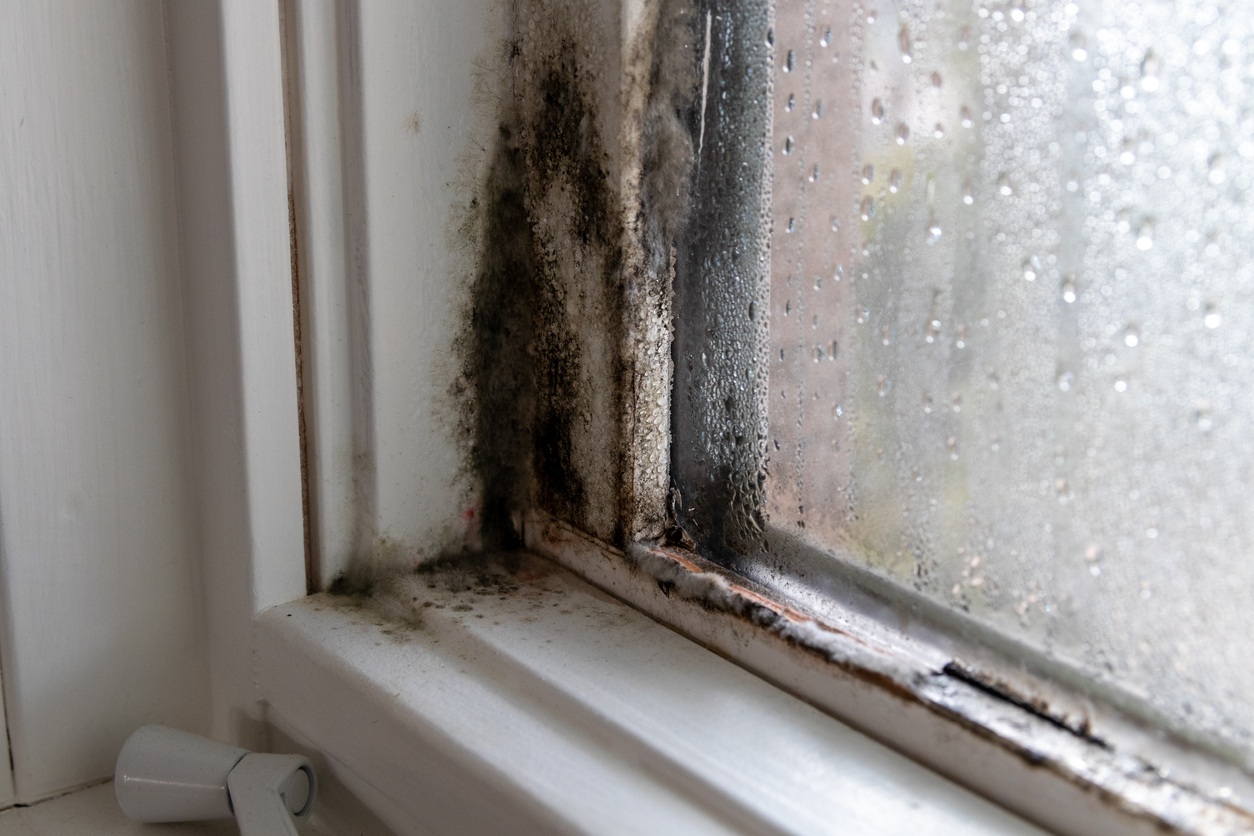
b) Moisture: Excessive moisture can cause mold growth, which in turn can attract certain insects.
c) Food: The presence of food residues near the insulation can attract pests.
d) Climate: In certain climates, some types of pests are more common, which can increase the risk.
e) Installation method: Incorrect installation can create spaces where pests can nest.
5. Preventive measures
To minimize the risk of pests in biobased insulation, the following preventive measures can be taken:
a) Choose treated materials: Use biobased insulation materials that have been treated with natural insect and rodent repellents.
b) Ensure proper installation: Have the insulation installed by experienced professionals who are familiar with the specific properties of biobased materials.
c) Seal all cracks and gaps: Ensure that the building's exterior is properly sealed to eliminate entry points for pests.
d) Check for moisture problems: Address any moisture problems before installing insulation and ensure adequate ventilation.
e) Regular inspections: Conduct periodic checks to detect any problems early.
f) Combine materials: Consider a combination of biobased materials with natural repellent properties for optimal protection.
6. What to do in case of an infestation?
If, despite all precautions,