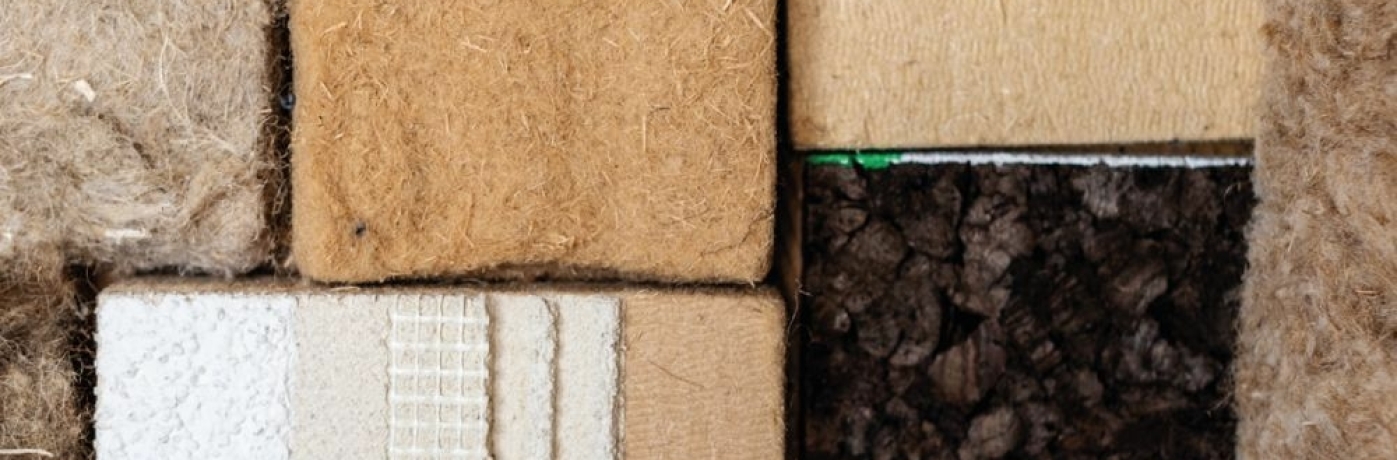
Are you considering insulating your home with sustainable, biobased materials? Then you're probably wondering about the costs of natural insulation options like wood fiber, cellulose, flax, hemp, and sheep's wool.
At Isoleerbewust, we understand that you want to make a price comparison before making an informed choice. That's why, in this article, we delve into the current prices of various biobased insulation materials and compare them with each other and with conventional options.
By the end of this blog post, you will have a clear overview of the costs and know exactly which natural insulation material best suits your budget and insulation needs. This way, you can confidently make the right choice for a sustainably insulated, comfortable home.
Cellulose insulation
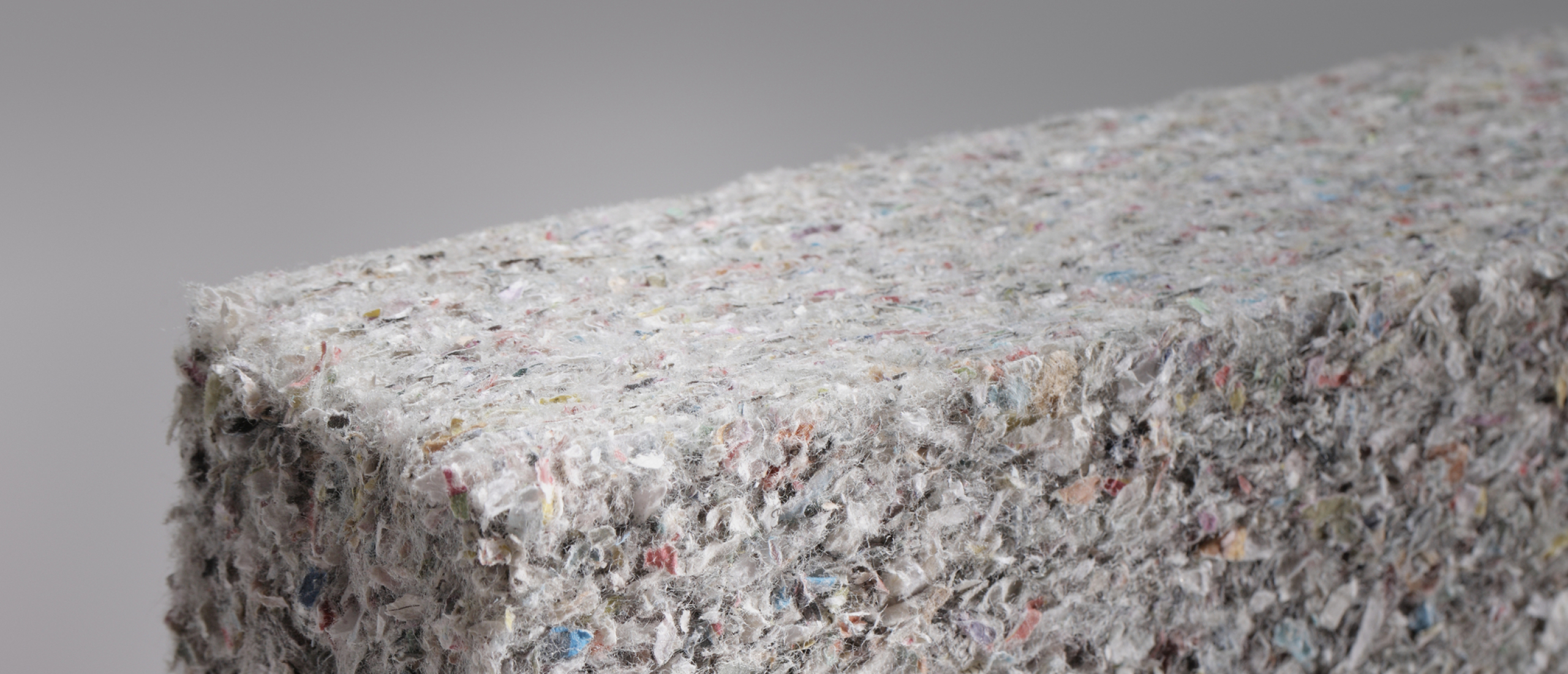
is made from recycled paper, usually newspaper, and is one of the most affordable biobased insulation options. The average cost for blowing in cellulose insulation ranges from €14 to €20 per square meter for an insulation thickness of 20 centimeters. This is comparable to the cost of glass wool or rock wool insulation.
In addition to its favorable price, cellulose insulation also boasts good thermal and acoustic properties. It is fire-retardant treated and resistant to mold and pests. Cellulose adapts seamlessly to any space and is easy to blow into existing structures, which reduces installation costs.
A potential drawback is that the raw material for cellulose, newspaper, is becoming scarcer. This could lead to price increases in the future. Nevertheless, cellulose insulation remains an economical and environmentally friendly choice.
Wood fiber insulation
Wood fiber insulation is made from sawmill waste wood and is a sustainable alternative to conventional insulation materials. The cost for flexible wood fiber insulation mats is €18 per square meter for 14 centimeters. Blown-in wood fiber insulation costs approximately €15 per square meter at a thickness of 14 centimeters.
Wood fiber has good thermal insulation value and excellent sound-insulating properties thanks to its high mass. The material is vapor-open, moisture-regulating, and has a high heat storage capacity
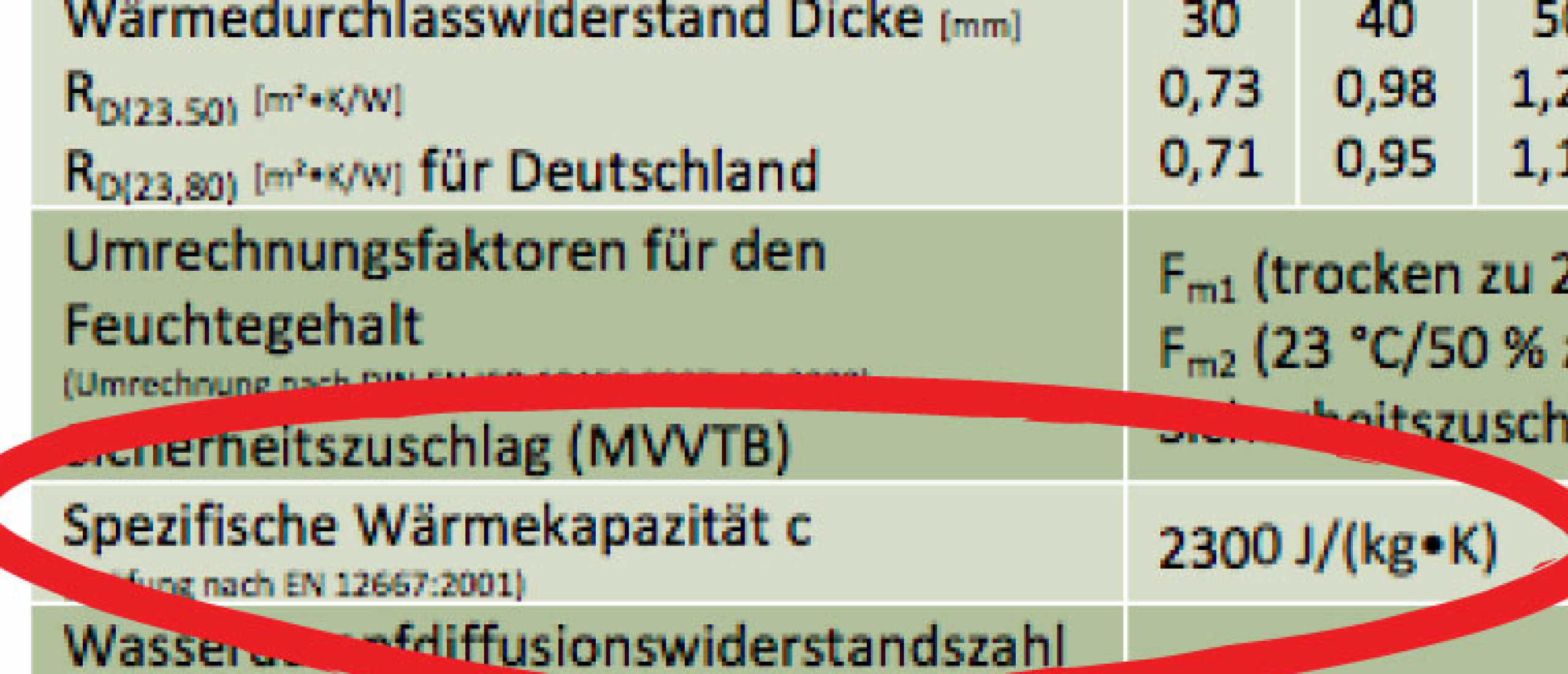
, which ensures a pleasant indoor climate. Moreover, wood fiber insulation is fire-retardant and not harmful to health.
A disadvantage of wood fiber insulation is that it is slightly more expensive than cellulose or mineral wool. However, it remains an attractive option because the density for blown-in wood fiber insulation is lower than that of blown-in cellulose. This means less material is used per m3, making blown-in wood fiber insulation slightly cheaper than cellulose and thus glass wool.
Flax insulation
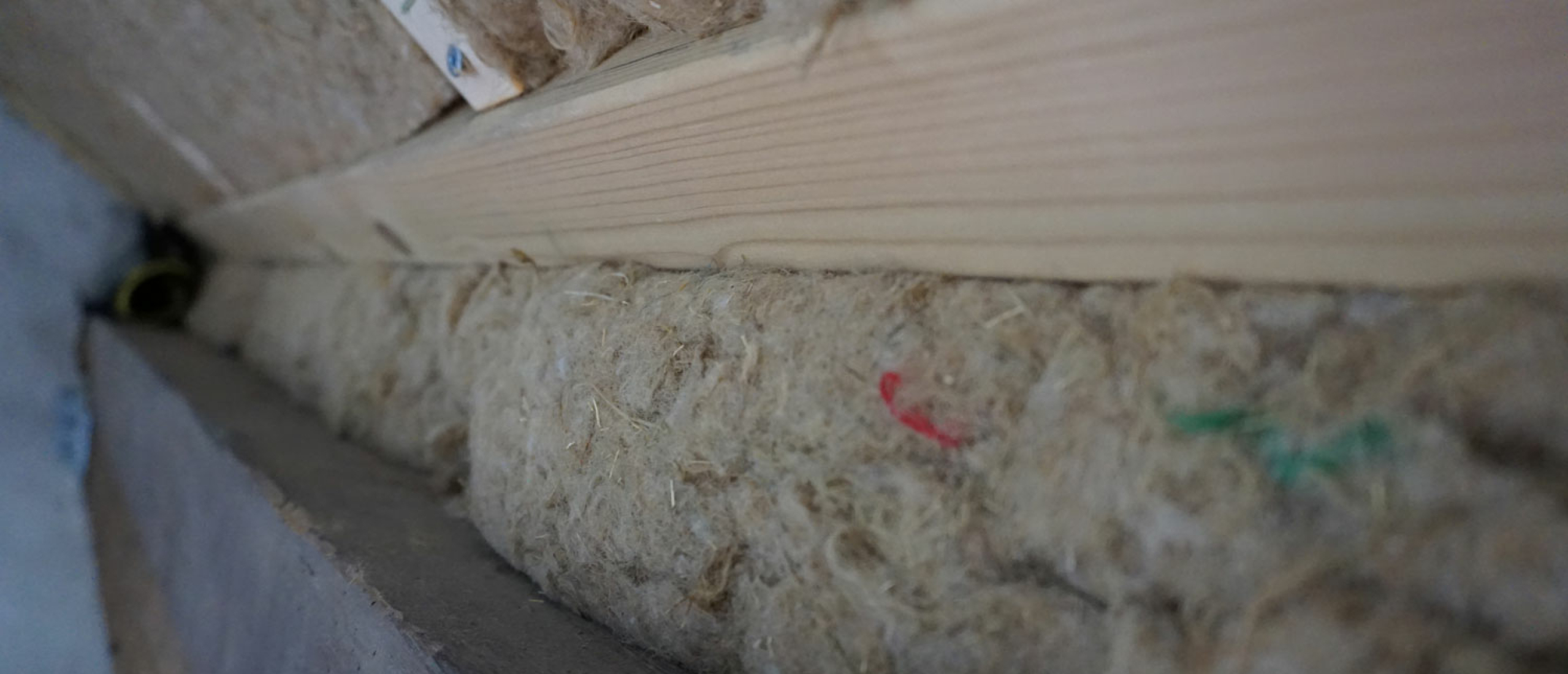
is made from by-products of the linen industry and is one of the most well-known natural insulation materials. Flexible flax insulation mats with a thickness of 14 centimeters cost approximately €20 per square meter. Flax insulation with an underlayment is more expensive, averaging €78 per square meter, including labor and material costs.
Flax insulation has good thermal insulation value and excellent sound-insulating properties. It is moisture-resistant, fire-retardant, and non-irritating to the skin. Furthermore, flax has a positive CO2 balance and is fully recyclable.
Although flax insulation is more expensive than cellulose or mineral wool, the performance and environmental friendliness of the material are worth the extra cost for many conscious consumers.
Hemp insulation
Hemp is a fast-growing plant that requires minimal pesticides and water during cultivation. Its stalks contain strong fibers that are processed into insulation mats or boards. Hemp insulation has a thermal conductivity coefficient (lambda value
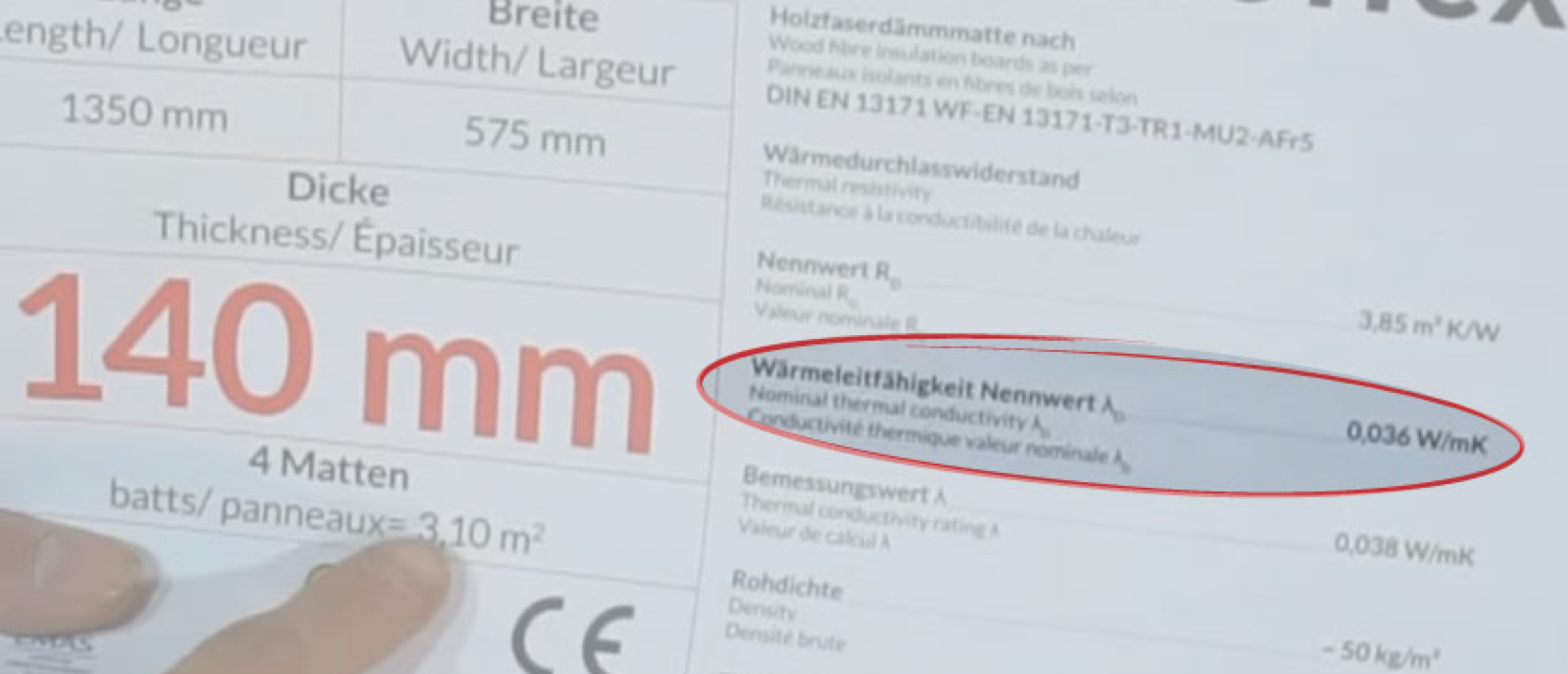
) of approximately 0.040 W/mK. This means that a 15 cm layer is sufficient for good insulation.
In terms of price, hemp insulation is in the mid-range. On average, you pay between €16 and €21 per square meter, depending on the thickness. In comparison: glass wool and rock wool are cheaper with prices starting from €6/m2. But hemp scores better on environmental friendliness and moisture regulation.
Hemp has good thermal insulation value and is excellent at regulating moisture. The material is fire-retardant, mold-resistant, and pest-resistant. Hemp insulation has a negative CO2 footprint, meaning it stores more CO2 than is released during production.
Although hemp insulation is slightly more expensive than some other biobased options, it remains an attractive choice due to its excellent performance and sustainability.
Sheep's wool insulation
Sheep's wool is a particularly effective insulation material. It consists of 100% natural protein fibers that trap air and therefore insulate well. Sheep's wool has a lambda value of 0.035 to 0.040 W/mK, comparable to hemp. A major advantage is that sheep's wool can absorb up to 33% of its weight in moisture without losing its insulating value.
Sheep's wool is among the more expensive natural insulation materials. For an insulation layer 6 cm thick, you pay an average of €25 per square meter. That is about 3 times more expensive than mineral wool. But in return, you get a sustainable material with unique properties. Choose certified brands like Isolena for the best quality.
Sheep's wool has good thermal insulation value and is excellent at regulating moisture. The material is naturally fire-retardant and resistant to mold and pests. Sheep's wool insulation is fully biodegradable and has a low ecological footprint.
Although sheep's wool insulation is more expensive than many other biobased options, many people value the unique properties and sustainability of the material.
Straw insulation
Straw insulation is made from dried stalks of cereal crops and is an inexpensive and environmentally friendly alternative to conventional insulation materials. The costs for straw insulation in the form of straw bales range from €7 to €10 per square meter, making it one of the most affordable biobased insulation options. Blown-in straw insulation costs around €11 for an insulation thickness of 18 cm with an Rd-value
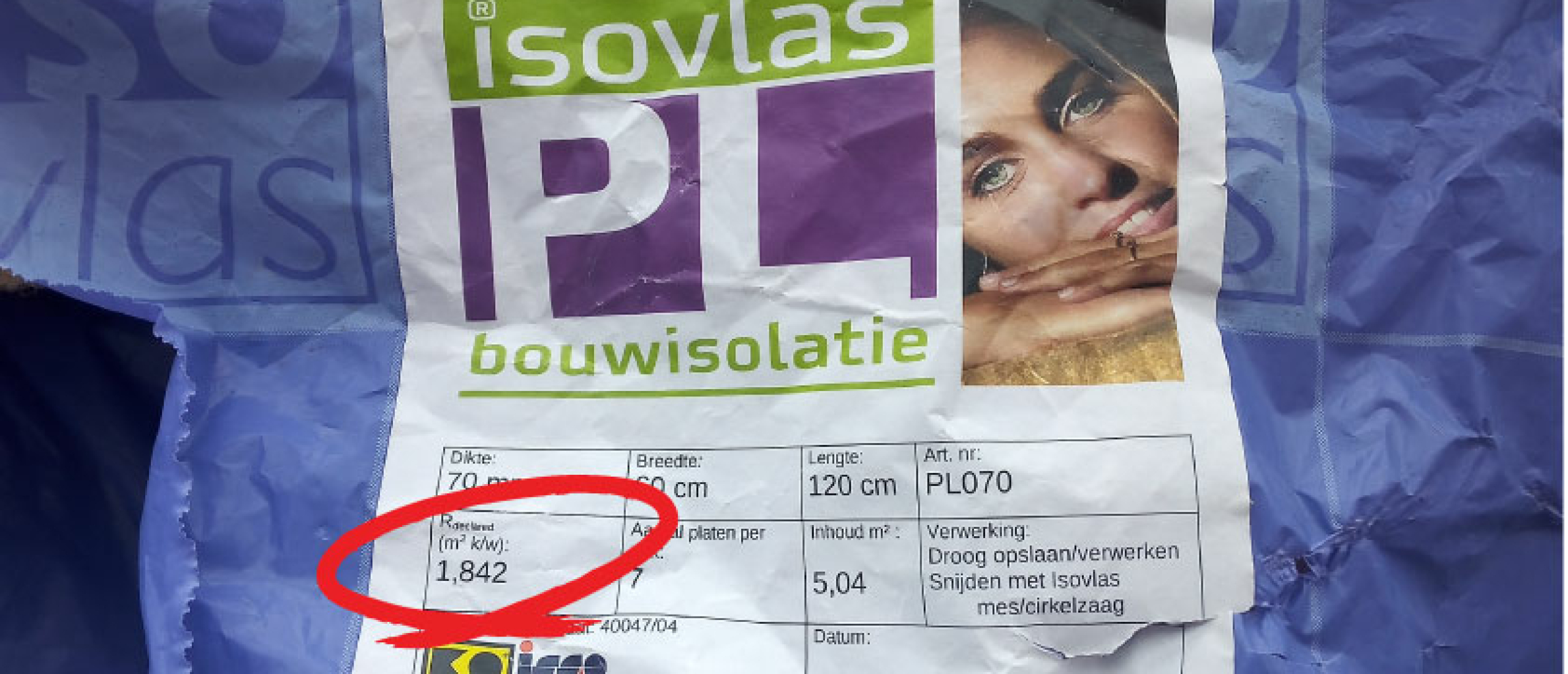
of 3.5.
Straw has good thermal insulation value and excellent sound-insulating properties. The material is fire-retardant, mold-resistant, and pest-resistant when applied correctly. Straw insulation is fully biodegradable and has a very low ecological footprint.
A disadvantage of straw insulation is that it requires a relatively thick layer for good insulation