You suspect your house has a cavity wall. You heard this from a neighbour. It seems like a good option to make your home more sustainable and not lose space to insulation. You are now wondering if this will be beneficial and what it will cost.
We are happy to help people find the insulation that best suits their home and needs.
Climatedeal from Rotterdam has been insulating homes with ecological materials since 2020. Since then, we have received many questions about ecological cavity wall insulation. Very little ecological cavity wall insulation is currently used in the Netherlands, and what is used requires large machines. These are the reasons why we do not yet apply ecological cavity wall insulation ourselves. However, this does not mean that developments regarding ecological cavity wall insulation are not underway. More on this at the end of this article.
What is cavity wall insulation?
Cavity wall insulation is insulation that is injected into the hollow space between your inner and outer wall. It can be a few centimetres wide. After 1960, more and more houses had a cavity wall, initially without insulation. Gradually, construction companies started using cavity wall insulation more frequently.
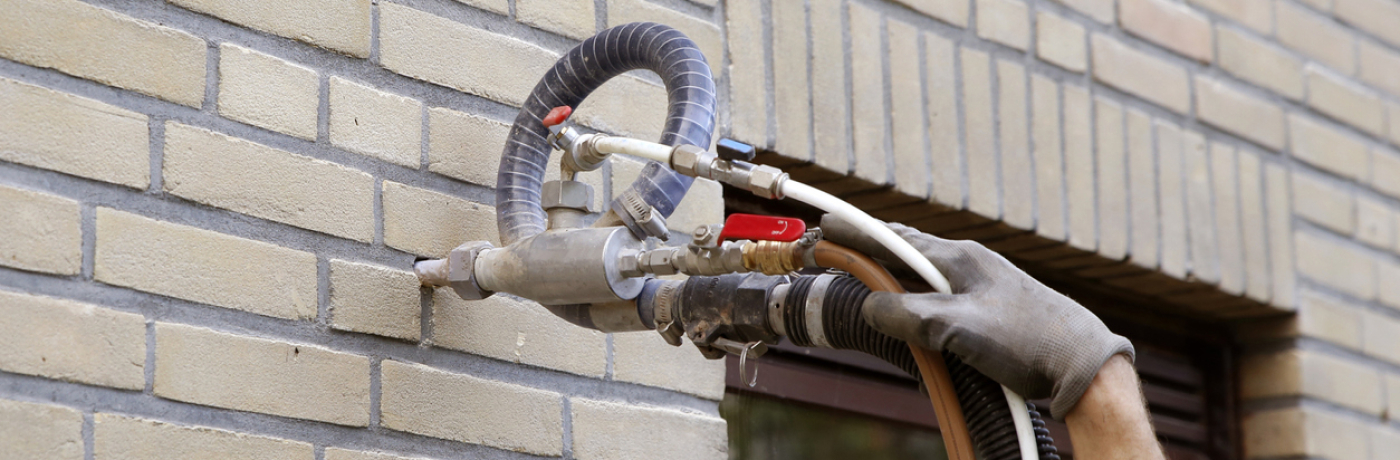
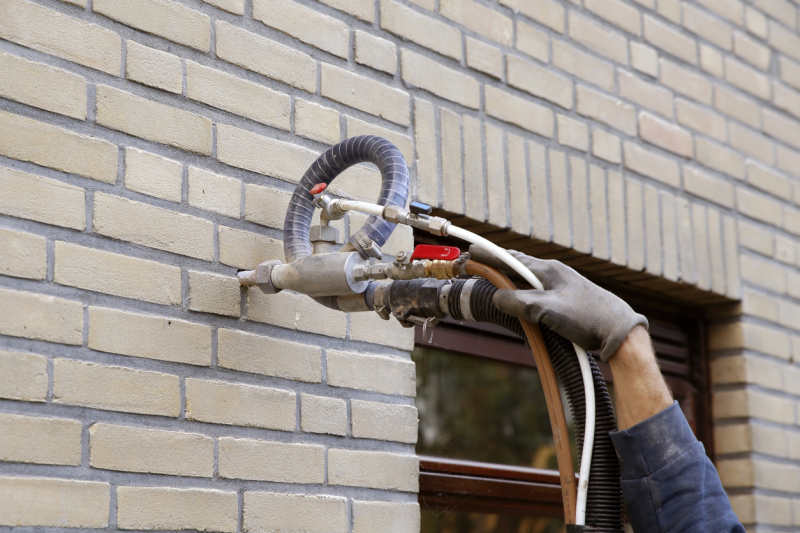
Insulation can be injected into this cavity. A company drills 15-20mm holes in your exterior brickwork and injects (or blows) insulation into the cavity. A professional company can generally do this in one day.
How much does cavity wall insulation cost?
Glass wool €15 - €20 per m2 (excl. VAT)
Biofoampearls €20 - €25 per m2 (excl. VAT)
What are the disadvantages of cavity wall insulation?
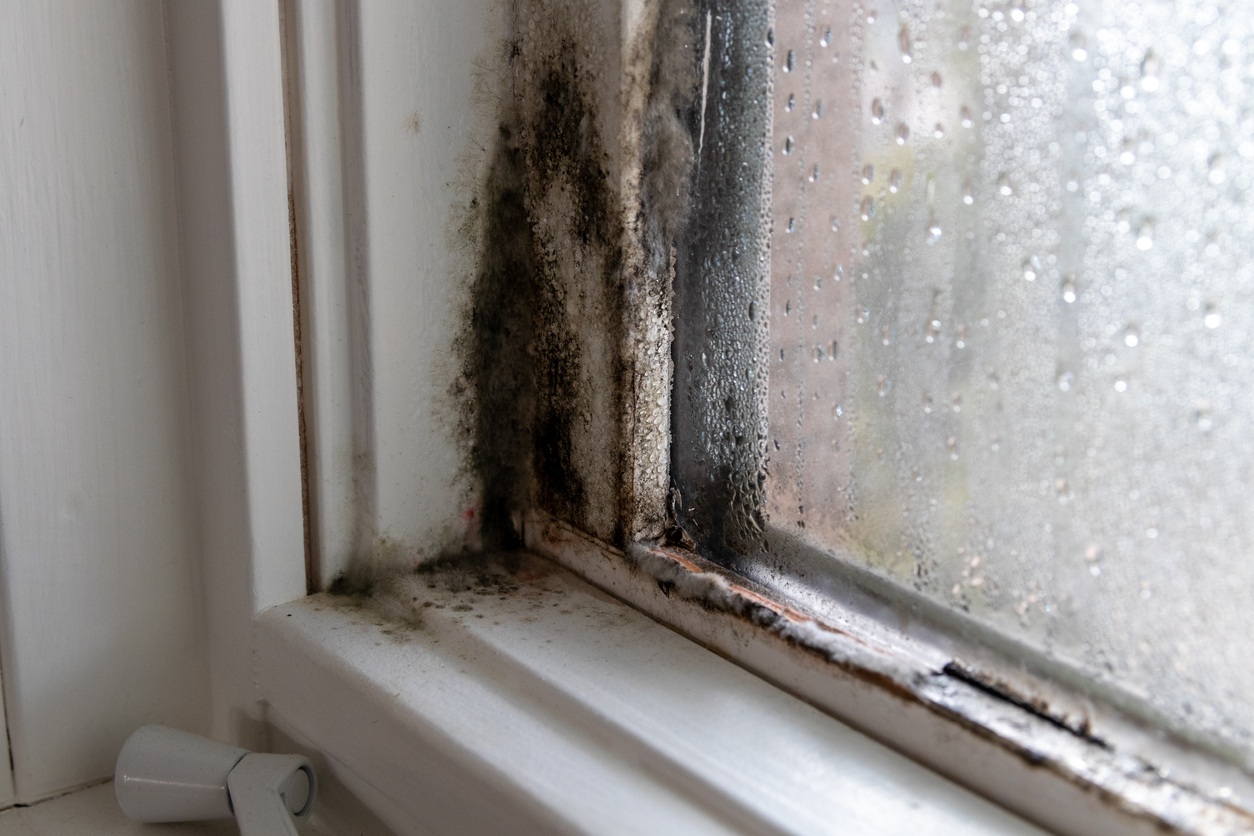
The choice of cavity wall insulation affects the moisture-regulating capacity of your cavity wall. A cavity wall is, in principle, vapour-open, which contributes to good moisture regulation in the house. Originally, a cavity was intended to contribute to the insulation of homes through the almost still air.
If you have synthetic insulation such as EPS beads injected into your cavity, then little to no moisture can escape through your cavity. This can lead to moisture problems indoors.