If you're tired of the air you heat escaping your home and outdoor air entering, creating an airtight seal in your house is the solution.
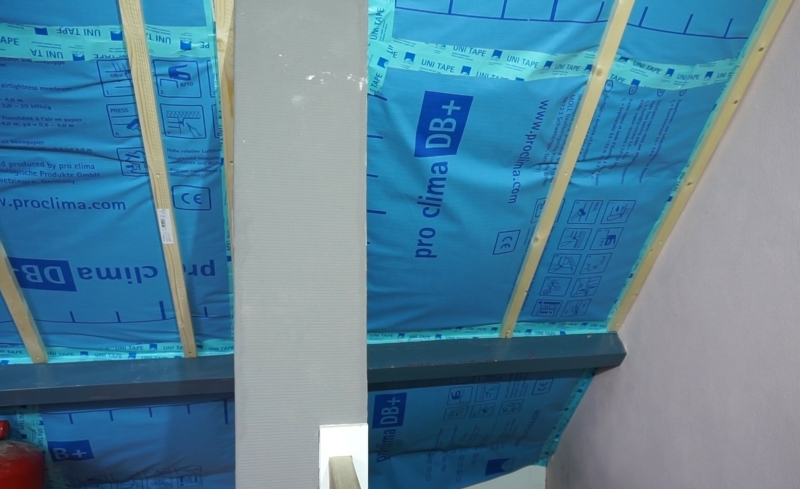
In the video below, you can see clearly how windproof foil ensures that outside air cannot simply enter. The foil 'breathes' because the wind blows through the existing roof structure.
Wind and airtight construction - YouTube Photo image of Climatedeal Climatedeal 11 subscribers Wind - en luchtdicht bouwen Climatedeal Search Watch later Share Copy link Info Shopping Tap to unmute If playback doesn't begin shortly, try restarting your device. More videos ## More videos You're signed out Videos you watch may be added to the TV's watch history and influence TV recommendations. To avoid this, cancel and sign in to YouTube on your computer. CancelConfirm Share Include playlist An error occurred while retrieving sharing information. Please try again later. Watch on 0:00 / 0:43 •Live• But how do you build airtight?
It's not as difficult as you might think. You can create an airtight layer in your house with PUR foam, sheet material like OSB, or with special foils such as those from Pro Clima.
Climatedeal from Rotterdam has 2 years of experience installing ecological insulation and airtight foils, creating an airtight layer that made these homes more comfortable and energy-efficient. As you can imagine, as an ecological insulation company, we are not big fans of using PUR foam for airtightness.
In our efforts to educate homeowners, let's look at what airtight construction and insulation are, why they are important, and how we can construct airtight buildings.
What is airtight construction?
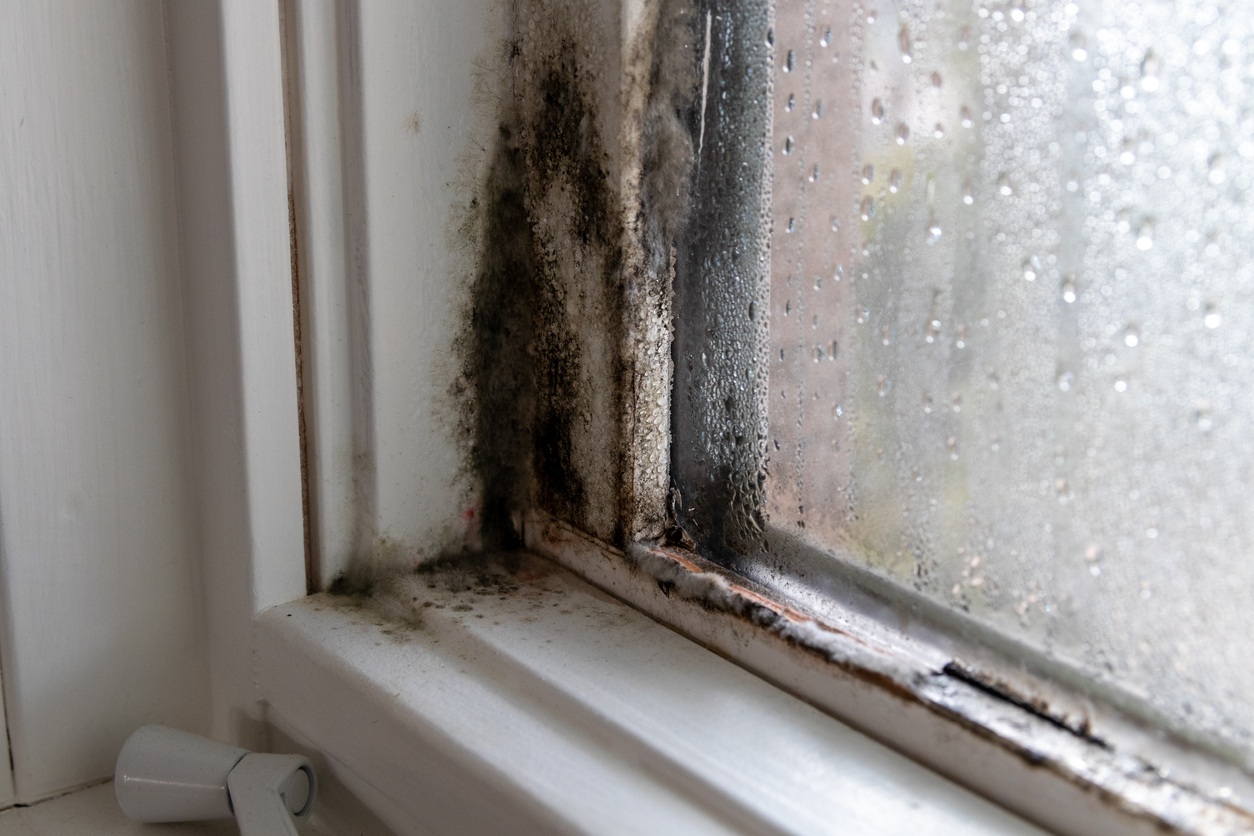
Airtight construction ensures there are no unwanted and uncontrolled airflows through your building envelope. In existing homes, you may encounter building components that are no longer windproof or airtight. Over the years, seams may have appeared in your sarking, around window frames, and/or between and within floors and walls. It is therefore advisable to check the wind and rain seal on the exterior of the building section to be insulated beforehand. And to have good airtightness on the interior, otherwise, the insulation value can be halved if the still air in your insulation moves due to air movement. The air leakage you experience can account for approximately 30 percent of a home's heating and cooling costs.
Good insulation means, among other things, that you must ensure that air is still within the structure, that there are no thermal bridges, and that the insulation material does not get too wet. To simplify, you can compare insulation to a wool jumper and the wind, rain, and airtightness to a raincoat. You've probably experienced it. You're walking outside in winter in your wool jumper. It's fine for a short while. But the moment you encounter strong headwinds, you suddenly don't feel so warm anymore. This is because a wool jumper keeps you warm by trapping still air between the wool fibres. In a strong wind, this air is simply blown out. A windstopper or raincoat can prevent this.
Wind and airtight sealing with foils or sheet material
Making a building section wind and airtight can be done with special foils or with sheet material, with the seams of both being sealed with airtight tape. Ensure that this layer is not accidentally perforated by anything sharp in the existing structure, such as a forgotten nail, otherwise, air and water leaks can occur. The choice between a foil or sheet material depends on the price, the amount of processing required for corners and exceptions, etc.