Your home isn't as comfortable as it could be, and your energy bill is skyrocketing. You know it's time to install insulation.
But then comes the big question: do you do it yourself or hire an experienced contractor?
During an initial consultation (or viewing), people often ask me if they can reduce costs by insulating themselves or partially helping out.
The truth is that in many cases ecological insulation materials
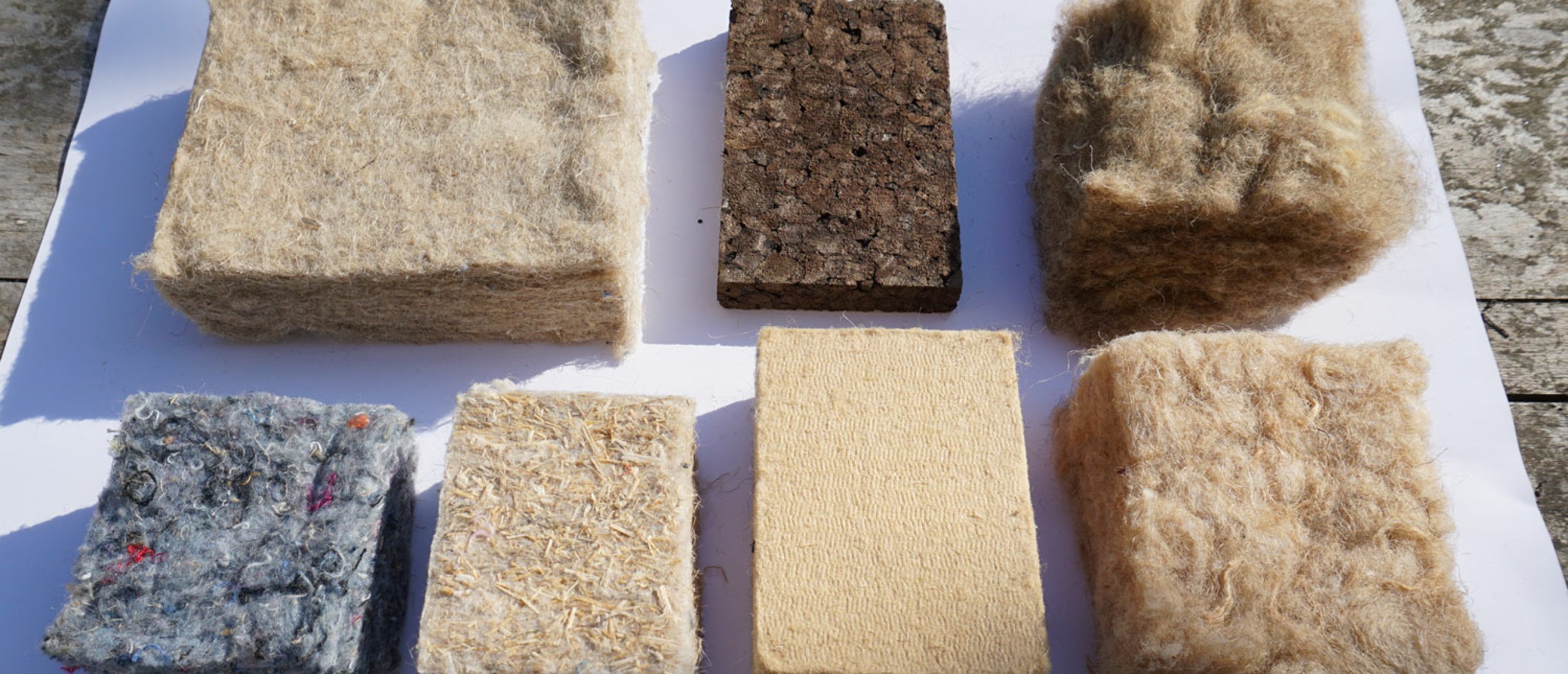
are perfectly suitable for DIY installation as they don't require special tools or protective equipment.
There are many factors to consider when thinking about insulating your home, including how easy it will be to install yourself and realising that some jobs will be either far above or well below your pay grade. For example, the hourly rate of an experienced insulation installer is between €40 and €50 per hour ex VAT. Some parts of your home will require the skilled hands of a contractor, while others can be a DIY project if you don't mind getting dirty.
Climatedeal from Rotterdam has already ecologically insulated over 10 homes in the past two years. During that time, we have also guided more than 5 private individuals, via Ecobouwschool, in insulating their homes themselves. We know a lot about insulation, so we can tell you which parts of your home can be a DIY project and when it's time to call in the professionals.
Below are the pros and cons of DIY insulation vs. having your home insulated by an experienced contractor.
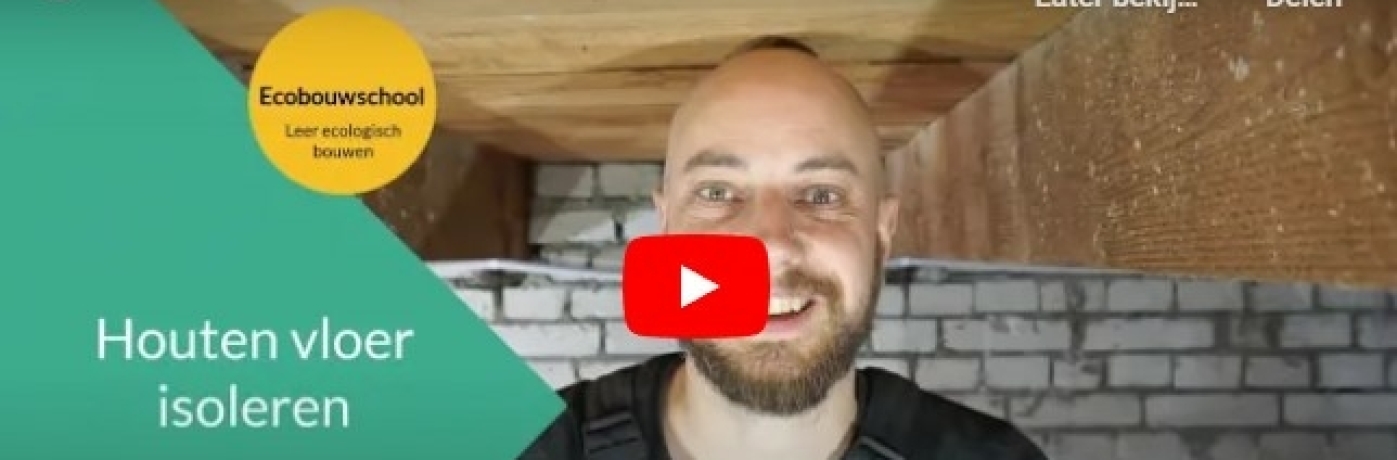
Check out one of our instructional videos on Ecobouwschool
Advantages of DIY Home Insulation
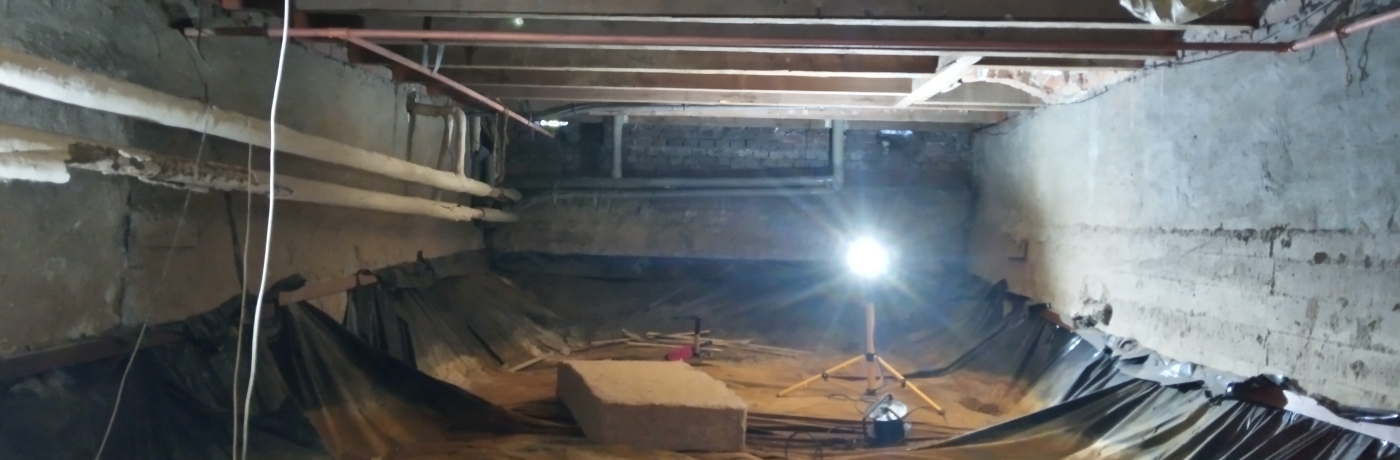
- Flexible insulation mats such as wood fibre insulation can be easily clamped between wooden floor joists and wooden roof rafters.
- As a homeowner, you can blow in insulation such as cellulose insulation.
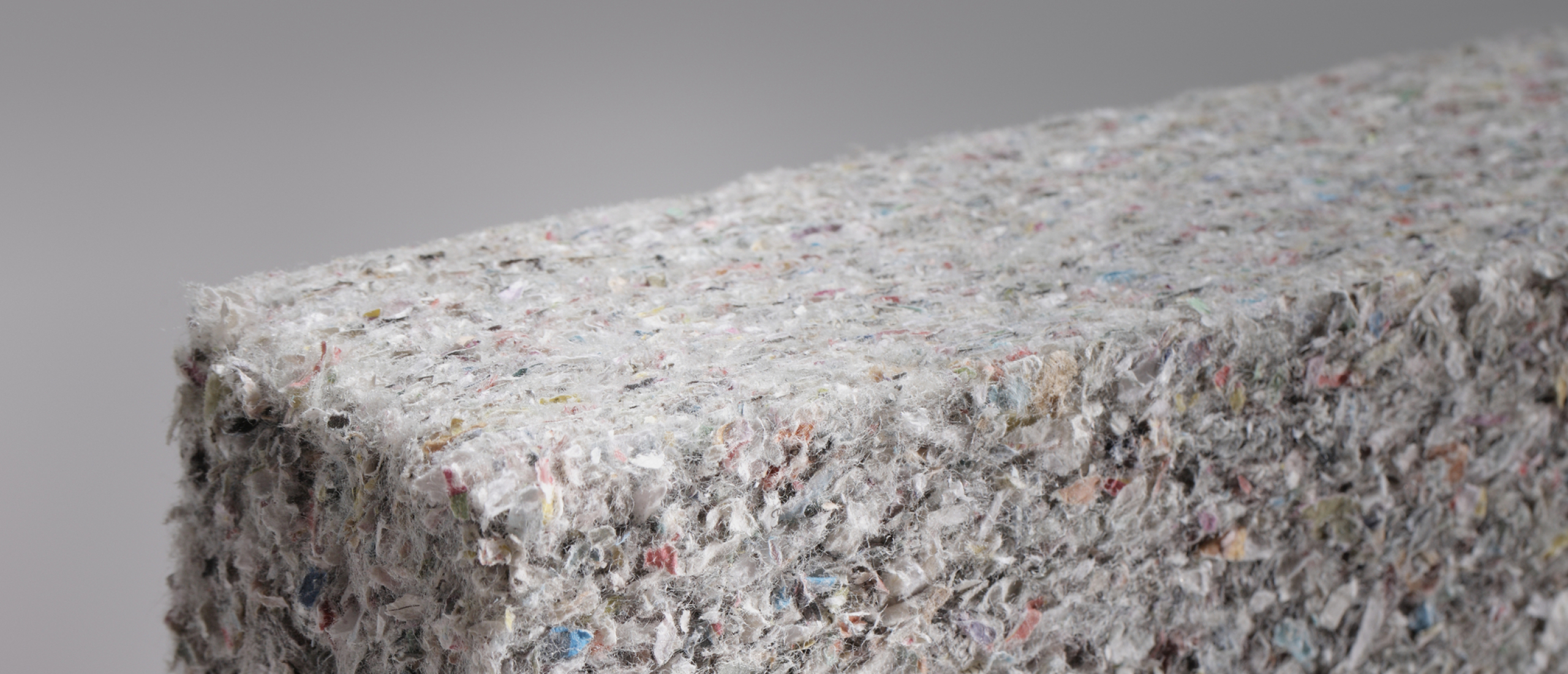
Do you need insulation in your home and are you looking for more information about a more traditional material like cellulose? Cellulose insulation is the oldest form of home insulation and is still used in homes.. blow it in yourself by renting a blowing machine from, for example, Boels rental. You can then use this for insulating hollow structures in walls and floors.
- It can save money if the DIY insulation project goes as planned.
- You can do the work according to your own schedule, as you won't be waiting for a contractor to have time in their diary. This is especially the case if the contractor is already booked up for months in advance.
Disadvantages of DIY Home Insulation
- As a DIYer, you have to purchase all insulation materials and accessories (vapour-retardant and airtight foils, tape, and special sealant) yourself.
- Most DIY insulation installations take a lot of time for an experienced handyman to ensure it's done correctly.
- If something goes wrong and part of your home is damaged as a result, you, as the homeowner, are responsible for carrying out and paying for the repairs.
- Even an experienced handyman and homeowner can overlook structural problems, for example in the attic, which can lead to costly problems in the future. If a leaking roof is missed and moisture becomes a problem in the attic, the roof will need to be repaired and the insulation replaced.
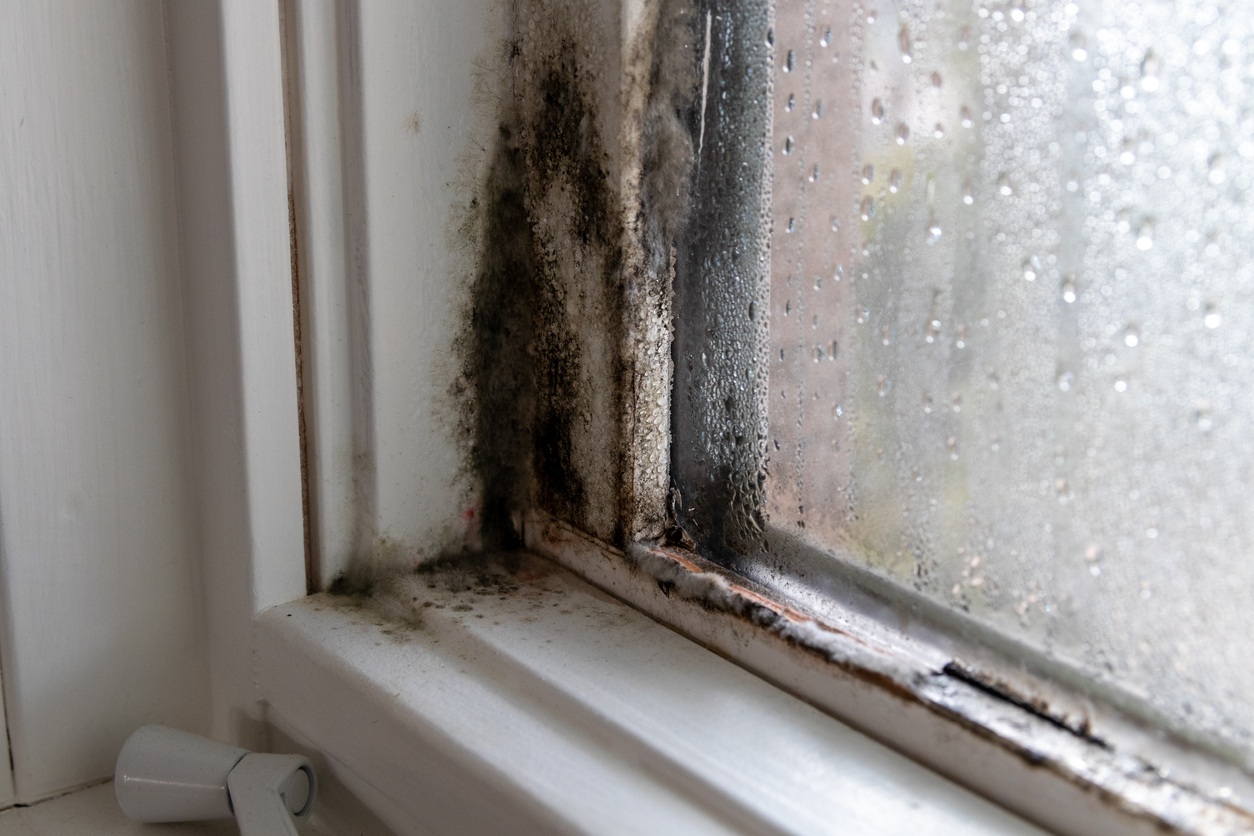
- The effectiveness of the insulation depends not only on the quality of the product but also on the quality of the installation. If it is installed incorrectly, the homeowner will see no benefits or it can lead to problems such as heat loss, moisture problems, and mould.
- If you want to blow in insulation with a blowing machine and it is not operated by someone who knows how to use it, the blown-in insulation will go everywhere except where it should be. Blowing in insulation is not that difficult, but ensuring it is