It is quite straightforward to insulate your roof from the inside. Your roof covering can remain in place, which can save you a lot of money. Plus, you are not dependent on the weather. It is often the first thing people have done when making their home more sustainable. With roof insulation, you can significantly reduce your gas bill in winter. And if you choose the right material, you will also save substantially on your electricity bill for cooling in summer. This is good for both your wallet and the environment.
Curious about what roof insulation
from the inside precisely delivers, whether this type of roof insulation is suitable for your home, and what it costs? In this blog post, we will delve into these questions in detail.
_This article was originally published on March 26, 2023, and was updated and republished on July 2, 2023._
Pitched roof insulation between rafters
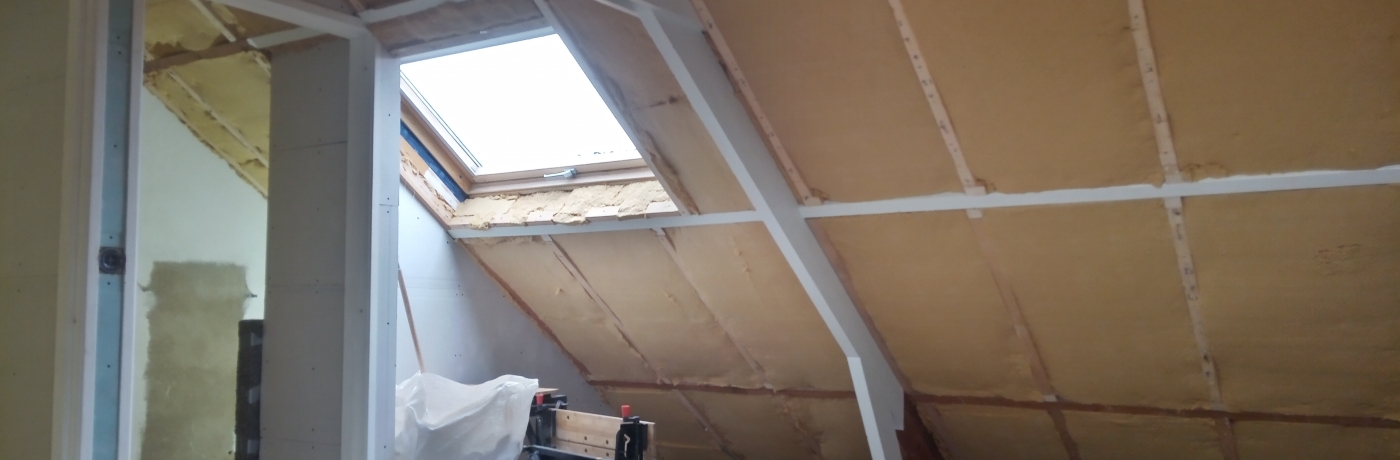
Easily insulate your pitched roof by clamping insulation between the wooden rafters. Often, in old houses, the "purlins," also commonly referred to as (roof) beams, are still visible. You can place insulation between the rafters and finish it.
 Pitched roof insulation between purlins
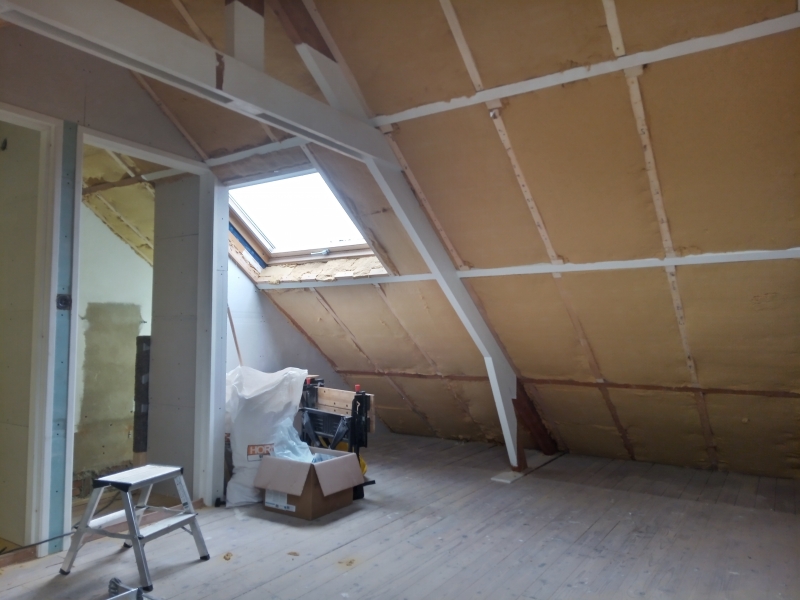
If you want to keep the purlins exposed, this will cost extra time and money. You will need to custom cut everything because purlins interrupt the roof plane and are often sagging. It is easier and cheaper to choose an insulation thickness that is the same as the rafters themselves. This way, you fill the entire space between the rafters with insulation. Afterwards, you apply the finish over the rafters.
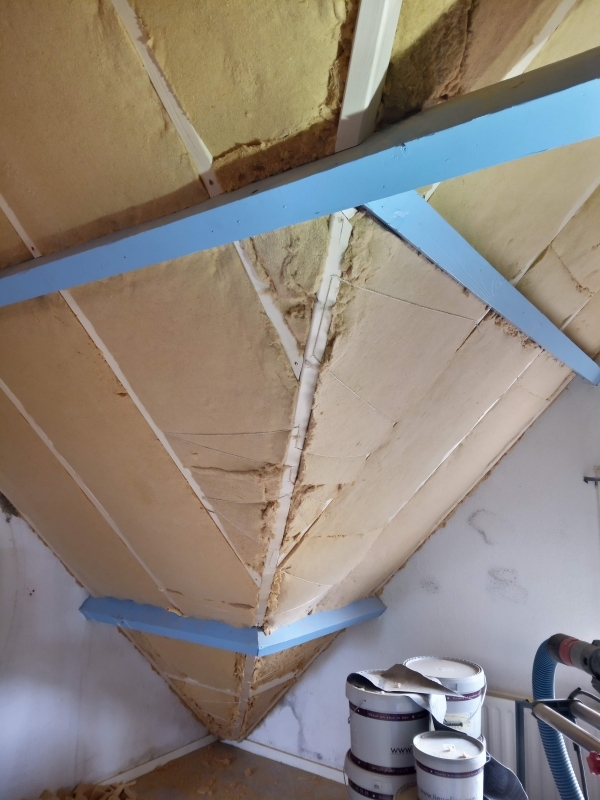 Pitched roof insulation so that the rafters remain visible after finishing
Flat roof insulation on the inside
A flat roof can also be insulated from the inside. This is called a cold roof. Insulating flat roofs from the inside is often not recommended due to the risk of moisture problems under your vapour-proof roofing of bitumen or EPDM. You must therefore ensure that moisture is not "trapped" in your roof construction, as this can cause roof timbers to rot. Vapour-open construction with ecological insulation materials
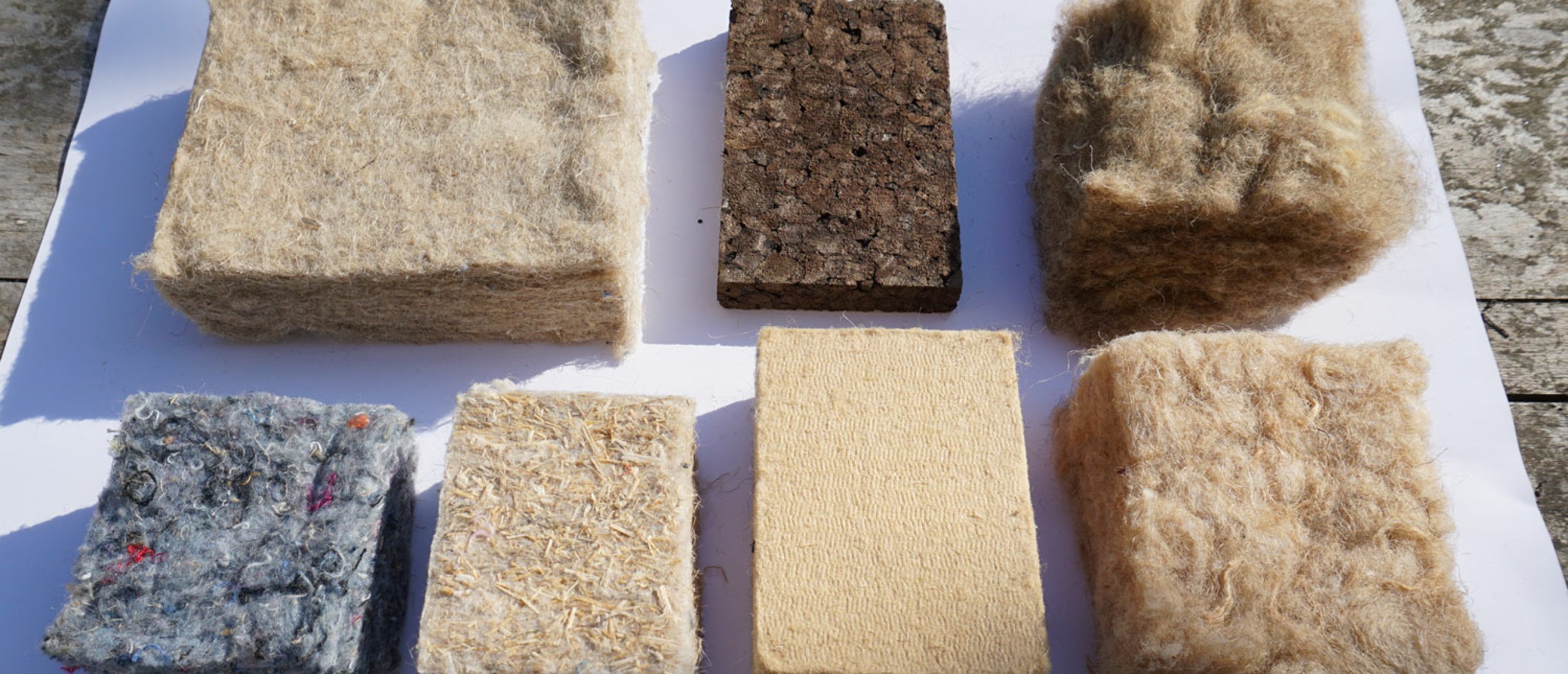
is a good solution here. You must ensure that any moisture can dry out because the sun shines on your roofing or can escape from the construction through a vapour-open finish on the warm side. We recommend consulting a building physicist when insulating flat roofs from the inside to prevent the risk of moisture problems.
What are the benefits of roof insulation?
Many old houses built before 1980 often have inadequate, damaged, or poorly performing roof insulation compared to houses built today. This means a lot of heat is lost in winter and a lot of heat enters in summer.
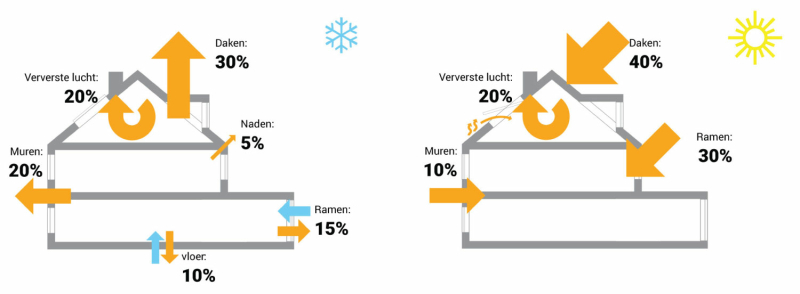
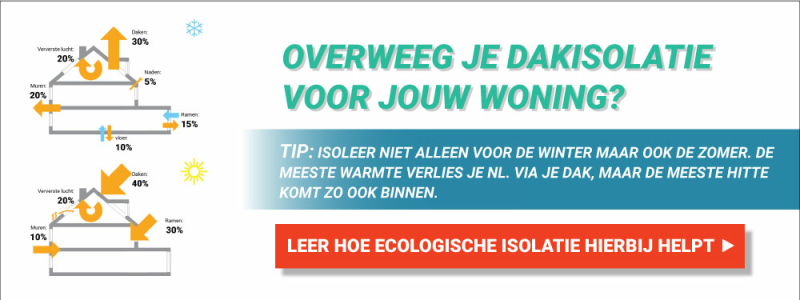
That is why Isoleerbewust chooses to insulate roofs with ecological roof insulation. This saves an average of 30% energy in winter and up to 40% energy for cooling in summer. With its high heat storage capacity
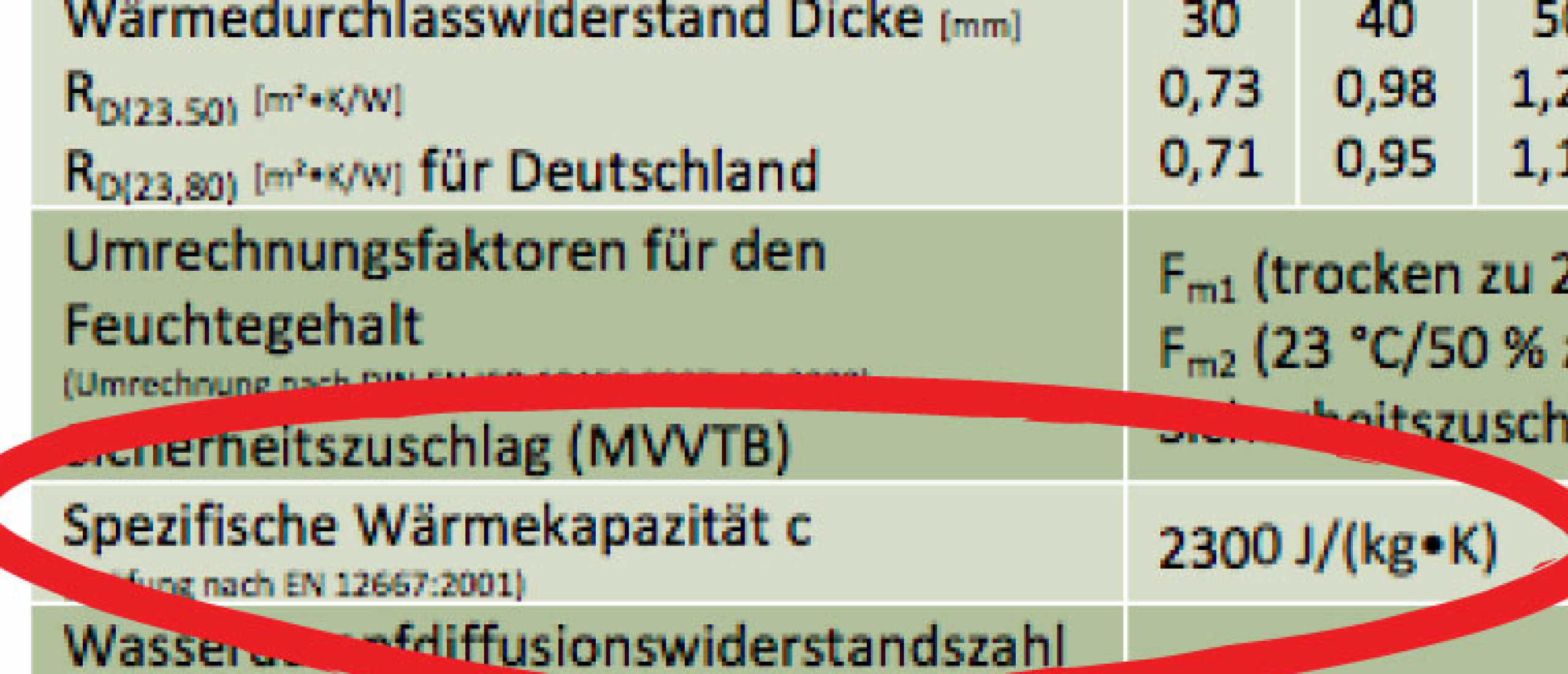
and high density, it keeps heat out up to 3 times longer than, for example, glass wool. In addition, the high density also makes ecological insulation very good at keeping sound out.
We will now zoom in on the advantages and disadvantages of internal roof insulation.
Advantages of internal roof insulation:
- installation is not dependent on weather conditions
- almost always possible; first solve any moisture and mould problems
- it can be installed step by step and room by room
- you do not need high scaffolding to reach everything
- relatively easy to do as a DIY enthusiast
Disadvantages of internal roof insulation:
- loss of space
- in some cases, you may no longer be able to stand under the roof
- the work causes dust in the house
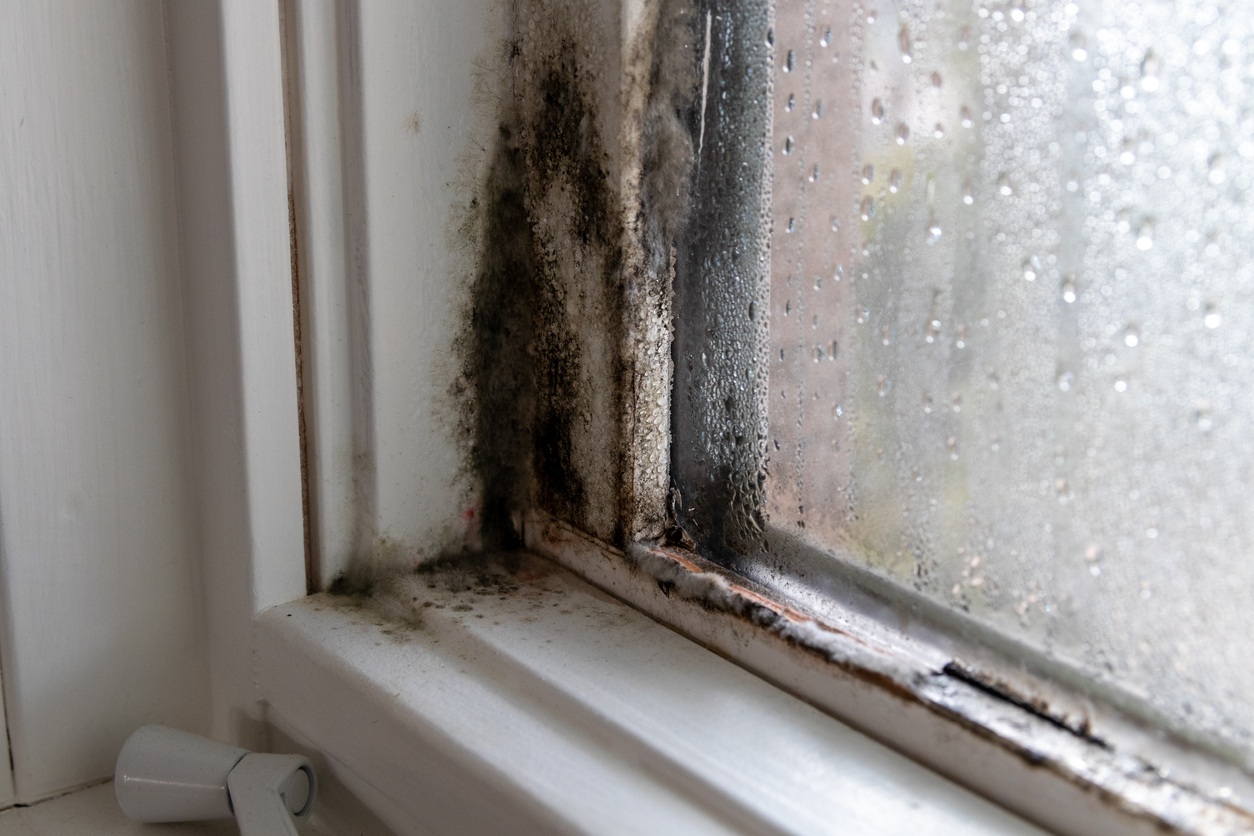
- increased risk of internal condensation because moist and warm air can condense against the cold roof boarding
- increased risk of thermal bridges at connections of roof windows and wooden roof rafters
With which insulation materials can I insulate my roof from the inside?
You can use various insulation materials for internal roof insulation. The best option for you depends on factors such as your budget, the current condition of your roof, the desired insulation value, the available space, and your DIY experience if you want to do it yourself. For example, insulating your roof with glass wool, rock wool, or wood fibre insulation
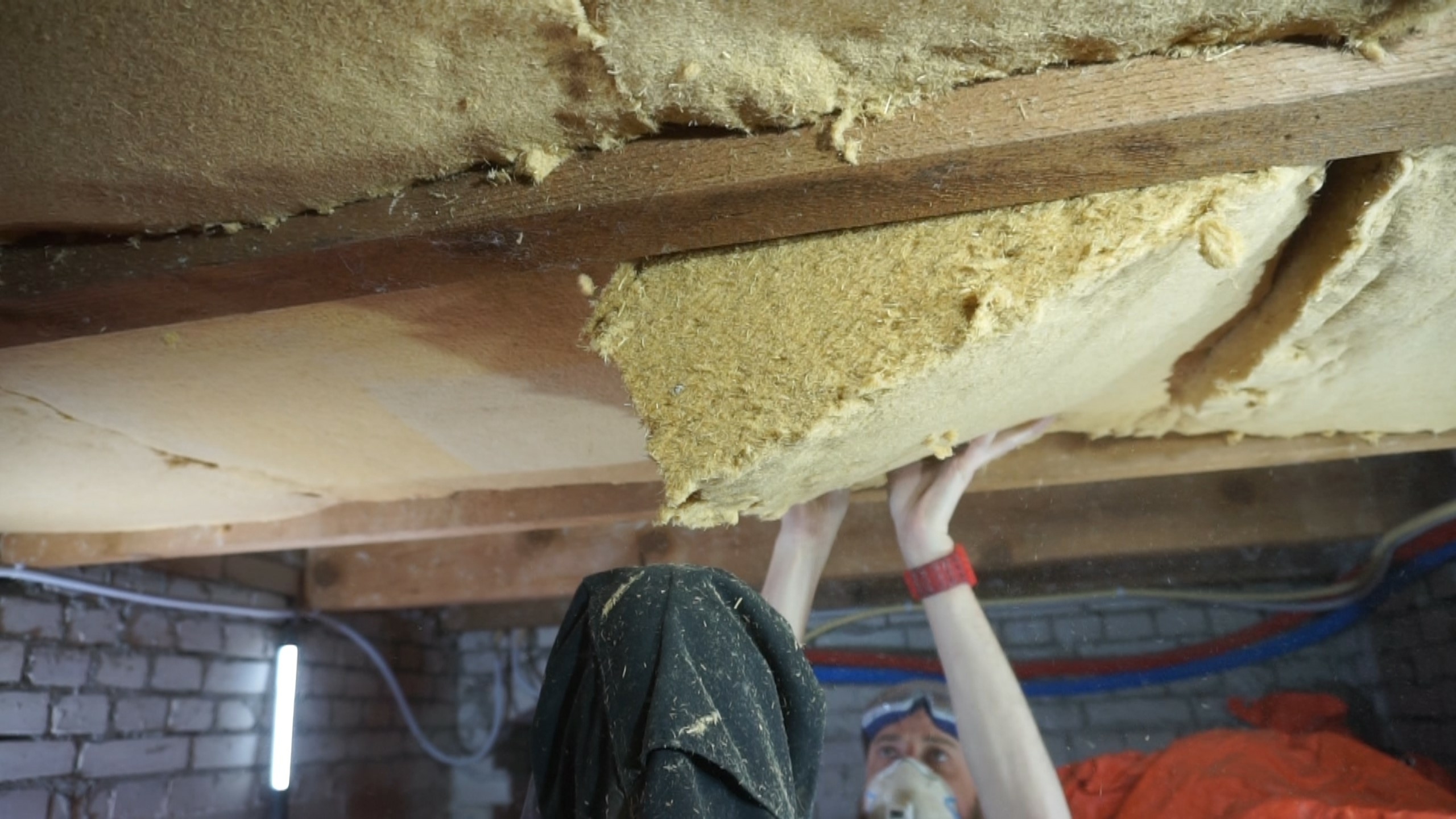
is quite easy to do. However, insulating with, for example, PIR saves space because you can insulate thinner for the same Rd-value
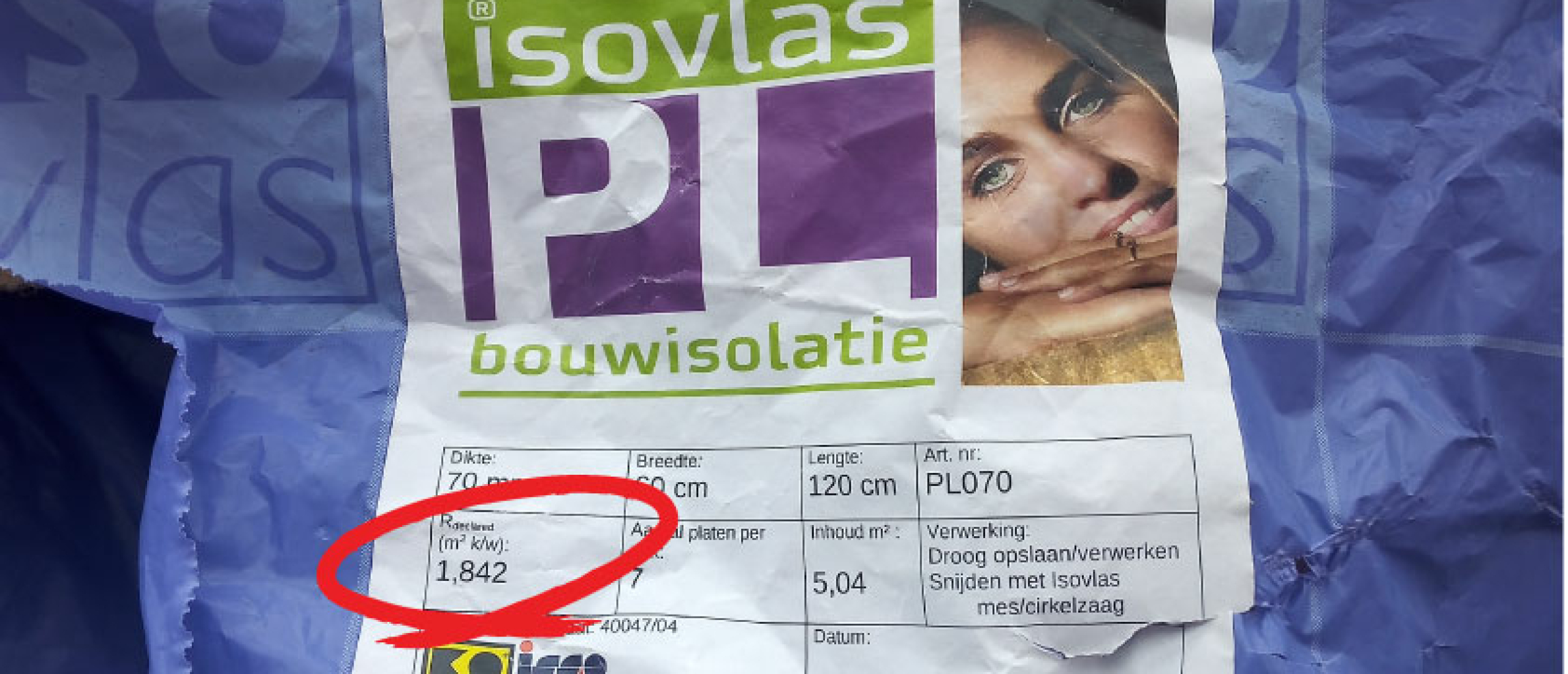
Tip! When choosing roof insulation, pay attention to the Rd-value and the phase shift. A high Rd-value, or a high insulation value, ensures that heat remains well inside in winter. A high phase shift

indicates how long (in hours) the insulation material keeps heat out in summer.
Roof insulation or attic floor insulation?
If you have or want to create a living space under the roof, then insulating the roof is the best option. This keeps the living space warm in winter and cool in summer if you insulate it ecologically. If you only have storage under the roof, then insulating the floor is probably a better option. This requires less insulation and therefore money. Also see if you can potentially blow into the hollow floor. That is even easier.
Roof insulation costs
The price for having your roof insulated depends on, among other things:
- the desired finish
- the distance between the purlins
- the weight of the finish
- whether you want to keep any roof timbers exposed
- whether you want to insulate according to the guidelines with a vapour-retardant foil (also airtight) on the warm side
- the desired insulation thickness
- desired height you retain under the roof
- the condition of your roof
- whether they are continuous surfaces or if walls, roof trusses, etc. interrupt the surfaces
If you opt for ecological insulation, the costs of roof insulation are structured as follows:
A roof can be insulated internally between the wooden roof structure or externally. We primarily perform internal roof insulation. In the case of internal roof insulation, the costs are structured as follows (excl. VAT, incl. installation):
- 14 centimetres thick wood wool insulation (Rd=3.85 and theoretically keeps heat out for 11 hours along with roof tiles and roof boarding): €37.50 per m2 (€25 material costs, €12.5 labour costs)
- Wooden battens between which the insulation is placed to provide grip and stability for the finish: €17.50 per m2 (€5 material costs, €12.5 labour costs)
- Airtightness and vapour barrier on the inside of the insulation with "building paper" and tape: €15 per m2 (€5 material costs, €10 labour costs)
€70 per m2
(€35 material costs, €35 labour costs)
Finishing of roof insulation between rafters
- 2 centimetres wood fibre plasterboard (Rd=0.43) on wooden battens: €35 per m2 (€15 material costs, €20 labour costs)
- Alternatively, finish with OSB board (formaldehyde-free): €35 per m2 (€15 material costs, €20 labour costs)
- Alternatively, finish with ecological MDF for later painting: €40 per m2 (€20 material costs, €20 labour costs)
What is a good insulation thickness for your roof?
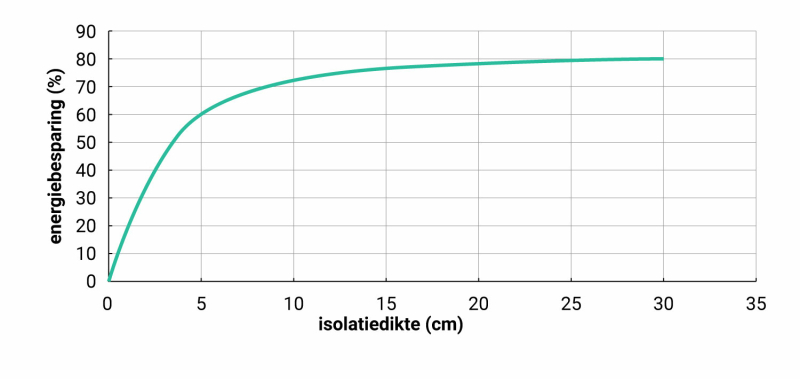
The desired insulation thickness also influences the total investment. The insulation thickness depends on your needs regarding indoor thermal comfort, whether you want to qualify for a subsidy, and the available space. With 14 centimetres of natural insulation material, you achieve an Rd-value of 3.7, which is sufficient to qualify for a subsidy. However, it can, of course, be thicker. Bear in mind that energy saving plateaus after 10 centimetres.
If you choose 14 cm wood fibre insulation, this, together with the existing roof and roof tiles, will keep the heat out for around 10 hours. That's ideal. By the time the heat starts to penetrate, it's night, and the insulation is already cooling down. The heat then penetrates indoors during the night when it has already cooled down and is easier to dissipate with, for example, night ventilation.
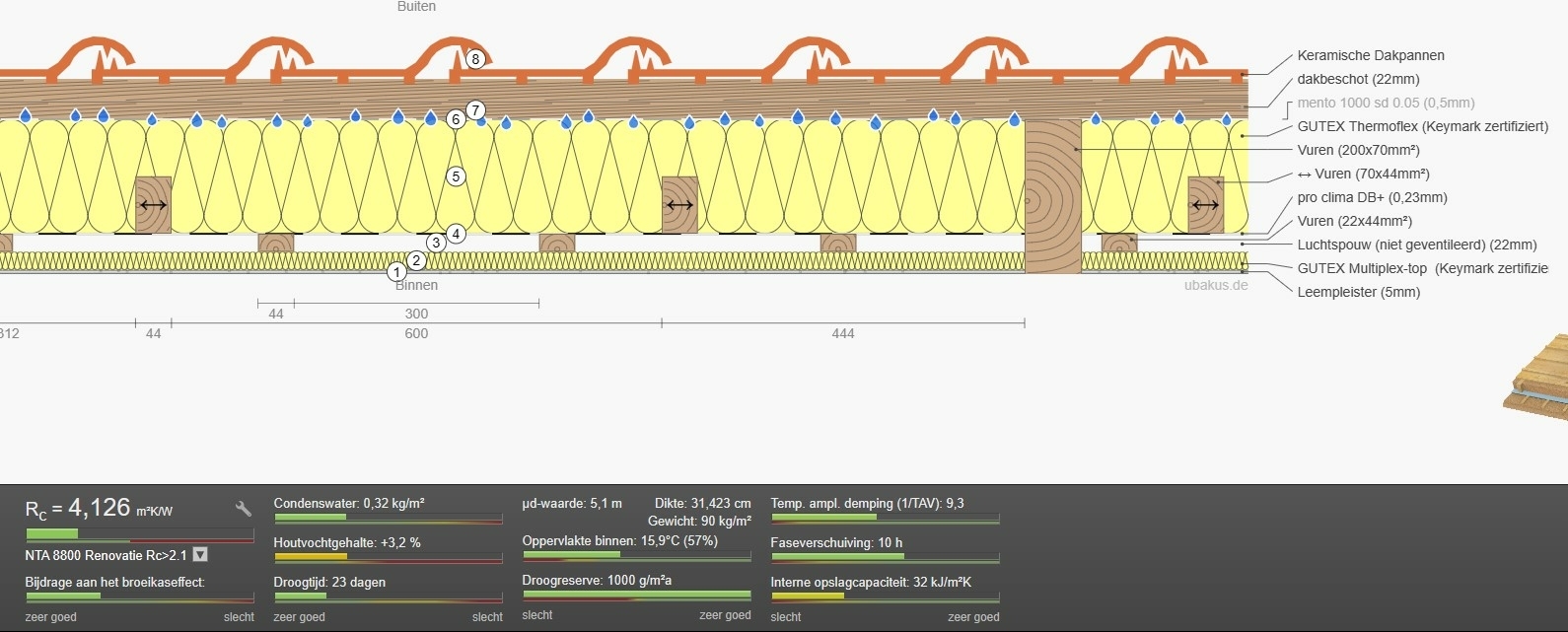
Simulation of the insulation values of 14 wood fibre insulation + 2 cm wood fibre plasterboard using Ubakus
Additional costs for thicker insulation:
- From 14 to 18 centimetres of natural insulation: €8 per m2 extra (€8 material costs, €0 labour costs)
- From 14 to 20 centimetres of natural insulation: €9 per m2 extra (€9 material costs, €0 labour costs)
You pay more for material costs, but in terms of labour, a slightly greater insulation thickness does not make much difference: labour costs remain the same provide it can be done with one insulation mat. If you want thicker insulation but this can only be achieved with two stacked mats, then it will cost more labour.
Please note: wood fibre plasterboard can be included as insulation for subsidy purposes
Are you opting for a wood fibre plasterboard finish? Then you should know that you can include the wood fibre plasterboard as insulation for the ISDE subsidy from RVO. This wood fibre plasterboard does indeed insulate, unlike plasterboard, which does not.
For example, you can achieve an Rd of 3.5 with 12 cm of ecological insulation + 2 cm of wood fibre plasterboard. State 14 cm on the subsidy application and mention that you have applied 12 cm of flexible insulation and 2 cm of rigid board. Also, state the Rd-value of this board.
What should you pay attention to when insulating a roof from the inside?
When insulating a roof from the inside, there are a number of points to consider that will increase the insulating effect and prevent condensation from forming in your structure.
Wind and rain protection on the cold side of your insulation
This prevents your insulation value from being halved because the still air in your insulation is blown out. The rain protection ensures that your roof and insulation do not get wet. Wind and rain protection can be properly managed with roof tiles and an underlay or good roofing of EPDM. Sometimes, for post-insulation, it is necessary to apply an additional foil.
No air gap
Try to prevent air from getting between your insulation and the underlay. Condensation can occur here. So, fill all gaps well. Ecological insulation is perfectly capable of transporting moisture to the outside. But if there is no connection due to air, the moisture will condense.
Airtight
Good airtightness on the warm side prevents your insulation value from being halved by unwanted air movements through your insulation. This "blows" the still air out of your insulation, which is often what insulates. Airtightness can be achieved with special foil and tape or, for example, plasterboards that are plastered. Ensure that the foil and/or finish fit snugly against the walls. Gaps can still allow air to pass through your structure. Tape or seal this thoroughly.
Vapour-retardant on the warm side
Often, the airtight layer on the warm side is also the vapour-retardant layer. This can be achieved with special foil or again with plasterboards, OSB/ESB boards, etc. Ensure that a roof is always more vapour-open towards the cold side. If there is a vapour-proof layer on the cold side, such as: bitumen, EPDM, vapour-proof foil. Then, instead of just vapour-retardant foil, install a climate foil, also known as a variable-permeability foil.