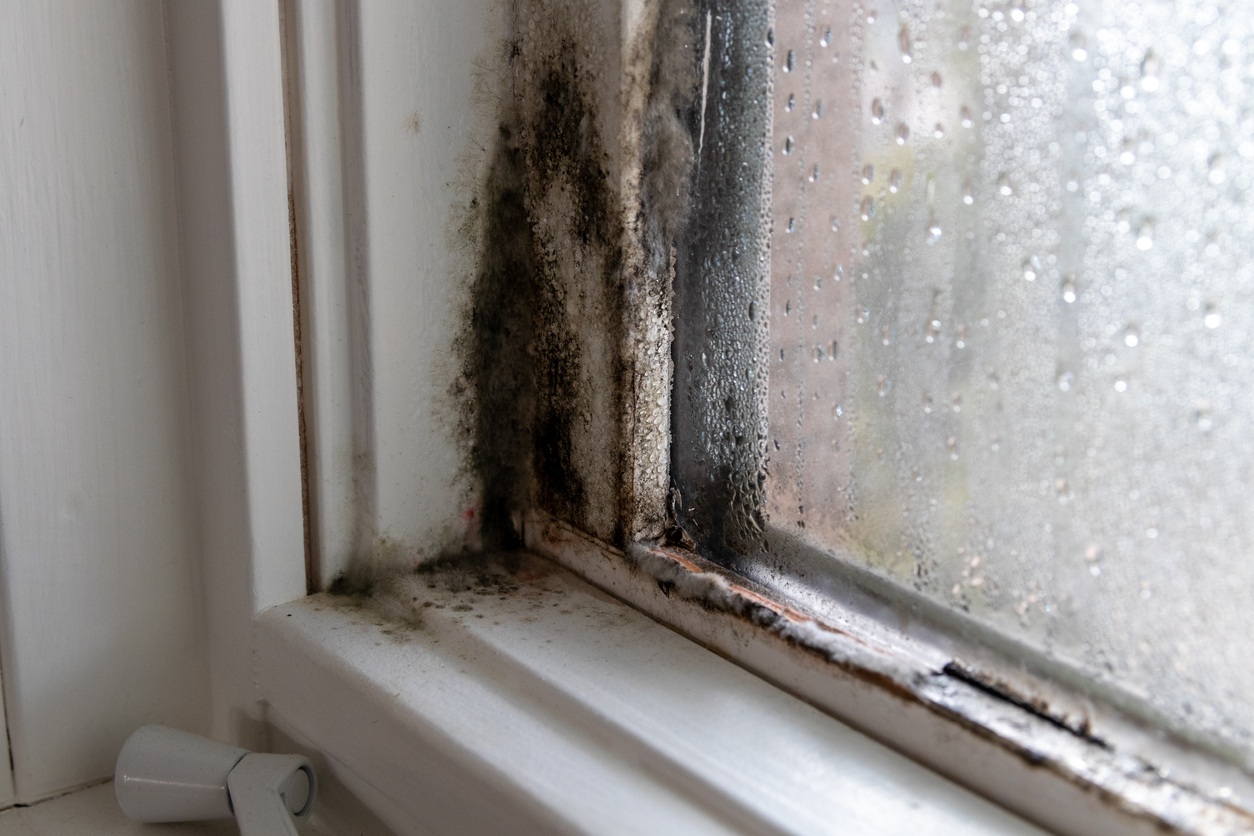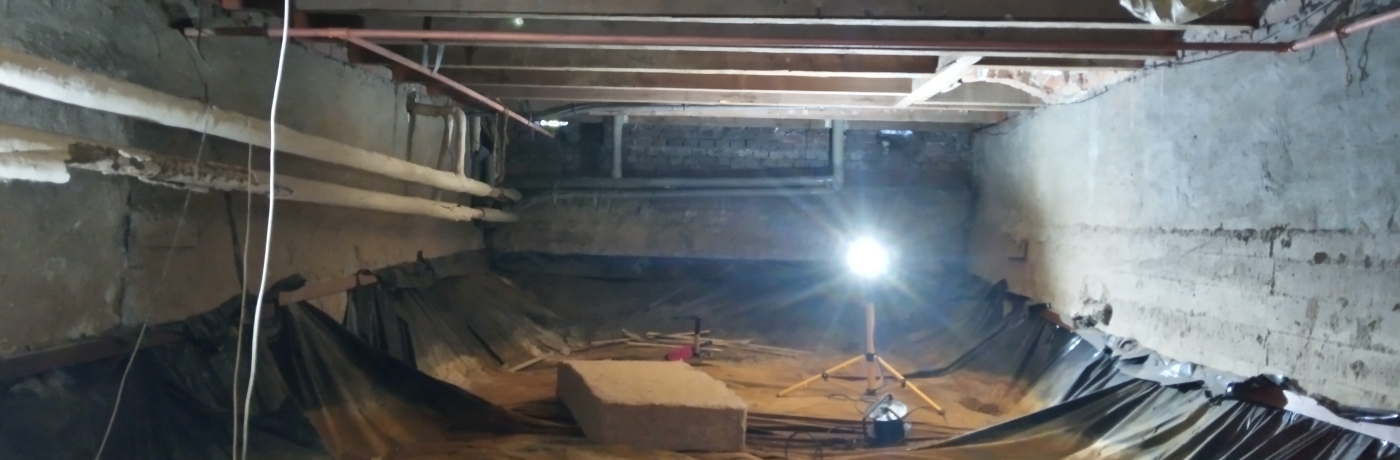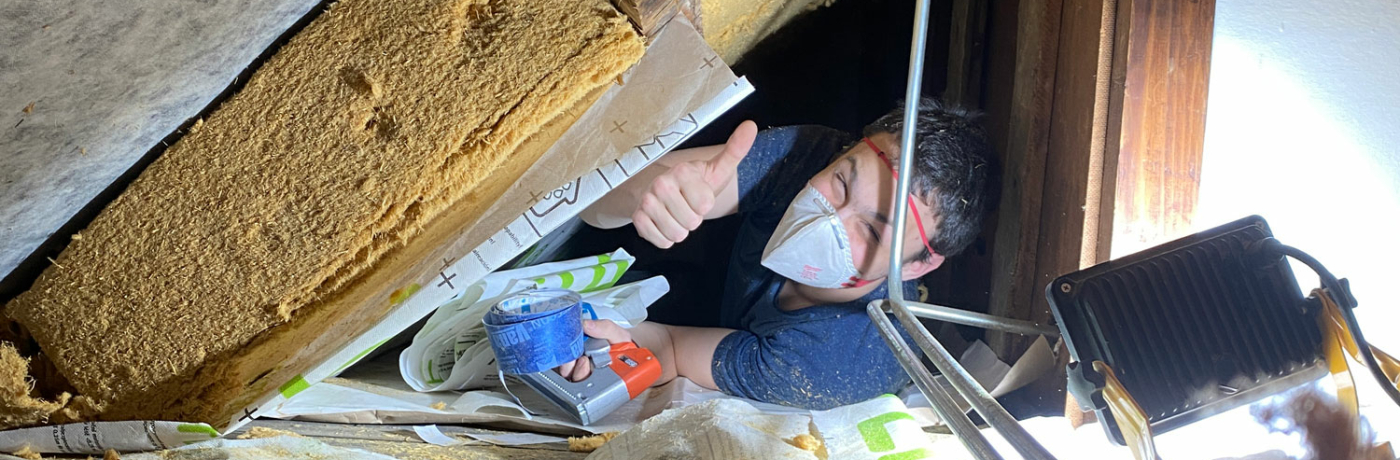
Do you want to insulate your roof yourself to save energy and improve your living comfort? That's a smart choice, because a poorly insulated roof is where you lose the most heat in winter and where most heat enters in summer. However, there are some common mistakes people make when insulating their own roof. These mistakes can undermine the effectiveness of your roof insulation and even cause moisture problems or mold.
At Isoleerbewust, we have several years of experience advising and guiding homeowners in insulating their homes. People often choose to insulate their roof themselves from the inside, as insulating a roof from the outside is much more difficult. We often see the same mistakes being made by people attempting to insulate their own roof – mistakes that can damage your roof and negate the effect of the insulation.
In this article, I will share the 5 most common mistakes when insulating your own roof. For each mistake, I will give you practical tips to prevent them, so you can insulate your roof correctly. After reading this article, you will know exactly what to look out for and can confidently get started yourself. This way, you are assured of a perfectly insulated roof that will do its job for years to come in saving energy and increasing your living comfort.
1. Insufficient preparation and planning
One of the biggest mistakes people make when insulating their own roof is insufficient preparation and planning. Before you start, it is essential to assess the condition of your roof, choose the right materials, and draw up a clear plan.
Assess the condition of your roof
Check your roof for any damage, leaks, or other problems. Repair these before you start insulating. Insulating a damaged roof can lead to moisture problems and reduced effectiveness of the insulation.
Ensure your roof is wind and waterproof
Inspect your roof boarding to ensure it is wind and watertight. If not, ideally resolve this from the outside, perhaps by removing the roof tiles and installing new breathable roof foil on the roof boarding. If you don't have the budget to do this from the outside, ensure the roof tiles make your roof watertight and place the windproof foil on the inside against the roof boarding before insulating.
Choose the right materials
Various types of insulation materials are available, such as glass wool, rock wool, PIR boards, and natural materials like sheep's wool or hemp. Research the pros and cons of each material and choose the most suitable one for your situation. Consider factors such as insulation value (R-value), fire resistance, moisture resistance, and environmental friendliness.
Create a clear plan
Accurately measure the surface area and thickness of your roof and calculate how much insulation material you need. Create a detailed plan with the steps you will follow and ensure you have all necessary tools and materials on hand before you begin.
2. Ignoring ventilation
Another common mistake is ignoring ventilation when insulating the roof. Adequate ventilation is crucial to prevent moisture problems and mold growth.
Insulating is ventilating
Good insulation means airtight insulation. There is then no longer any air exchange through cracks and seams in your roof. Polluted indoor air must then be removed in another way. This can be done with natural ventilation and mechanical ventilation. Often people skip this because it is an extra cost.
Do not create an air gap between insulation and your roof
A common mistake is applying a small gap between the roof boarding and the insulation. This is an old insulation method based on air circulation between the insulation and the roof boarding, which allowed moist air to be removed. However, a gap precisely gives space for moist air to condense. The air circulation and moisture removal must be good. This method also took into account insulation materials like glass wool that cannot withstand moisture well. Now that more and more biobased insulation materials are being used, different principles apply. These biobased insulation materials made of wood fiber and cellulose, for example, can withstand some moisture well. If you place these insulation materials tightly against the roof boarding, any present moisture can be stored and transported.
Install ventilation grilles and ducts before insulating
Install a ventilation system with roof penetration before insulating. Otherwise, you will break the insulation layer and airtight layer.
3. Incorrect placement of the vapor barrier
Incorrect placement or omission of a vapor barrier is a common mistake that can lead to moisture problems in your roof.
Understand the function of a vapor barrier
A vapor barrier is a material that restricts the passage of water vapor. It is placed on the warm side of the insulation (the side adjacent to the living space) to prevent excessive moist air from penetrating the insulation and roof structure.
Place the vapor barrier correctly
Ensure that the vapor barrier fits seamlessly with the walls, windows, and doors. Use special tape to seal seams and overlaps. Be careful not to damage the vapor barrier when installing the finishing touches.
4. Insufficient insulation thickness
Applying insufficient insulation thickness is a mistake that reduces the effectiveness of your roof insulation.
and can lead to higher energy costs.
Know the recommended insulation values
The recommended R-value (insulation value) for roof insulation varies depending on the climate and energy performance standards in your region. In the Netherlands, an Rd-value
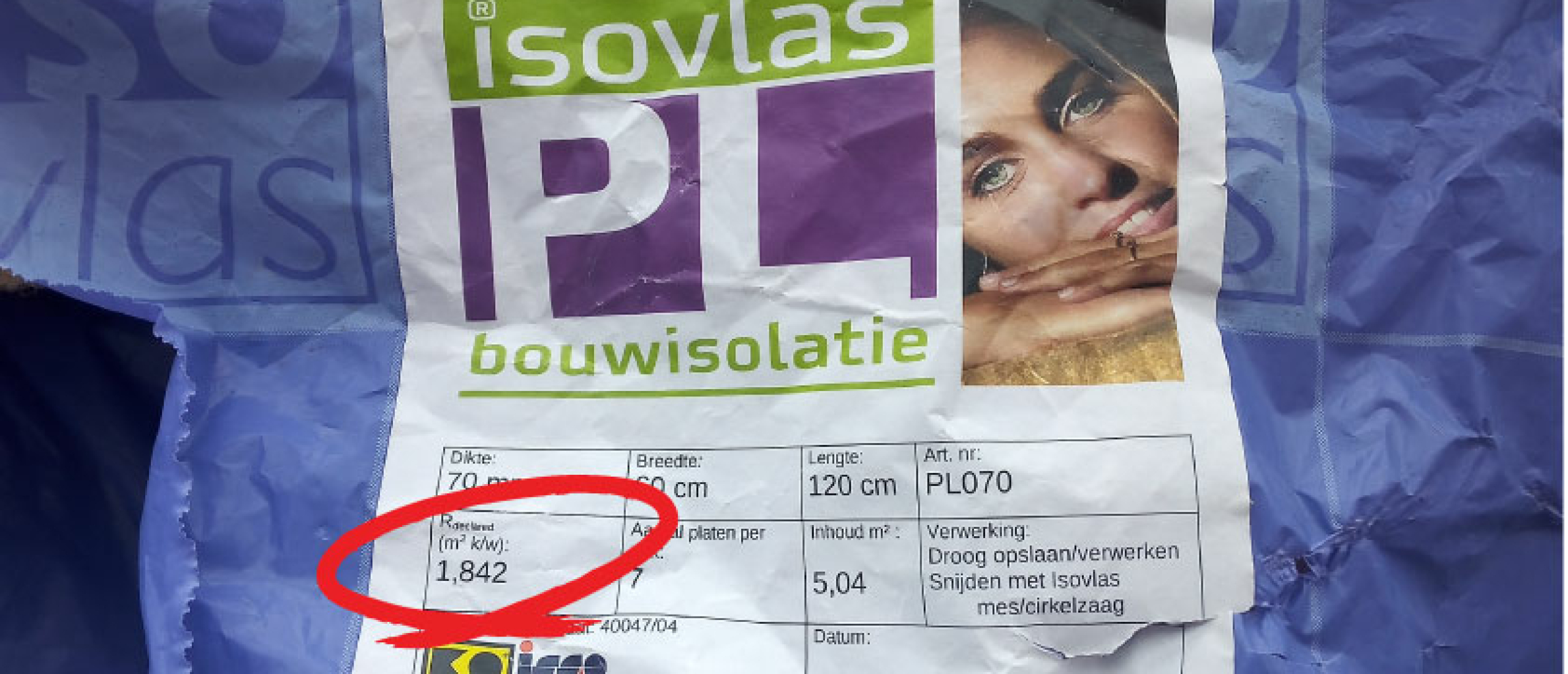
of 6 or higher is usually maintained for new construction roof insulation. This corresponds to an insulation thickness of approximately 20-25 cm, depending on the chosen material. For renovation, it is advisable to choose an Rd-value of 3.5-6. And choose a phase shift (how long heat takes to pass through the material) of ideally 8-12 hours.
Take existing insulation into account
If your roof is already partially insulated, check what insulation material has been used, measure its thickness, and determine the R-value of the existing insulation. If there is already synthetic insulation on the outside and you want to insulate on the inside? Then I recommend having a Wufi analysis performed by Pro Clima. This simulates moisture, etc., over the next 50 years to see if moisture problems arise in your roof.
5. Incorrect placement of the insulation
Incorrect placement of insulation can lead to heat loss, drafts, and moisture problems.
Prevent unwanted air pockets
Ensure that the insulation fits seamlessly with the roof structure and that there are no unwanted 'air pockets'.