Yes, partial insulation with inner walls can pose risks, but only in specific situations. It mainly depends on where, how much, and how well you insulate.
Below are the main mechanisms and points to consider.
1. Thermal bridges and edge zones
If you insulate one facade or room and not the adjacent parts:
the uninsulated wall remains cold
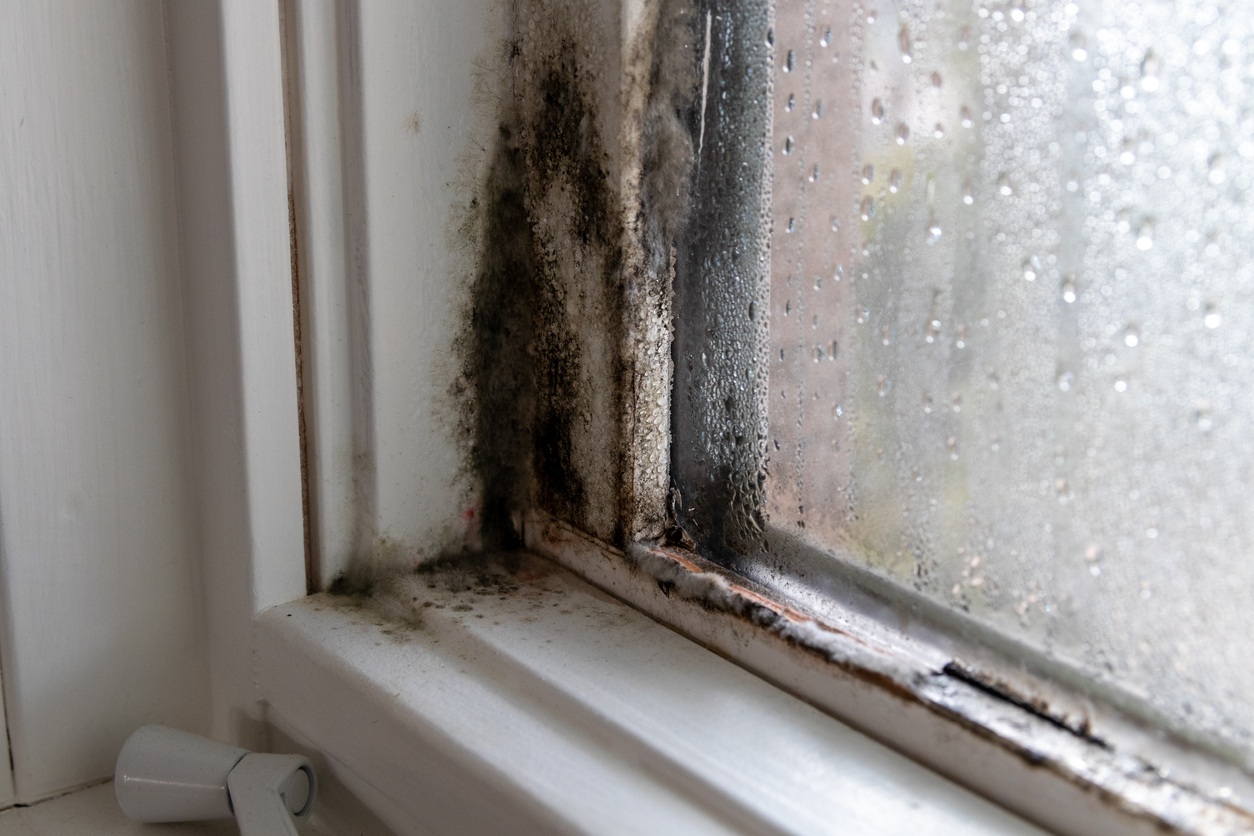
moisture from the indoor air can condense there
mold can form at connections (corners, ceiling connections)
Typically: top edge of inner wall, side wall at interior wall, floor/ceiling connection.
Rule of thumb:
the greater the contrast between the insulated and uninsulated part, the greater the risk.
2. Shifting dew point
With an inner wall, the existing wall becomes colder.
If you only do a part:
insulated part → wall colder
adjacent part → wall warmer
At the transition, the dew point can fall within the construction.
With biobased vapor-permeable systems, this risk is much smaller, but not zero.
3. Airflows behind the inner wall
With partial inner walls, convection sometimes occurs:
warm air creeps behind insulation
cools against cold uninsulated zones
hidden condensation
This is mainly seen at:
connections to interior walls
ceilings
socket zones
4. Comfort and energy effects
No damage, but noticeable:
cold radiation from uninsulated walls
temperature differences per room
less energy gain than expected
This is often heard from residents:
“that one wall feels warm, the rest still cold”
When is partial insulation safe?
In practice (including with biobased solutions), partial inner wall insulation is usually fine if:
you insulate complete facade surfaces (not half walls)
you extend thermal connections (±30–60 cm around the corner)
you use a vapor-permeable, capillary-active system
you ensure airtightness
This is precisely why wood fiber/cellulose inner walls are so forgiving.
When is the risk greater?
only a small section of wall behind a sofa/bed
one room in an otherwise cold house
solid cold exterior wall + vapor-impermeable finish
poor airtightness
concrete lintels / floor bands not included
Important insight
The real risk is not in “partial insulation” but in:
temperature jumps and air paths at transitions
Practical advice (Isoleerbewust biobased inner walls)
If you advise homeowners:
always include 30–50 cm of adjacent walls
also insulate lintels/beam ends
ensure an airtight connection at the top and sides
avoid vapor-impermeable layers locally
Summary
Yes, risks exist
but mainly with poor detailing
biobased vapor-permeable systems significantly reduce it
transition zones determine everything