Insulation materials come in various forms and types. For example, there are ecological insulation materials
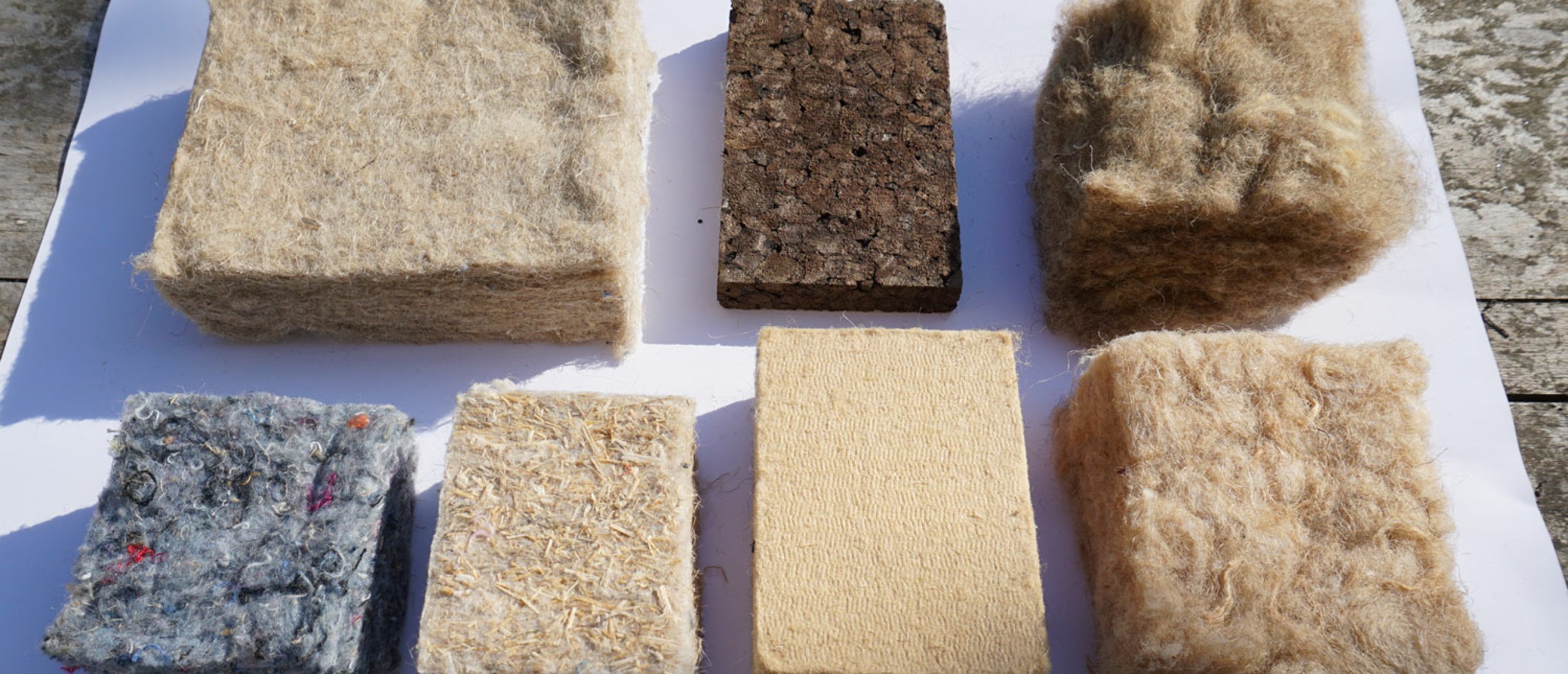
derived from agriculture or forestry, as well as insulation materials originating from petrochemicals or mineral sources. You might be struggling to choose the right insulation material and are unsure which option is beneficial for both yourself and the planet.
If you're looking for insulation, you might be asking yourself which type works best for you and your home or building. And while it's great to have so many options, such as mineral wool, flax, PIR, it can also be overwhelming to weigh all the pros and cons of each type of insulation.
Fortunately, there isn't just one answer for every building, giving you the freedom to explore available options, ask questions, and ultimately make a choice based on factual research.
We believe it's important to provide a fair comparison of everything you need to know about ecological, mineral, and synthetic insulation materials, making your decision easier.
In this article, we will discuss:
- Important considerations to keep in mind before choosing
- The advantages and disadvantages of ecological insulation
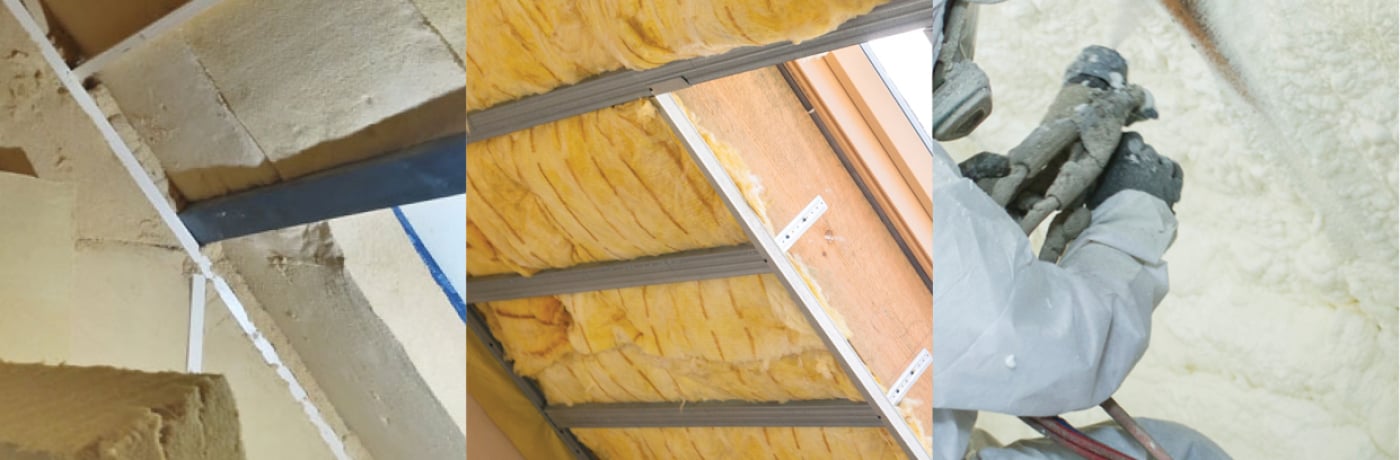
- The advantages and disadvantages of mineral insulation
- The advantages and disadvantages of synthetic insulation
What to consider before choosing the right type of insulation material for you?
The tables below can help you determine your choice of insulation materials. They show the main differences between insulation materials by category. For instance, are you prioritizing environmental friendliness, or is a high fire resistance class important to you? The rest of this chapter delves deeper into the advantages and disadvantages of each type of insulation material.
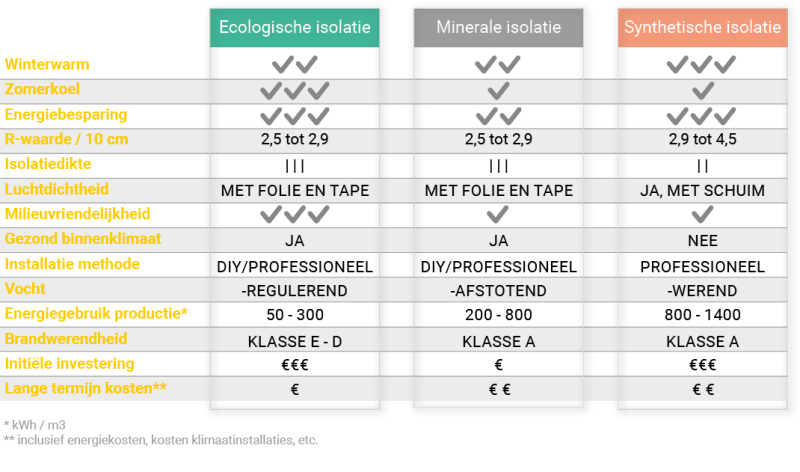
...but before you choose, consider this
The choice of insulation material also impacts your home if you insulate the interior. This means that with ecological and mineral insulation, the insulation thickness is greater than, for example, with a synthetic PIR board, assuming the same R-value. A greater insulation thickness under a wooden floor or between wooden roof structures will result in little to no loss of living space, but it will affect interior wall insulation. The choice of insulation type therefore also depends on your home and what is feasible. It may happen that not every R-value is achievable everywhere, and ecological or mineral insulation may not always be applicable due to lack of space. So, in some areas, to preserve space, your choice might be different. It could also be that maintaining as much saleable floor area as possible is important to you.
Building physics
The location that needs insulation partly determines which product is best to use. Do you need an insulation material that breathes so that the insulated wooden structure does not rot if moisture enters it? Or do you need moisture-resistant insulation material in a damp room like the bathroom so that the insulation material doesn't get soaked? Therefore, you might have to deviate from your primary choice in certain spots to ensure good insulating performance without potential damage over time.
Ecological Insulation Materials
When it comes to ecological versus mineral and synthetic insulation materials, ecological insulation is easily the more complex option, requiring specific techniques, experienced installers, and more necessary components and parts to succeed. That being said, ecological insulation is actually more common than you might think or observe. Besides being CO2-positive, it actively contributes to a healthier and more comfortable indoor climate. Let's delve deeper into the advantages and disadvantages of this insulation material.
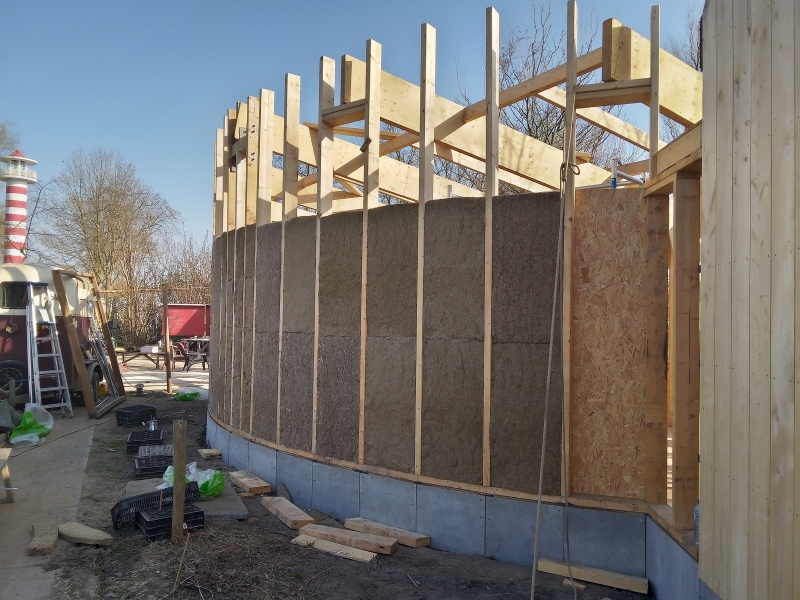 Grass fiber insulation
Types of ecological insulation materials
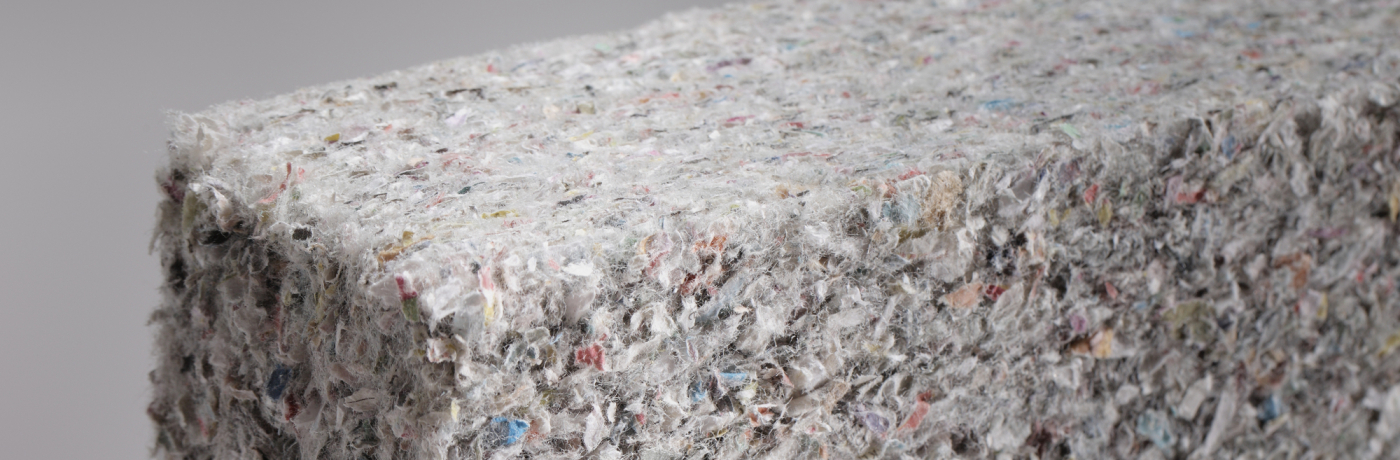
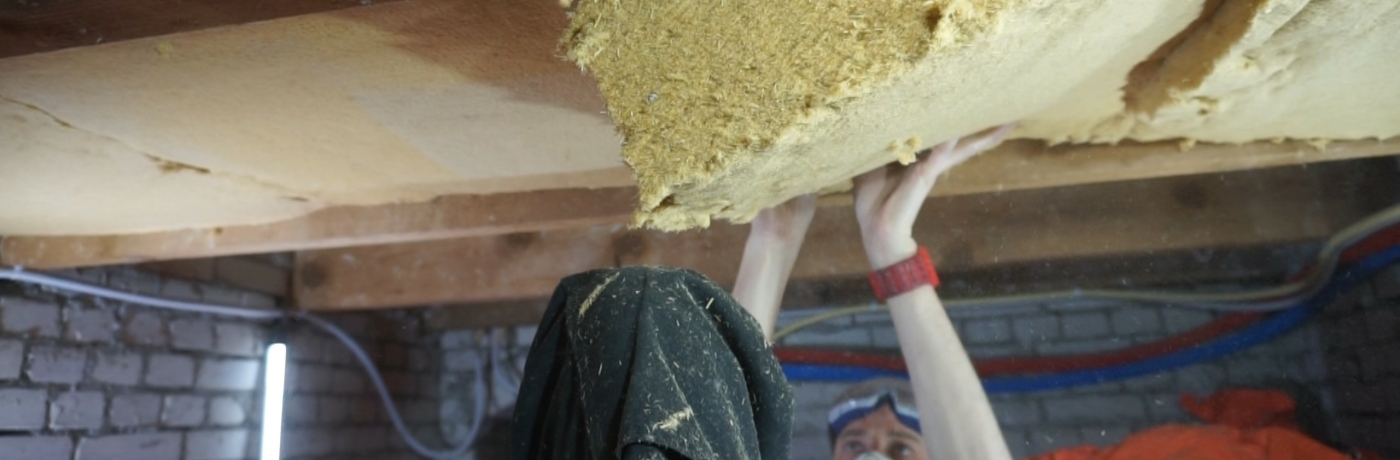
Natural insulation materials, or ecological insulation materials, are made from renewable and cultivable raw materials, thus enabling the complete closing of raw material cycles. These insulation materials are compostable, recyclable, or suitable for reuse. There is also CO2 storage in the plant-based materials because the plants as raw material absorb CO2 from the air. Natural insulation materials include: flax insulation
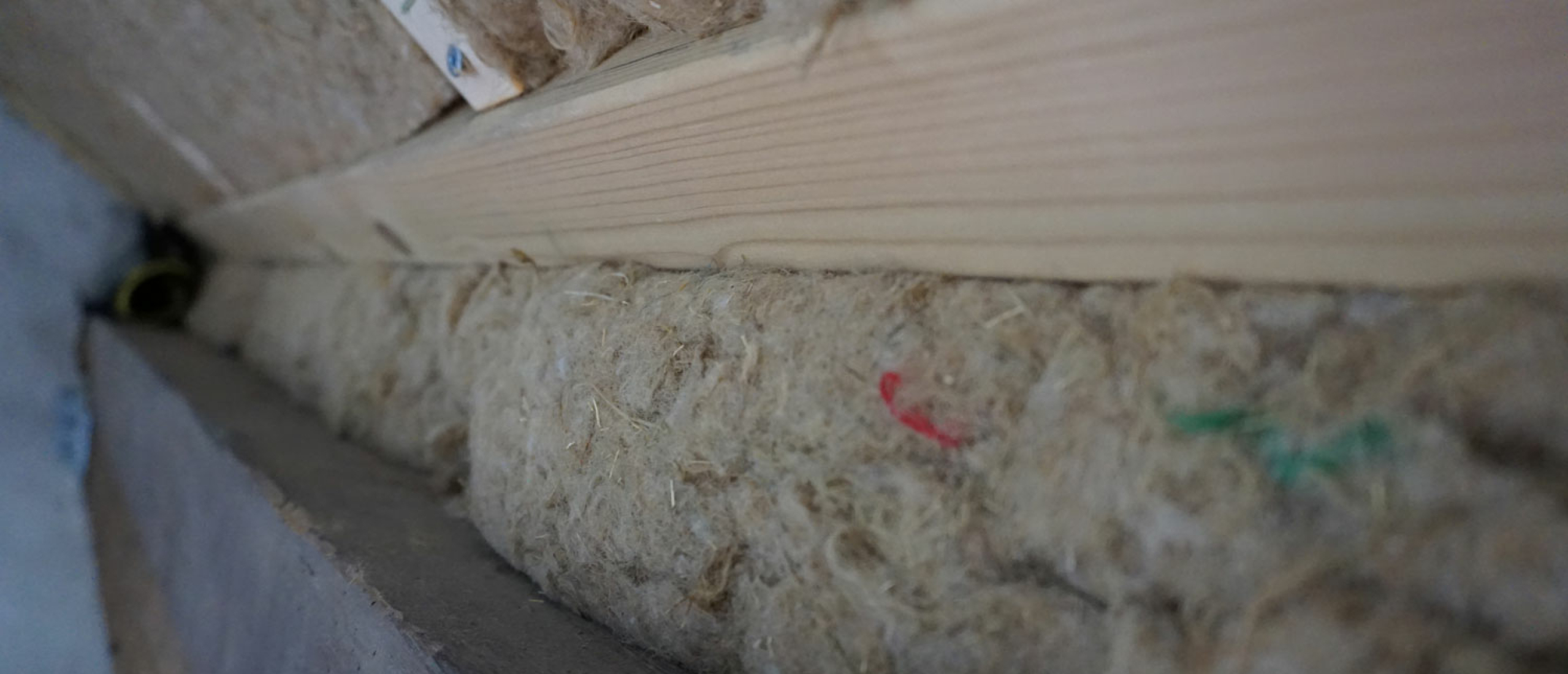
, hemp insulation, wood fiber insulation
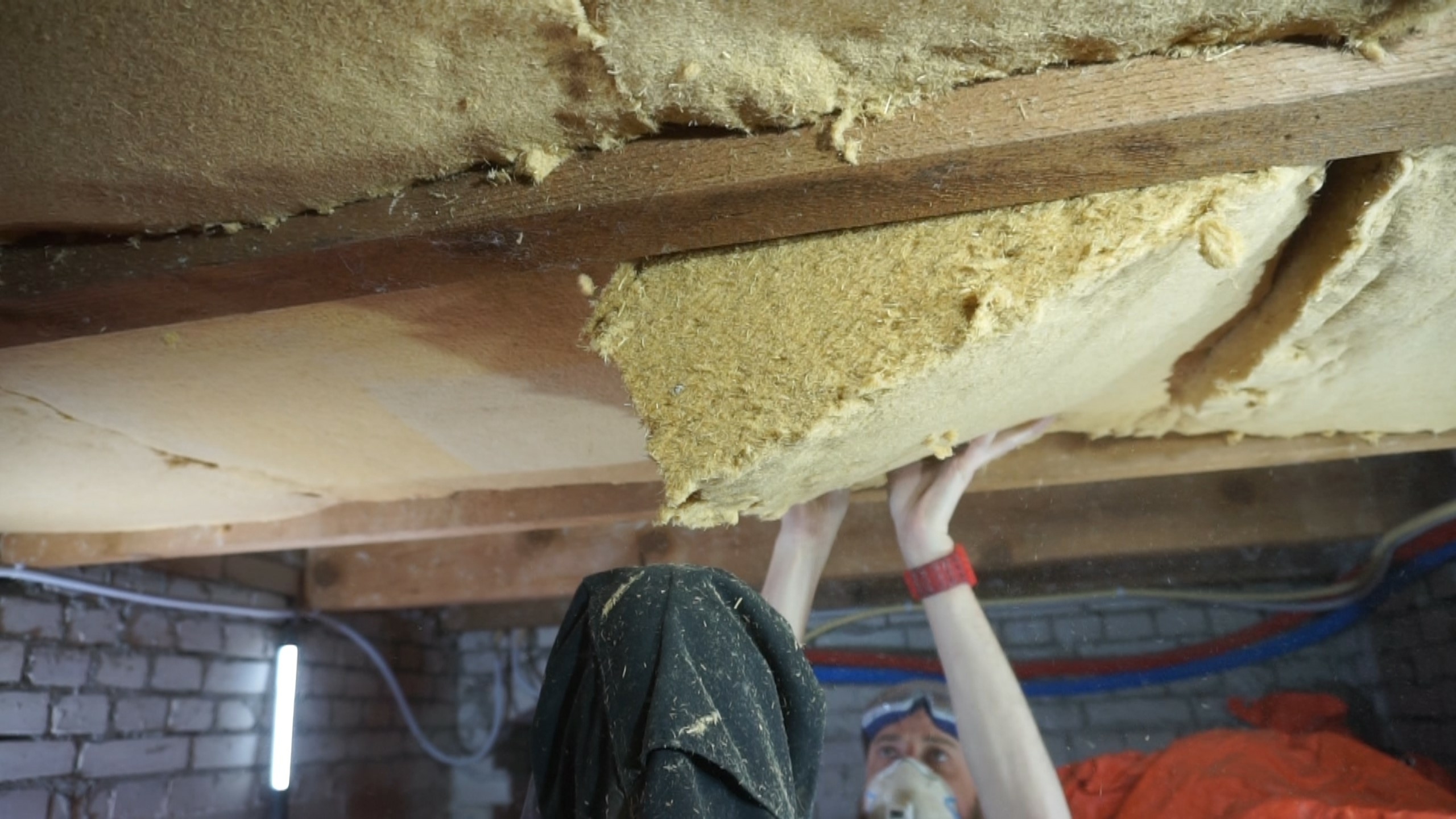
Wood fiber insulation is a relatively new type of insulation material that is growing in popularity due to its sustainability and environmental friendliness. Wood fiber insulation has good thermal insulation value and good..., sheep wool insulation, cellulose insulation, cork, and straw. They almost always have a plant-based origin, with the exception of wool.
The advantages of ecological insulation materials
✅Lower long-term costs
Although ecological insulation material may cost more to purchase, it pays for itself in the long run by also insulating against heat from outside in summer, reducing the frequency of illness due to the healthy indoor climate, preventing moisture and mold spots, and the associated costs.
✅Contributes to a healthy indoor climate
One of the biggest differences you will notice yourself with ecological insulation is the healthy and stable indoor climate. Because ecological insulation materials can buffer and transport moisture to the outside and potentially release it back into the indoor air when it becomes drier, this ensures more stable humidity. This contributes to a healthy and pleasant indoor climate. Additionally, these insulation materials contain no harmful substances for your health.
✅Keeps heat out longer
Because ecological insulation materials have a high heat storage capacity
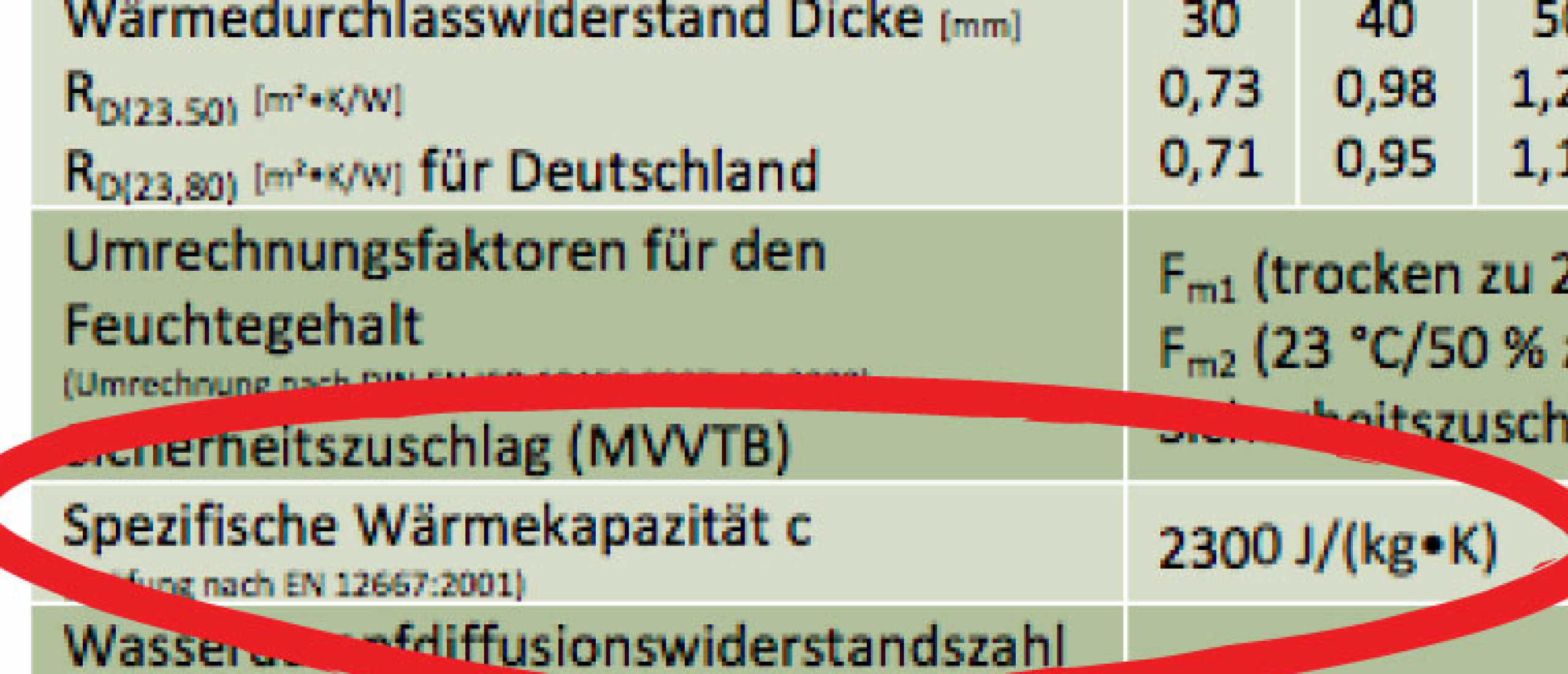
and a relatively high density, heat from outside accumulates in the insulation materials on hot summer days, making it harder to penetrate indoors. This occurs because the heat loses its energy in the natural fibers where it is used to evaporate existing moisture.
✅CO2-positive
Because most ecological insulation materials are of plant origin, they store CO2 as they grow. For example, trees store a lot of CO2, and fiber hemp even more, as it can grow up to 3 meters tall in 4 months. These ecological insulation materials are harvested, processed, and transported where