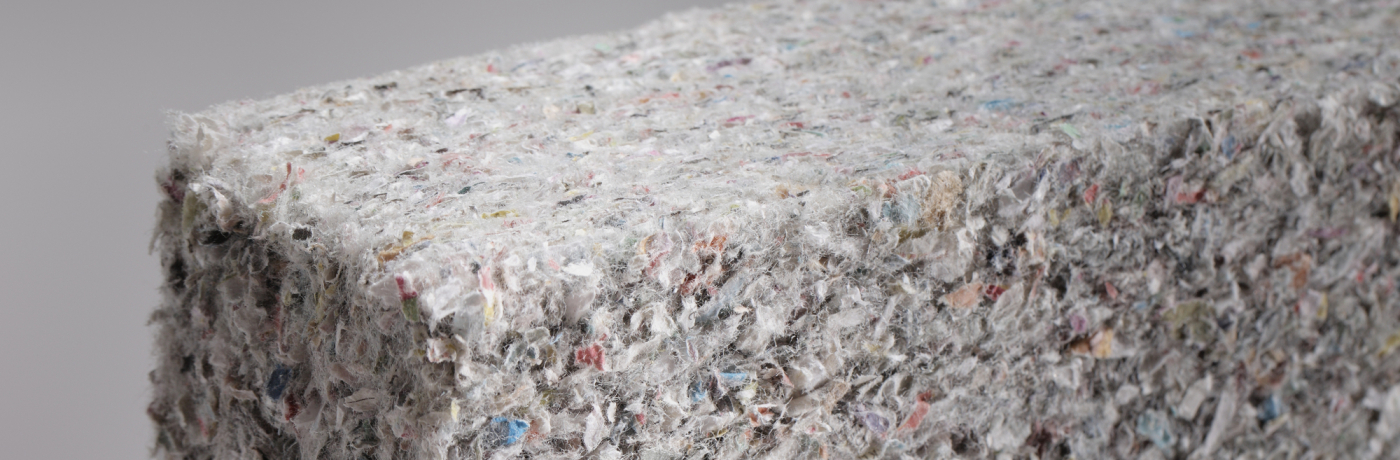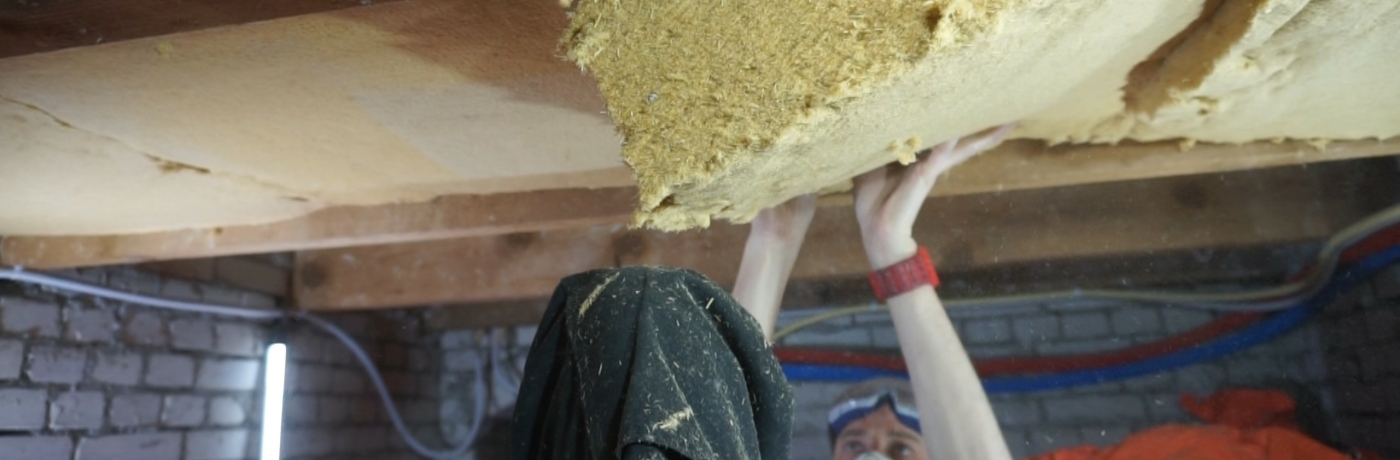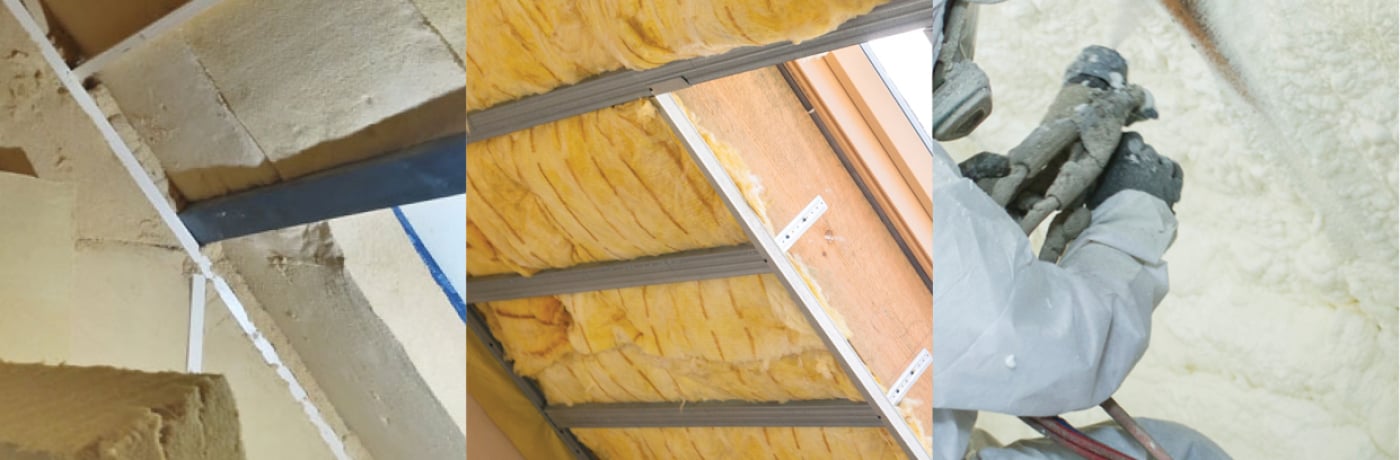
You have a gap in your house that you want to seal. You immediately think of PUR foam: what a miracle product. What more could you want? Well, it's not so good for your health and the environment. You're looking for an alternative. Because gap sealing is an easy way to save a lot of energy.
Gaps and seams can be found, among other places: around window frames, windows and doors, under the windowsill, the connection between a sloped roof and floor, roof penetrations such as chimneys, pipe penetrations in the meter cupboard, at the mailbox, with wooden floors, and at the crawl hatch. You often lose a lot of heat here, sometimes noticeably and sometimes imperceptibly.
Good to know: we install ecological insulation, but that doesn't mean that 100% ecological material is always the best. That's why we list 7 alternatives to PUR foam, so you can decide what the best choice is for your specific situation. Most of the alternatives are vapor-open, and half are made from natural raw materials.
1. Stopwool
Do you have gaps from 1 to 6 centimeters? Then stopwool made from sheep's wool is a good option. It is an ancient product for thermal and sound insulation. It has been made resistant to moths and insects with natural substances. Stopwool is also one of the better options if some moisture might enter the gap or seam. Stopwool can absorb 30% of its own weight in moisture without losing its insulating value.
You can seal quite a few gaps and seams with a 5 kg box.
Advantages:
- it does not stick or irritate the skin, unlike PUR
- it feels and smells very pleasant
- easy to stuff into gaps and seams with your fingers or a putty knife
- reusable and compostable, unlike PUR (which is barely removable and chemical waste after use)
Disadvantages:
- not yet available at local hardware stores
- still needs to be made airtight on the inside with spray, tape, or foil
- can withstand some moisture but should not get soaking wet
Where to buy stopwool
2. Spray Cork
Are your gaps smaller than 2 centimeters? Then spray cork is a good option. The name says it all. It's cork that is sprayed. It consists of cork granules and a flexible binder. It is easy to apply by hand or with a spray gun. Excess cork can be wiped away. After curing, spray cork can be sanded and painted over.
Spray cork is not yet widely used in the Netherlands, but it is in our neighboring countries.
Advantages:
- easy to apply with a spray
- easy to fill gaps
- very resistant to moisture
- pressure resistant
- becomes (semi)hard and thus pressure resistant for painting, wallpapering, and plastering
Disadvantages:
- not yet available at local hardware stores
- cork is a slow-growing tree species
- drying time can be up to 24 hours
- requires a special spray gun
- slightly more difficult to remove
- clearly visible against white window frames due to its typical cork color
- it smells like rubber for a long period
Where to buy spray cork
Wuerth (spritzkork)
Kurkwinkel24 (including applicator gun)
3. Hemp Caulk
Hemp caulk, also known as hemp wool or hemp fiber, is made from industrial hemp and is pressed into the joint. It is compacted enough to prevent air movement. In English, there is 'oakum', tarred fibers formerly used for sealing joints in wooden boats. It is also used to make traditional Scandinavian log cabins airtight with rope made from materials like hemp.
Advantages:
- it does not stick or irritate the skin, unlike PUR
- easy to stuff into gaps and seams with your fingers or a putty knife
Disadvantages:
- often still needs to be made airtight on the inside with spray, tape, or foil
Where to buy Hemp Caulk
4. Airtight Tape
Will the gaps be invisible later due to finishing? Then you can also use airtight (or air-sealing) tape. Manufacturer Pro Clima, among others, has a whole range of airtight tapes for an airtight connection between different surfaces. Besides Pro Clima, several other companies also produce airtight tape. Isoleerbewust itself has good experiences with Pro Clima.
Advantages:
- adheres well to almost all surfaces
- cost-effective option
- once firmly attached, it can get wet
- can be plastered over directly
Disadvantages:
- difficult to remove
- adheres less well to older and damp mineral substrates
- not suitable for gaps that will remain visible
- only available in rolls from 30 meters
Where to buy airtight tape
5. Airtight Foil
Are the joints and gaps larger than 6 centimeters? Then you can also use airtight foil and tape it all around with airtight tape. There are foils from Pro Clima, among others, for both the cold side and the warm side.
Advantages:
- easy to staple and tape
Disadvantages:
- not ecological
- cannot be plastered
- only available in rolls from 75 m2, so you'll likely have a considerable amount left over
- not suitable for gaps that will remain visible
Where to buy airtight foil
6. Airtight Spray
If you're looking for convenience and your gaps are no larger than 3 millimeters, then i