Ecological insulation materials, also known as natural insulation materials or biobased insulation materials, are generally made from plant fibres such as: hemp, flax, wood, algae and grass. In addition, sheep's wool, cellulose, cork, and straw, for example, can also be used as ecological insulation material. With the product development of natural materials into, for example, insulation mats and boards, it seems to be on the eve of a large-scale reintroduction and thus breaking away from the self-build niche.
What types of ecological insulation materials are there?
Here we discuss the most common ecological insulation materials. Most of these insulation materials are vapour-open and naturally provide good moisture regulation. Most of these materials are available in mats, rolls, or boards:
- hemp
- flax insulation
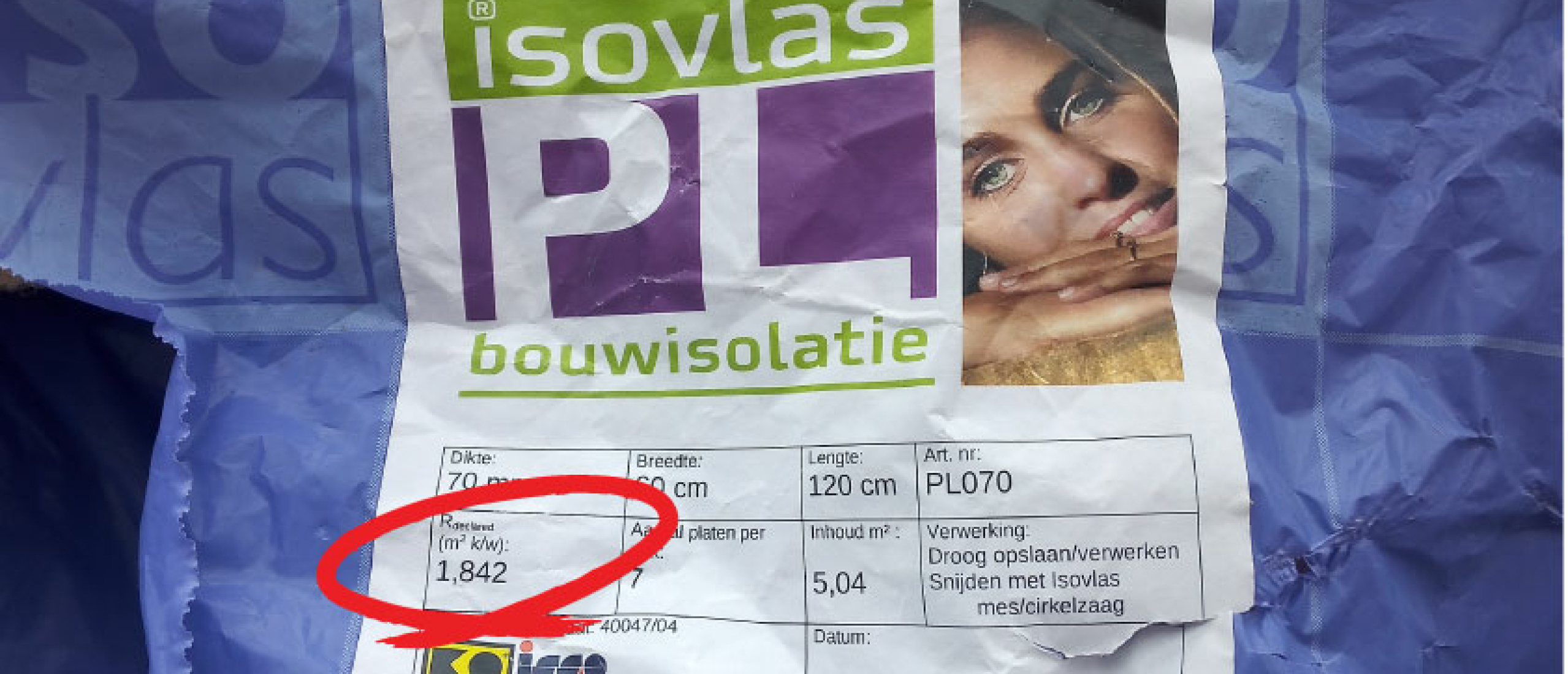
What is flax insulation? Flax insulation is a residual product from the linen industry. Among others, the company Isovlas produces this type of insulation material. Flax insulation is one of the best-known natural..
- cellulose
- wood fibre insulation
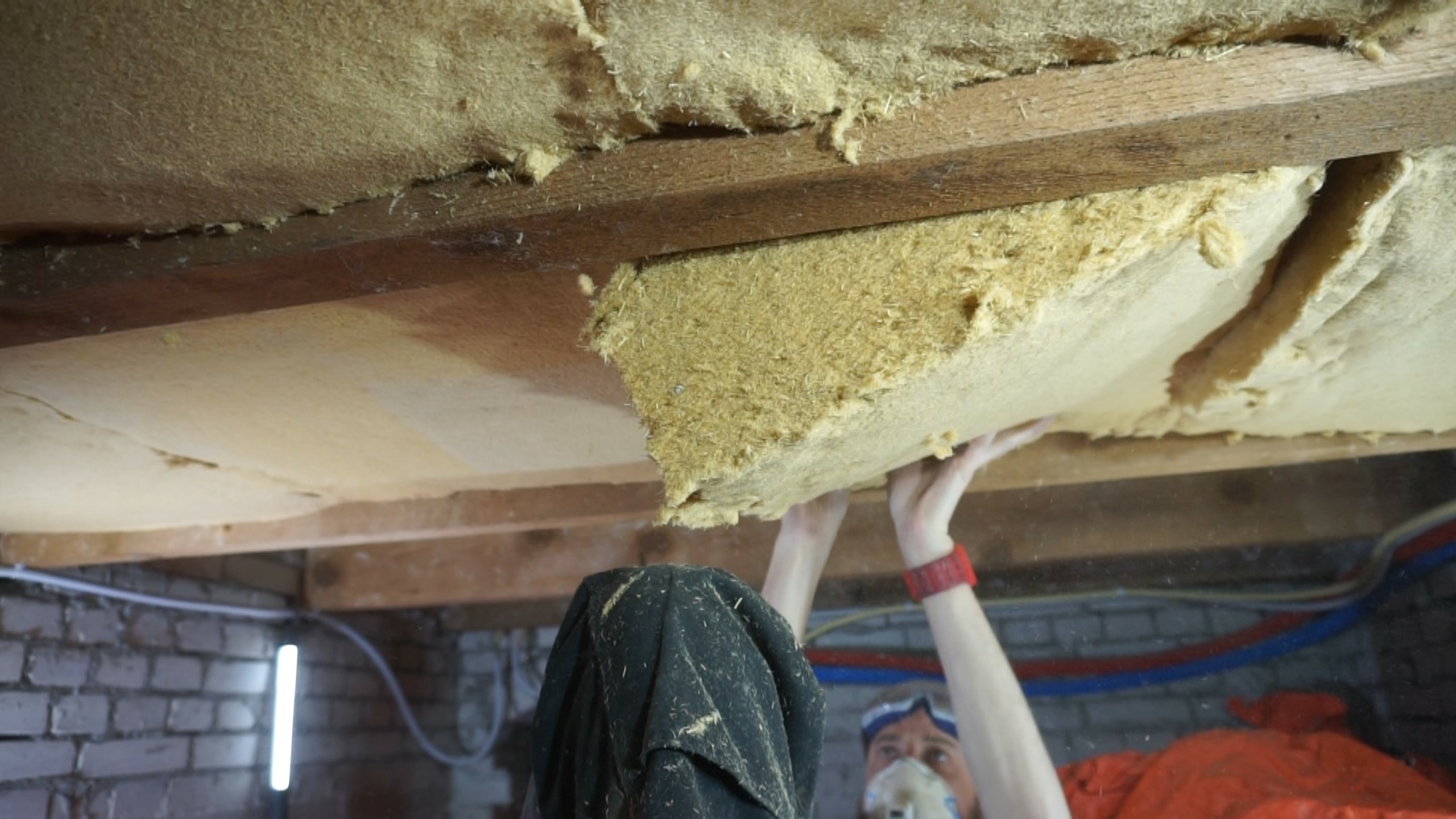
Wood fibre insulation is a relatively new type of insulation material that is becoming increasingly popular due to its durability and environmental friendliness. Wood fibre insulation has good thermal insulation value and good..
- grass fibre insulation
- sheep's wool
- straw
- textile
Some are also available as blown-in insulation in the form of flakes:
- cellulose
- wood fibres
 A number of ecological insulation materials, from top left to bottom right: hemp, cork, sheep's wool, textile insulation, flax board, wood fibre and flexible flax mat
Hemp Insulation
Hemp insulation is made from fibre hemp, which is a fast-growing annual plant. Fibre hemp absorbs the most CO2 during growth. Even more than forest. It does not need fertilisers or pesticides and is a soil improver due to its long roots. Not to be confused with cannabis plants.
Among other products, flexible insulation mats are produced in Groningen by Hempflax. They use the bast fibre of fibre hemp for this. Jute fibres are incorporated for binding.
In addition, there are also hemp-lime blocks, which are produced by Isohemp in Belgium, among others. For this, they mix the woody core of fibre hemp with lime. In terms of material costs, the blocks are four times more expensive than flexible insulation mats with the same Rd-value
. To achieve an Rd-value of 3.5, you need a thickness of 250 mm. That is about 100 mm thicker than the insulation package with mats. But then you have a 'masonry' wall that does not require additional construction, foil, etcetera. The hemp-lime blocks can also be mortared against existing damp walls. Plastering can also be done directly on the blocks.
Flax Insulation
Flax insulation is a residual product from the linen industry. Among others, Isovlas produces this in Poland and also sells it in the Netherlands. As of 2021, it is often the cheapest among flexible and ecological insulation mats. Flax insulation mats consist of more than 80% flax fibres. Synthetic fibres are added for binding and fire retardants. Isovlas has also launched flax insulation as roofing elements, featuring flexible flax insulation mats with a finishing layer on the inside and outside, including foils.
 Flax insulation as roof insulation between roof construction.
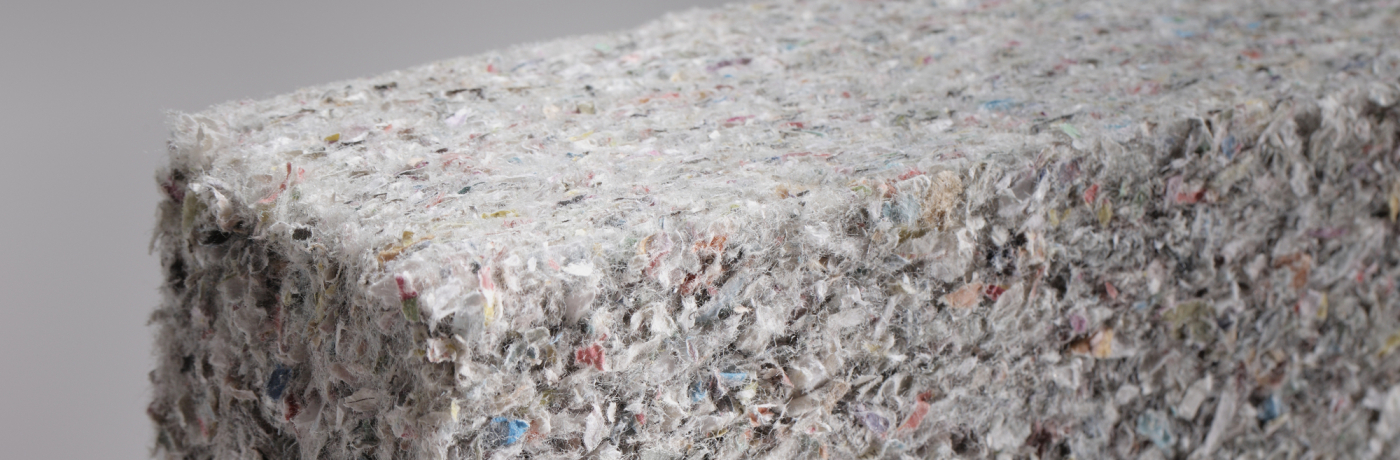
Cellulose Insulation
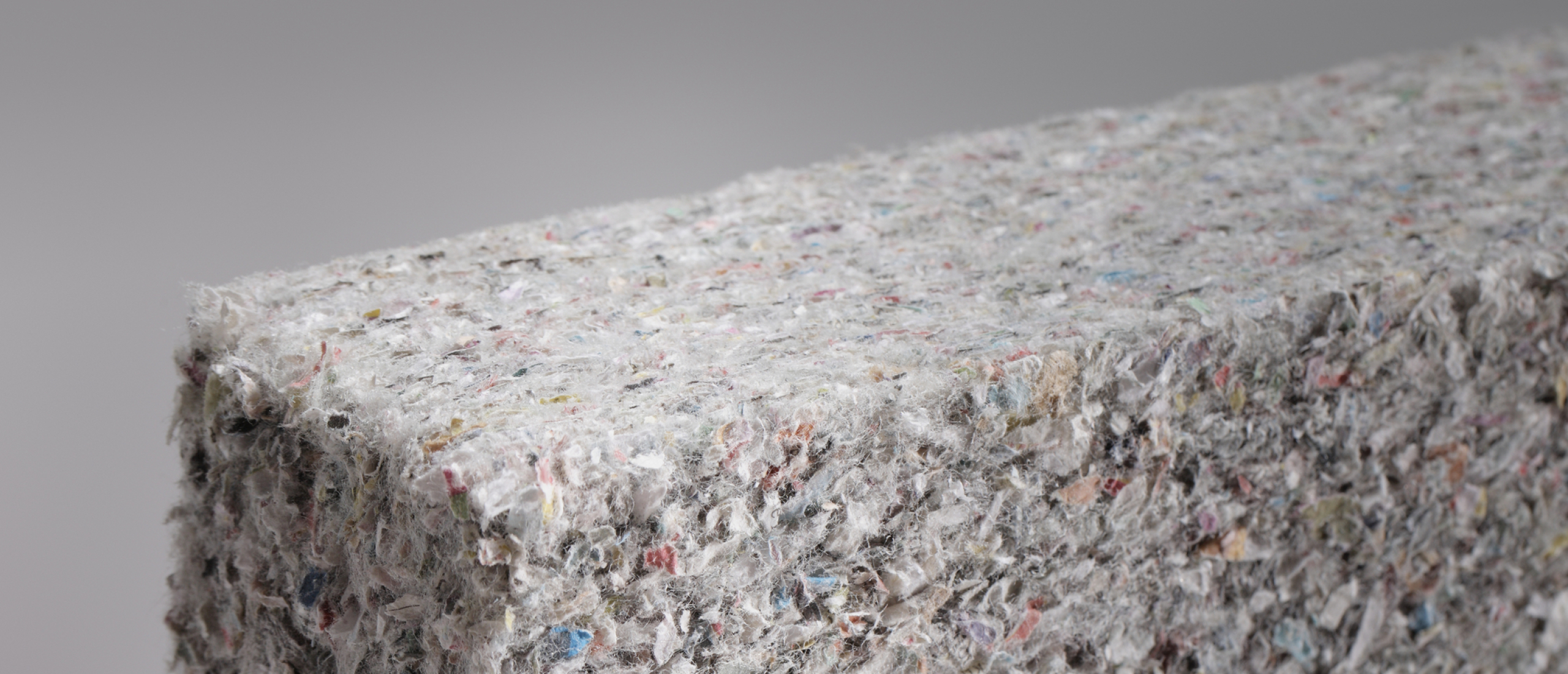
is made from paper flakes from old newspapers and mechanically blown into wooden constructions (roofs, floors and walls). It is a quick insulation method because you blow insulation through holes in your floor or ceiling into empty spaces in your floors. If necessary, you can place a sturdy foil between floor joists with battens (wooden laths, which serve as a base for a wall or ceiling covering) so that the blown-in insulation can be blown between the floor and the foil. The ecological variants are not yet blown into cavity walls due to the risk of moisture. Fire retardants are added that also prevent mould.
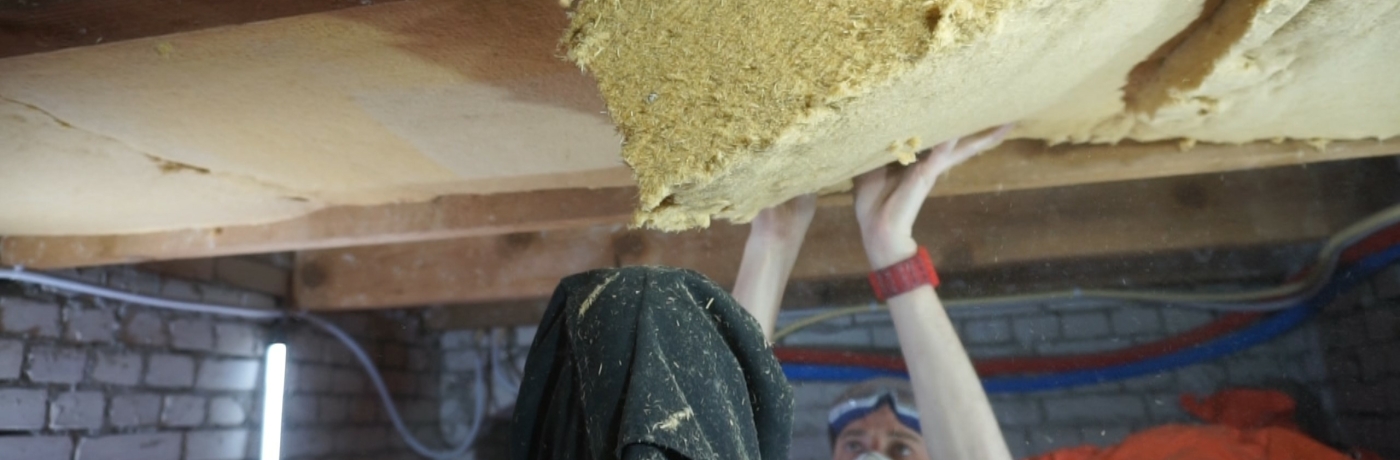
 Cellulose is being blown into the attic floor here by Warmteplan via the ceiling.
Wood Fibre Insulation
Wood fibre insulation is made from residual streams from sawmills. The wood comes from sustainably managed forests in Europe. Wood fibre insulation has a high heat storage capacity
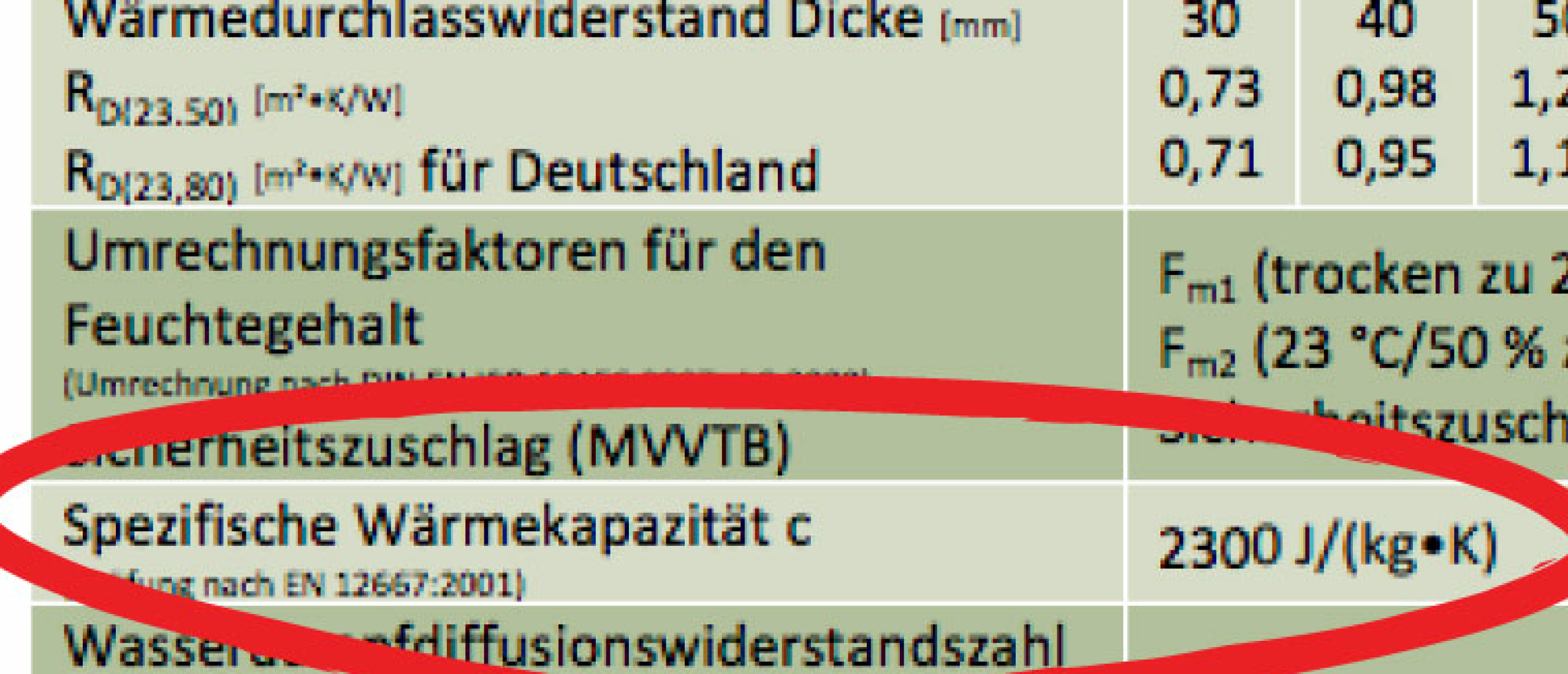
, is vapour-open and is easy to process. It costs around €20.00 per m2 at a thickness of 14 cm and an Rd-value of 3.85.
You can get wood wool insulation in rigid and flexible forms. The rigid boards from, for example, the Gutex brand such as the Thermoroom type, can be plastered directly. Lignin, the wood's own substance, is used as a binder. There is also harder and thinner wood fibre board
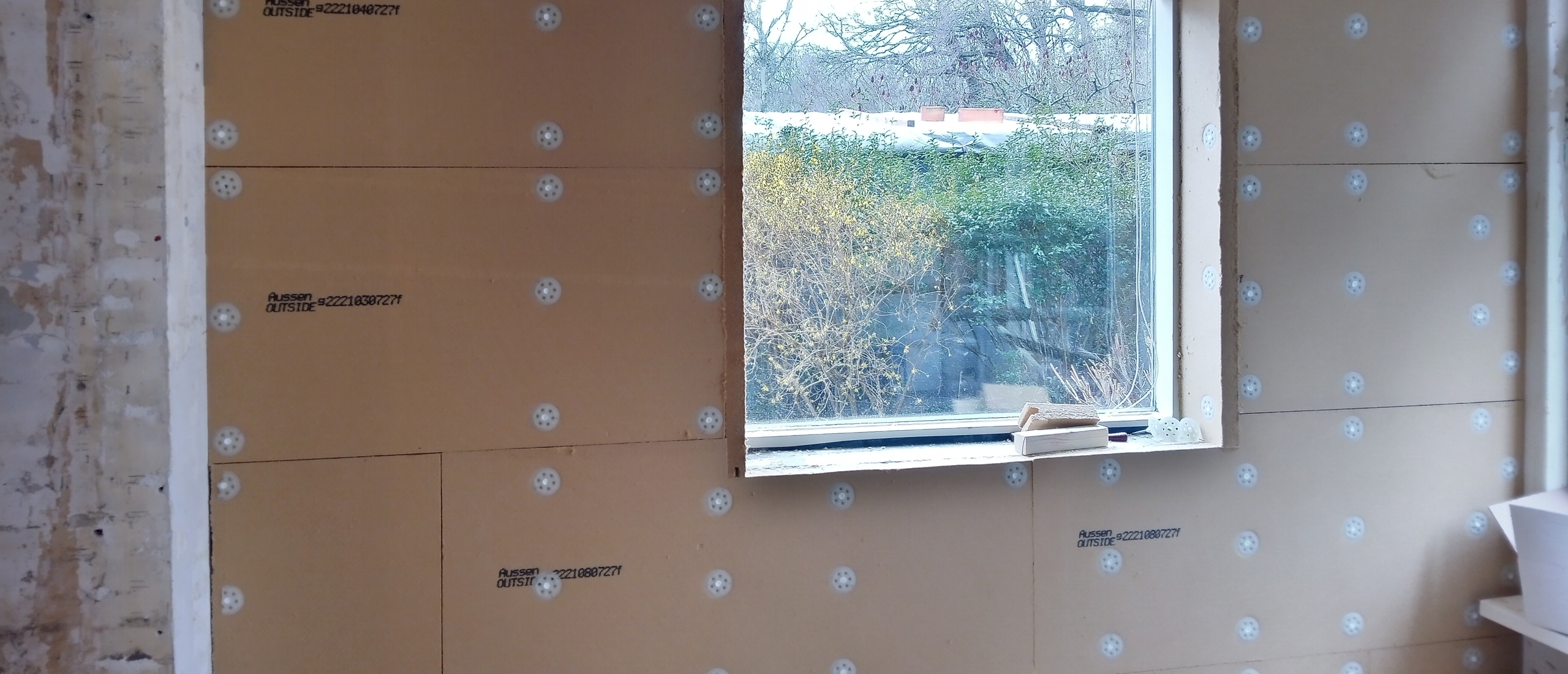
which is often provided with tongue and groove. This is particularly suitable for finishing to be plastered directly or for flank insulation at openings in the wall.
Wood fibre insulation is also available as blown-in insulation in the form of flakes.
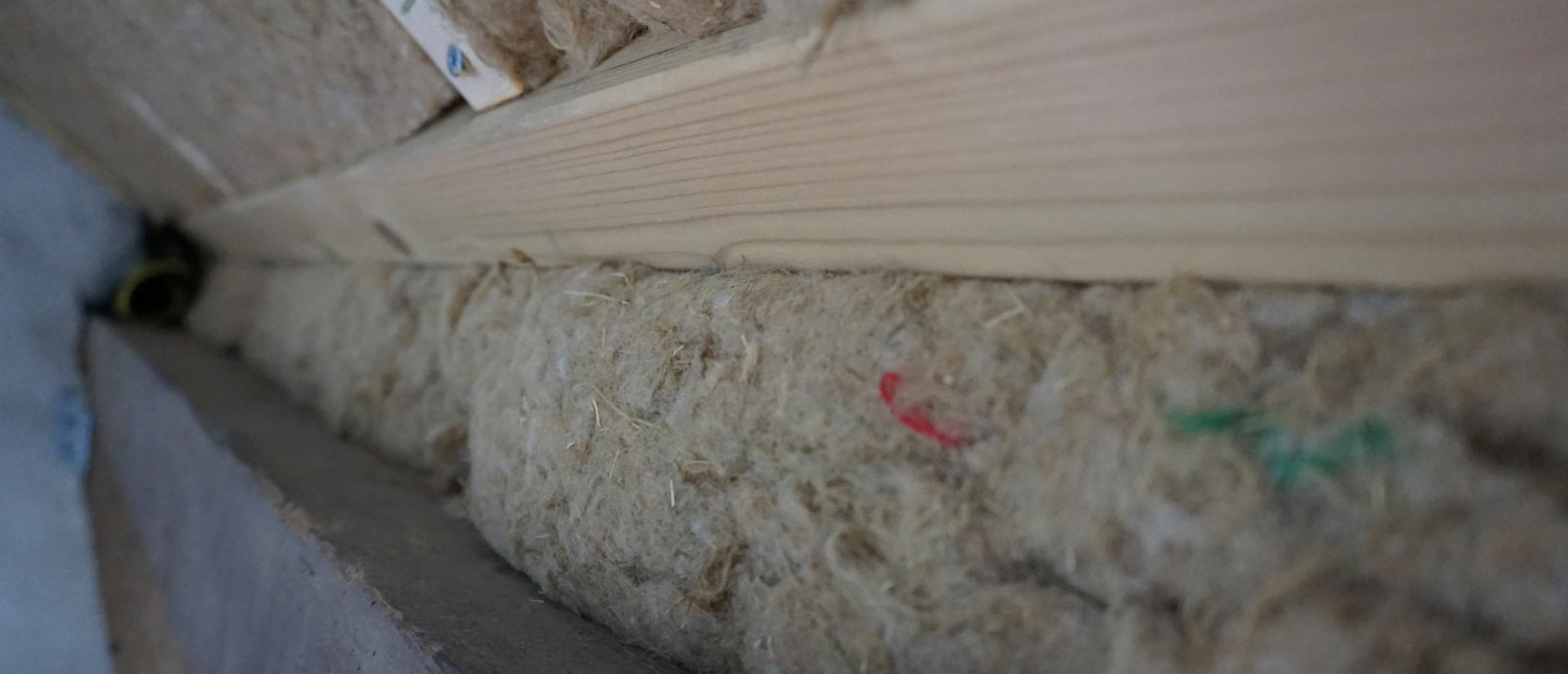
 Wood fibre insulation between wooden studs. On the left of the photo, you can just see that there is also wood fibre insulation behind the studs.
Grass Fibre Insulation

is made by the company Gramitherm from mown grass from nature reserves in the Netherlands and Belgium. Recycled jute fibres are used as binding.
Sheep's Wool Insulation
Sheep's wool insulation is offered by various parties. In the Netherlands, as of 2021, most wool is incinerated as it is considered a worthless residual product. Various parties are trying to breathe new life into this valuable residual product. Sheep's wool can store 35% of its own weight in moisture. This means that little or no vapour-retarding foil is needed. In addition, wool purifies the air against formaldehyde, radon, flue gases, and nitrogen, among other substances.
There is discussion about the animal friendliness and sustainability of sheep's wool from a vegan perspective and an ecological perspective due to the emissions from sheep and their manure.
Straw Insulation
For example, you can use straw bales as insulation. These are compressed dead stalks of cereal crops. Preferably in bales 45-50 cm wide and 36-40 cm high. The length varies from 40 to 110 cm. The bales can be used as insulation between a wooden construction or as self-supporting walls. Rye works best, barley should be avoided, and triticale (cereal type), winter and summer wheat are most commonly used. Today's straw bales are much larger than before. Therefore, the farmer or processor must use a straw baling machine to make smaller blocks suitable as building material. Straw bales can be plastered directly.
 Image. Building a straw bale wall.
Straw insulation mats are also produced by, among others, Vesta Eco in Poland. Lignocellulose fibres and PMDI resin are added to make the boards rigid. The boards have an unprecedented thermal time lag of 56 hours at a thickness of 16 cm. They are relatively heavy, however, at 180 kg/m3.
Textile Insulation
The textile insulation mats consist of 85% recycled cotton and the remainder of polyester fibres. It provides good sound insulation. There is some debate about its sustainability due to its origin in the clothing industry.
 Metisse as sound insulation in the ceiling