What is flax insulation?
Flax insulation is a by-product of the linen industry. Companies such as Isovlas produce this type of insulation material. Flax insulation is one of the best-known natural insulation materials and is available through many different sales channels. The fibres come from the flax plant. This crop has a rich history dating back to 1000 BC. In the Netherlands, it was grown in areas such as Zeeuws Vlaanderen and the Hoeksche Waard. Here, the Binnenmaas in the Hoeksche Waard and the Waaltje near Heerjansdam and Rijsoord were used to soak the bast fibre from the woody core. Nowadays, the plant is also used to make insulation material.
How is flax insulation made?
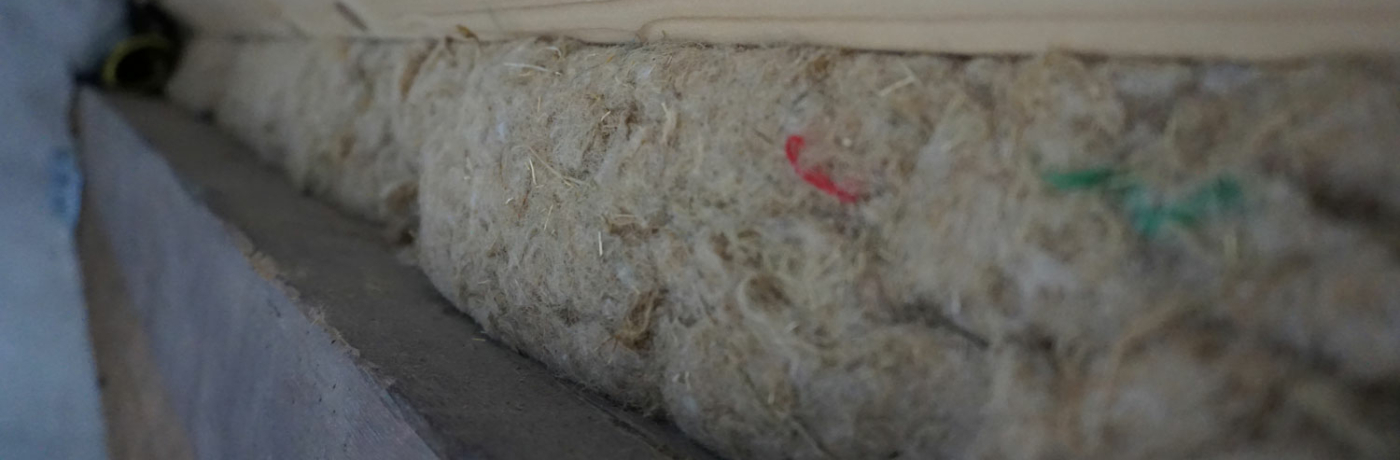
Flax insulation is made, among other things, from residual flows from linen factories in Poland by Isovlas. This company processes this into flexible insulation mats, which it also sells in the Netherlands. Flax insulation mats consist of more than 80% flax fibres. Isovlas uses the long bast fibres separated from the woody core of the flax plant (Linum usitatissimum). No pesticides or artificial fertilisers are needed for growing the flax plant.
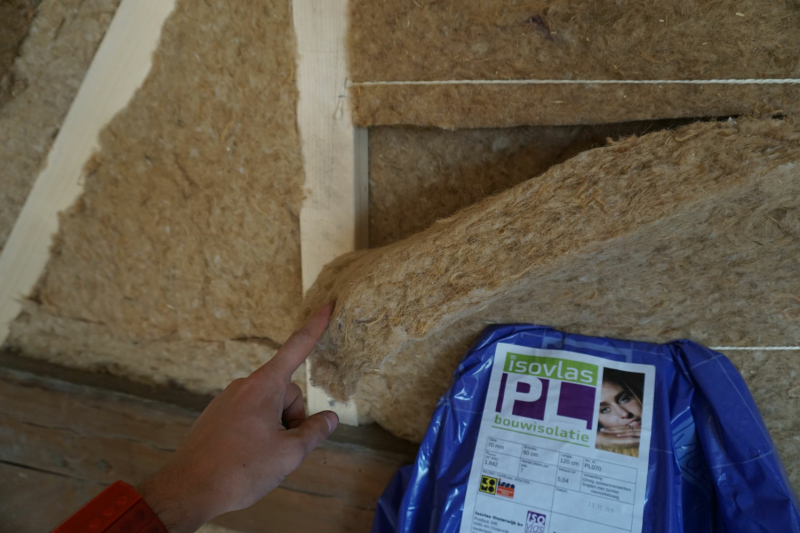
Synthetic fibres are added for binding and fire retardants. Isovlas has also launched flax insulation as roofing elements, whereby flexible flax insulation mats are provided with a finishing layer on the inside and outside, including foils.
Advantages of flax insulation
Natural raw materials
It is often the cheapest among flexible and natural insulation mats.
Average heat storage capacity
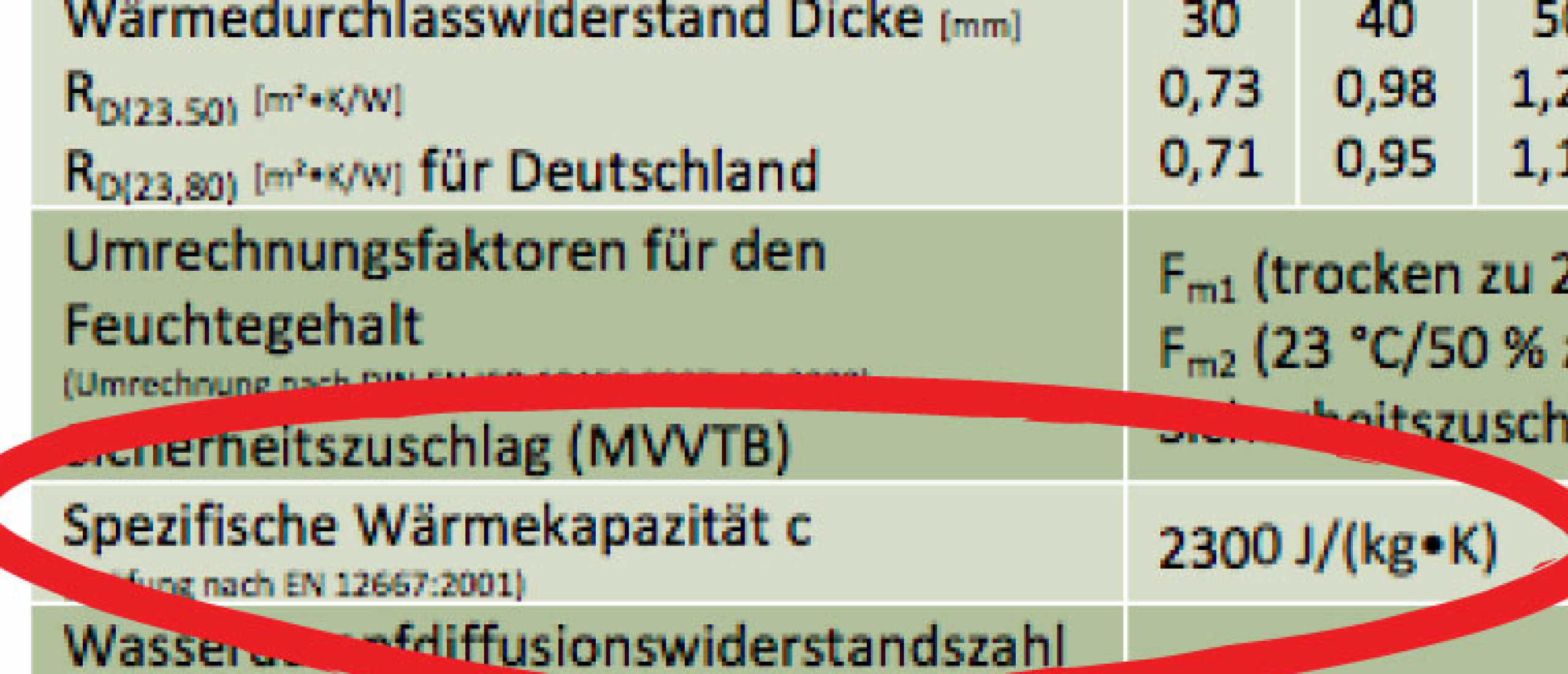
High moisture-regulating capacity; vapour-open
CO2-positive; stores CO2 during growth as a plant
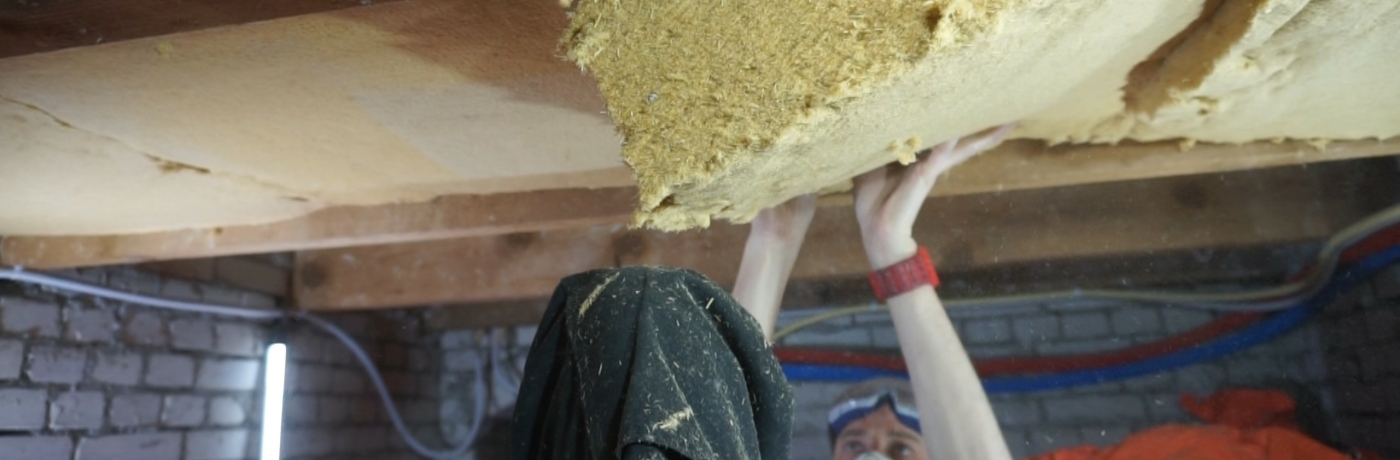
Easy to process and firmly clamped between floor joists from 18 cm thick
Good insulation value (0.038 W/mK)
Higher European fire class C than other insulation materials
Disadvantages of flax insulation
Textile fibres and ammonium polyphosphate are added as fire protection and antifungal agents.
Polyolefin (plastic) is used as a binder in flexible flax mats.
It has a somewhat strong odour that lasts for about 4 to 5 weeks after installation.
Is flax insulation fire resistant?
Insulation materials are classified into European fire classes from A to F. Fire class A stands for non-combustible materials, and fire class F stands for very combustible. Flax insulation has fire class C. However, this does not mean that flax insulation burns easily. Flax is treated with a natural fire retardant. As can be clearly seen in the video below, flax insulation chars and is thus 'self-extinguishing'.
Flax insulation sales points
Flax insulation: price per m2
Flexible flax insulation mats cost with a thickness of 14 cm:
± €20.00 per m2