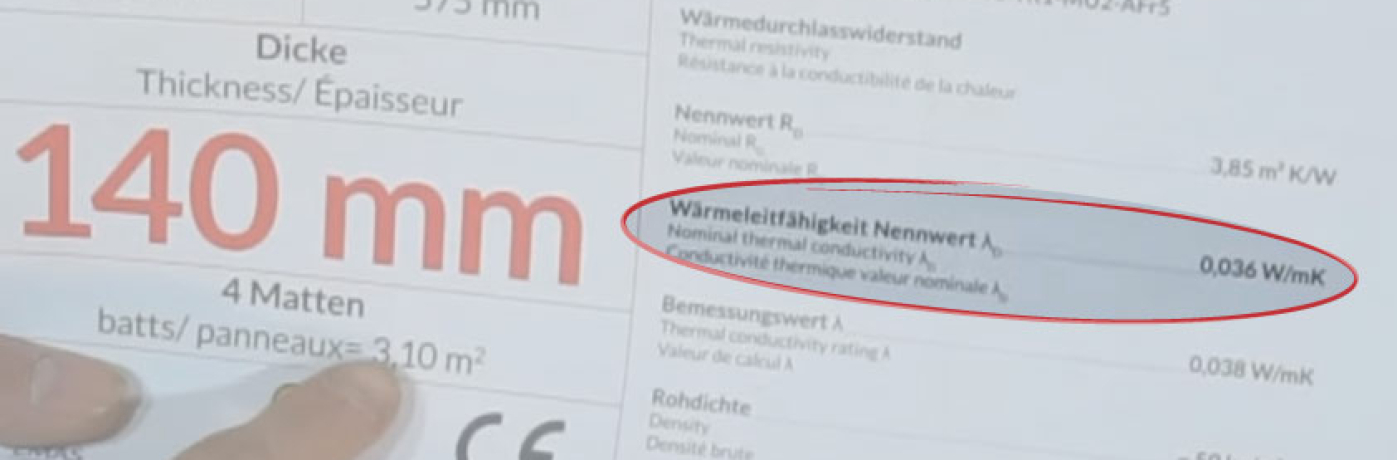
The lambda value is a measure of a material's thermal conductivity. It indicates how well a material can conduct heat and is therefore an important factor when choosing insulation material. The lower the lambda value, the better the material insulates and the less heat is lost. The lambda value is expressed by the symbol λ.
What is the lambda value?
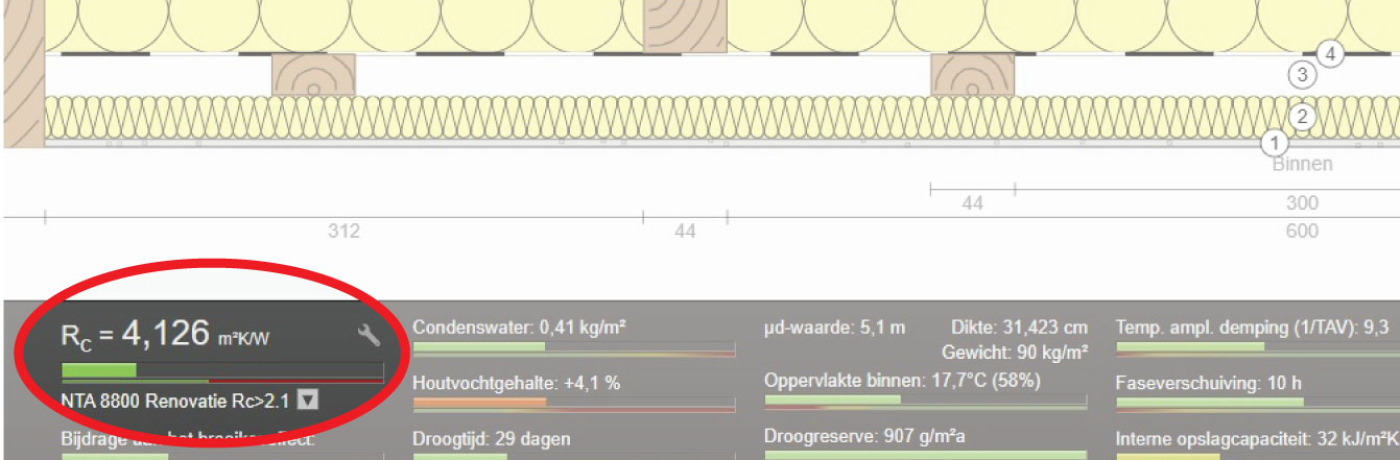
The lambda value (λ) is one of the most commonly used values for insulation materials. It is also known as thermal conductivity or thermal conduction coefficient. It indicates the insulation value, also referred to as the thermal conductivity of materials. The lower this value, the less heat the material conducts and the better it insulates. This value is mainly used in calculation formulas to determine other values such as the Rd-value
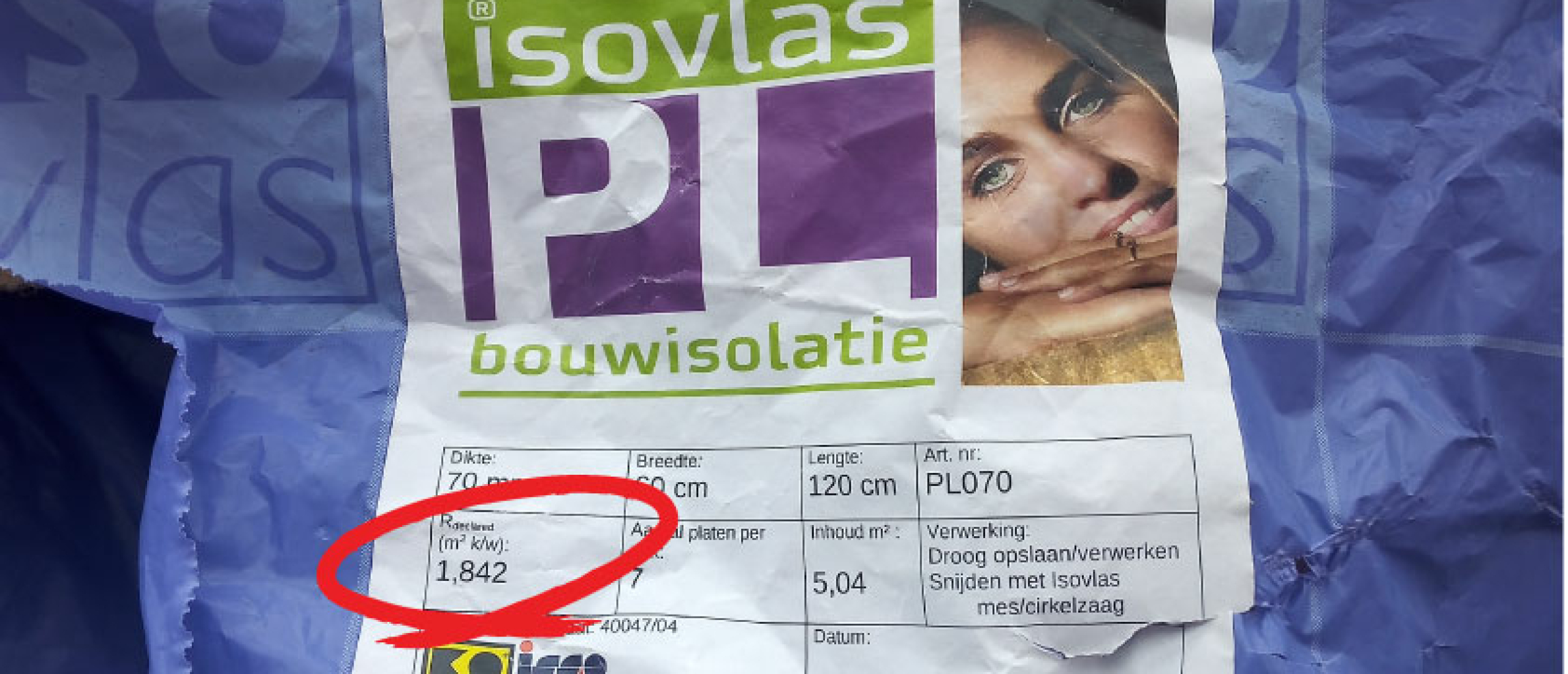
and phase shift.
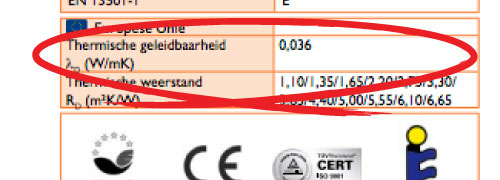 The Lambda Value of Wood Fibre Insulation
The lambda value is measured in Watts per metre per Kelvin (W/mK). This means that it indicates how much heat passes through one metre of material, given a temperature difference of one Kelvin. In other words, the lower the lambda value, the less heat passes through the material, and the better the material insulates.
What is the lambda value of different insulation materials?
Below is a list of the lambda values of the most common insulation materials, from lowest to highest.
- resol foam (PF): λ = 0.022 W/mK
- polyurethane foam (PUR): λ= 0.022 - 0.028 W/mK
- polyisocyanurate foam (PIR) λ= 0.025 W/mK
- extruded polystyrene (XPS) λ= 0.028 - 0.038 W/mK
- expanded polystyrene (EPS) λ= 0.031 - 0.400 W/mK
- glass wool λ= 0.035 - 0.040 W/mK
- rock wool λ= 0.035 - 0.045 W/mK
- cellulose mats λ= 0.036 W/mK
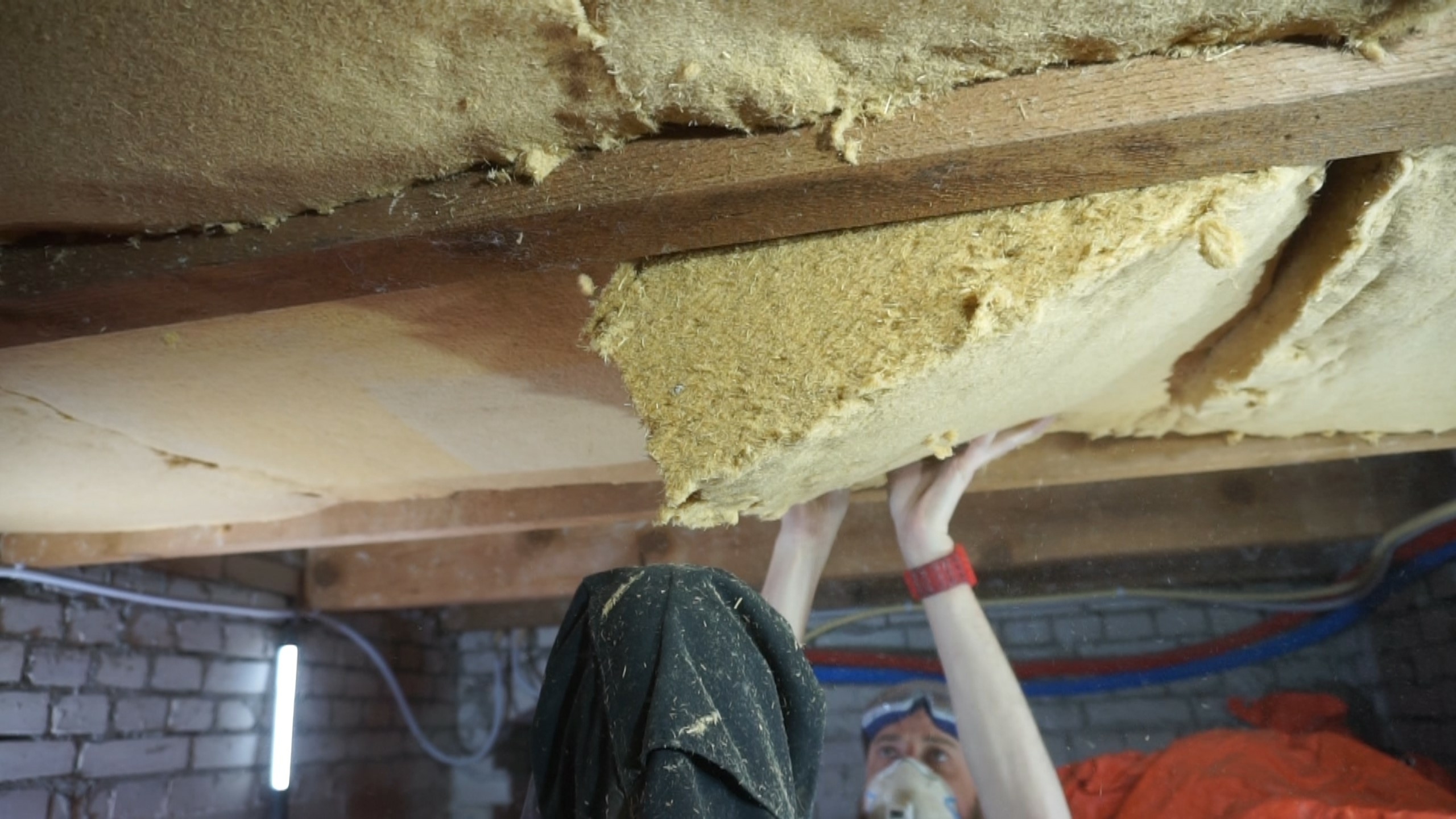
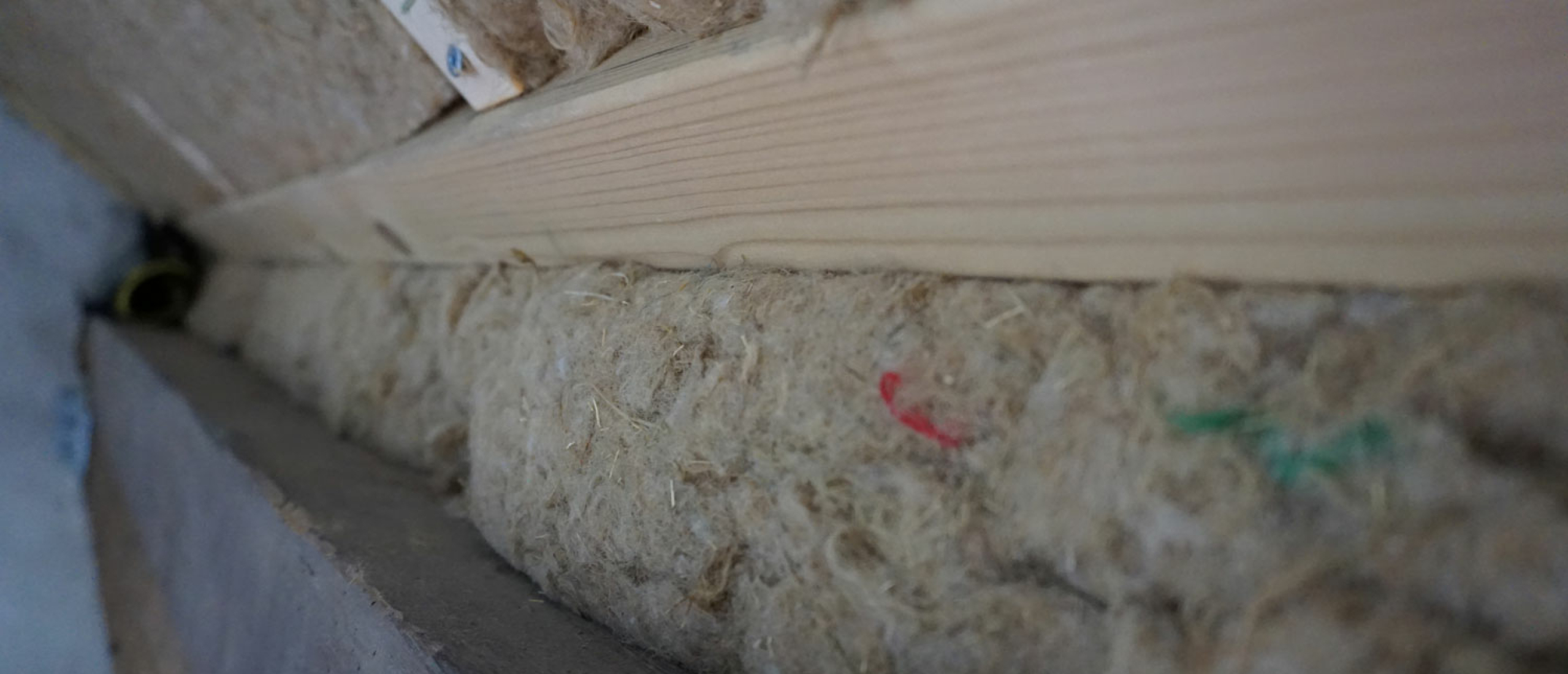
- wood fibre insulation
- textile λ= 0.038 W/mK
- hemp λ= 0.040 W/mK
- sheep wool λ= 0.040 W/mK
- cork λ= 0.040 W/mK
- foam glass (cellular glass) λ= 0.040 W/mK
- paper flakes (blown-in) λ= 0.040 W/mK
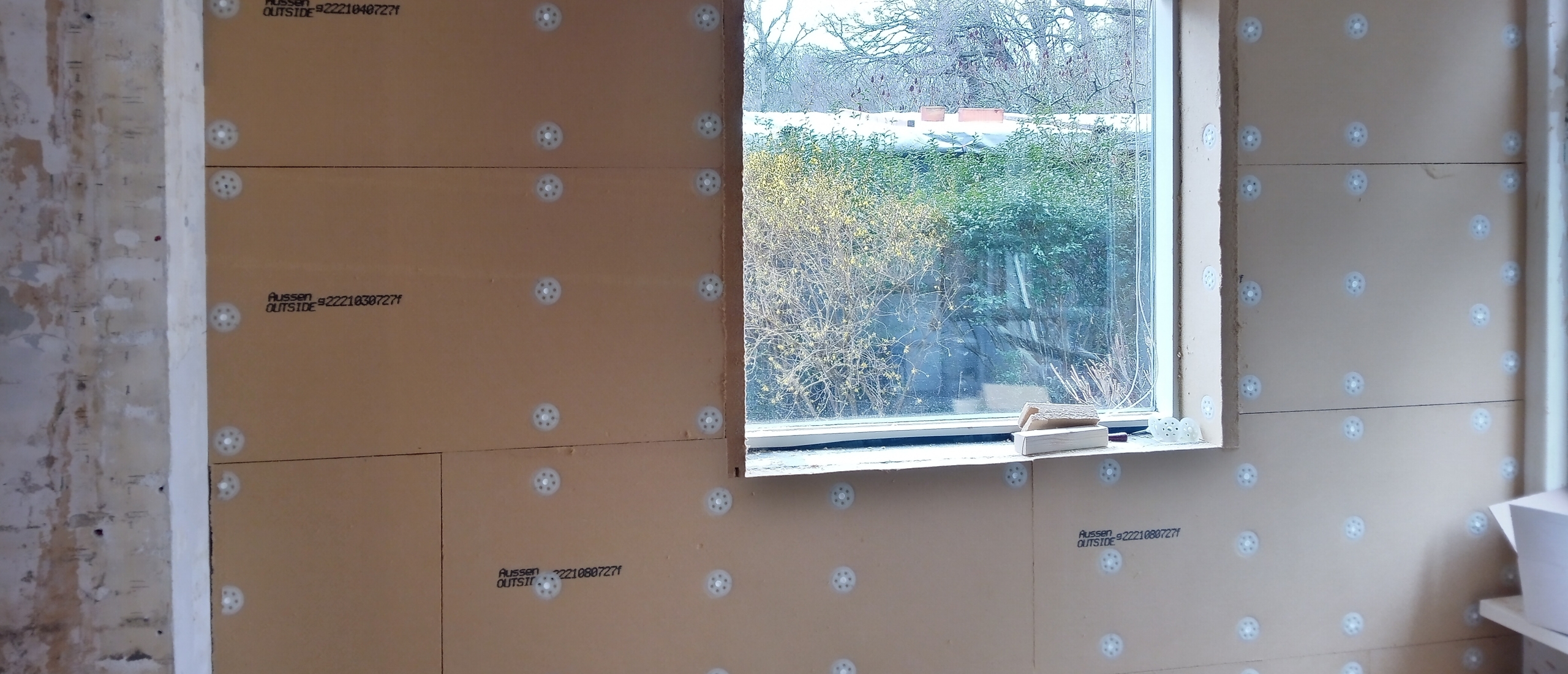
- wood fibre board
- wood flakes (blown-in) λ= 0.040 W/mK
- grass λ= 0.040 W/mK
- straw mats λ= 0.045 W/mK
- straw bales λ= 0.050 W/mK
- hempcrete block λ= 0.070 W/mK
Where does the term "lambda" come from?
The term "lambda" originates from the Greek language and literally means "the letter L". It was first used in the context of thermal conductivity in the 1800s by the French physicist Joseph Fourier, who pioneered in the field of heat transfer and thermodynamics.