If you're planning to insulate your home, you'll quickly come across the Rd-value. The Rd-value is a widely used metric for insulation materials. You'll encounter it, for example, when applying for a subsidy for your insulation measure. The Rd-value indicates how effectively a material can retain heat. The higher the Rd-value, the less heat loss, meaning better insulation in winter. In this article, we will discuss the Rd-value in more detail and highlight its important aspects.
What is an Rd-value?
- The Rd-value is a term used to measure the thermal resistance of a material
- It is a measure of how well a material resists the passage of heat
- The Rd-value is expressed in m2 K/W and indicates how much thermal resistance a material layer of one square metre offers at a temperature difference of one Kelvin degree*
- The higher the Rd-value, the more difficult it is for heat to pass through the material
- The Rd-value is calculated by dividing the thickness of the material by its lambda-value
- The Rd-value says nothing about how well insulation material keeps heat out. For this, check the heat storage capacity
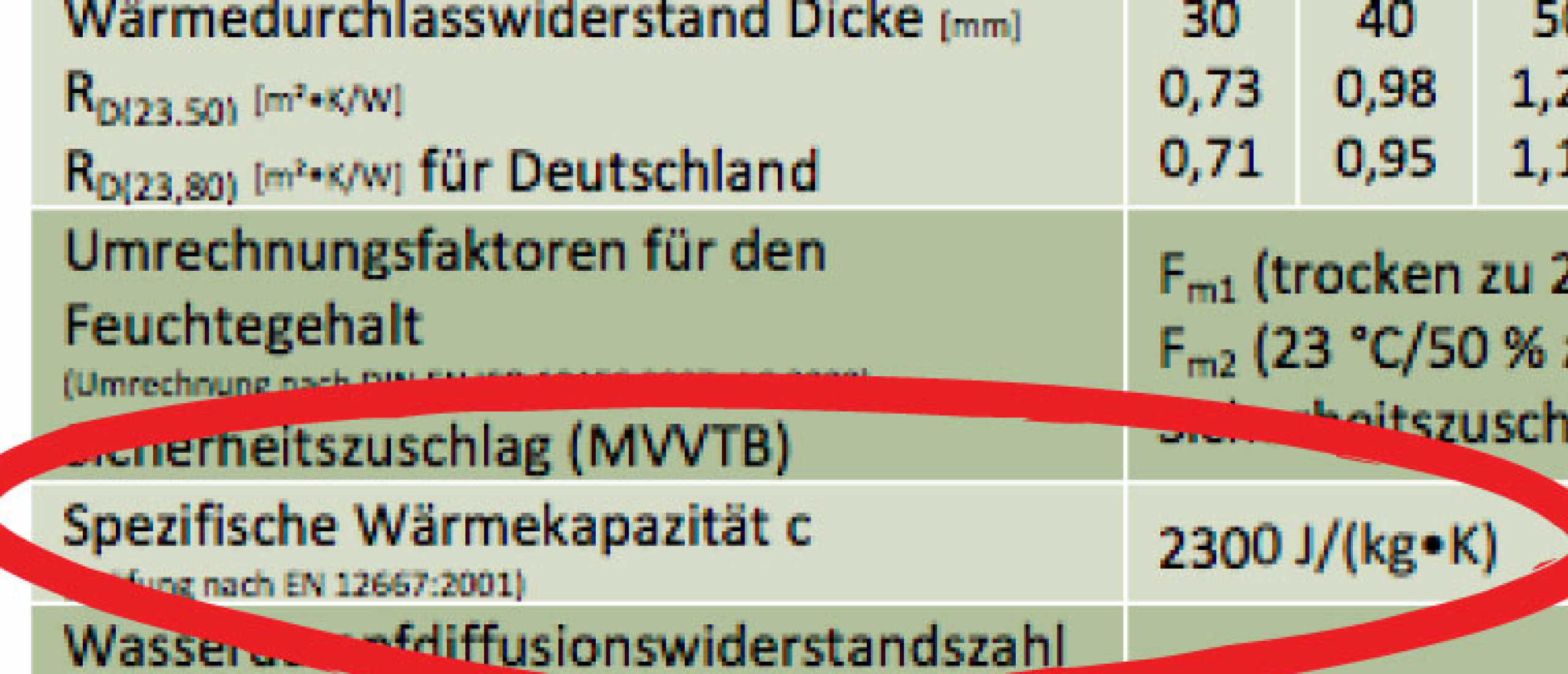
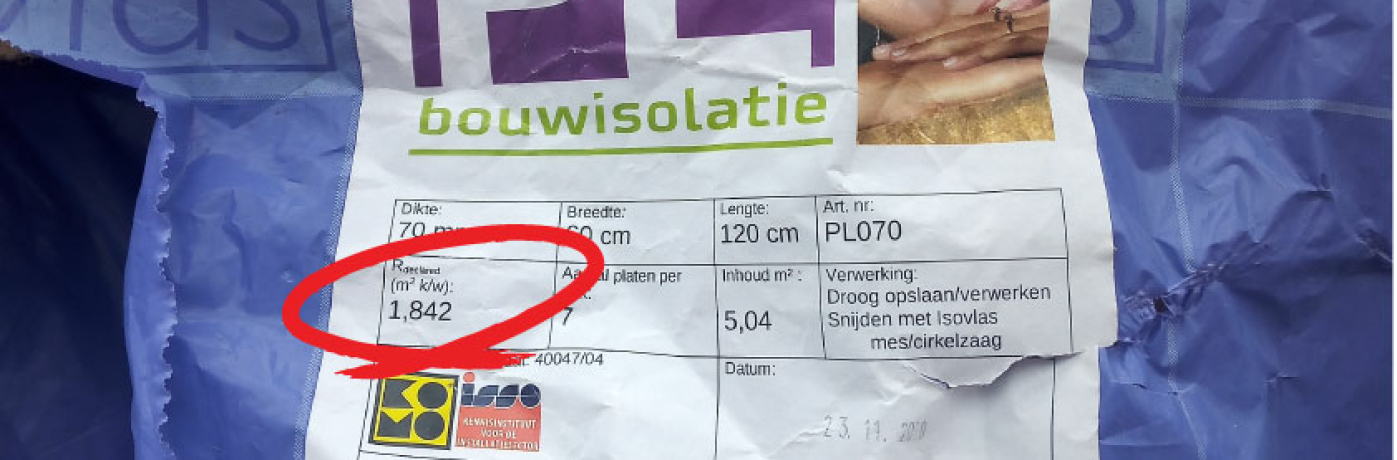
- R stands for 'resistance' and the d for 'declared', in other words; the manufacturer's declared thermal resistance of the material
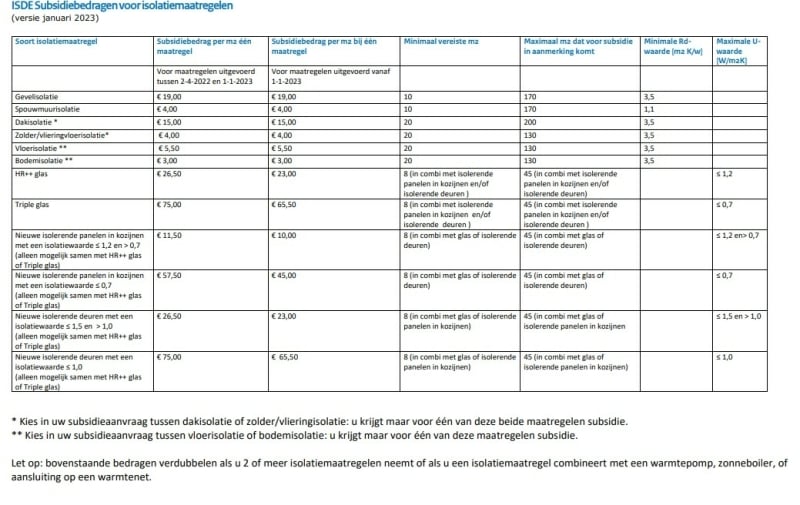
- To qualify for ISDE subsidy from the national government, you must achieve a minimum Rd-value of 3.5 m2 K/W
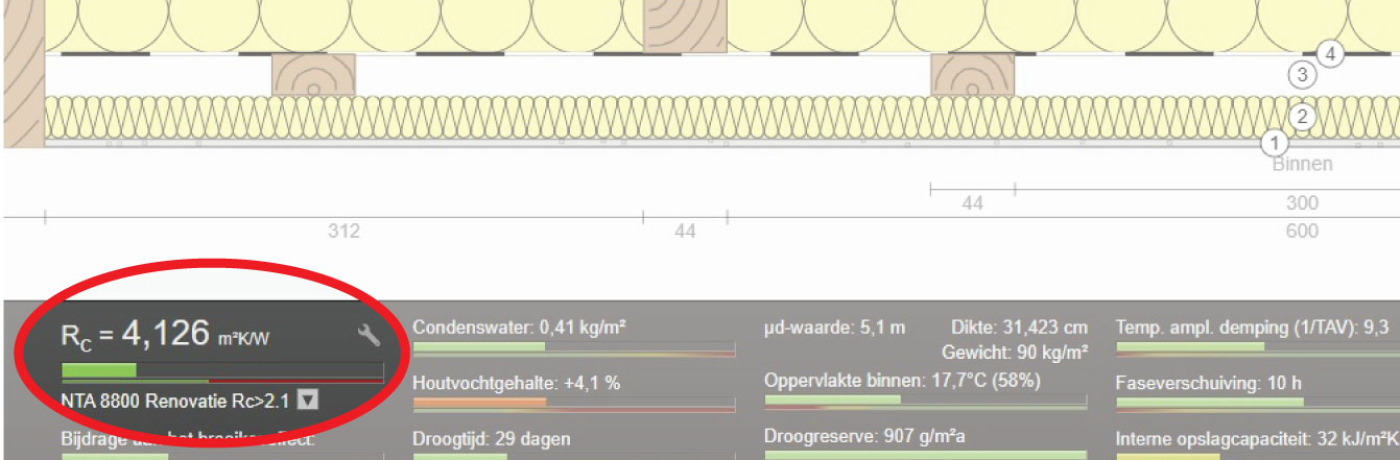
- The Rd-value should not be confused with the Rc-value
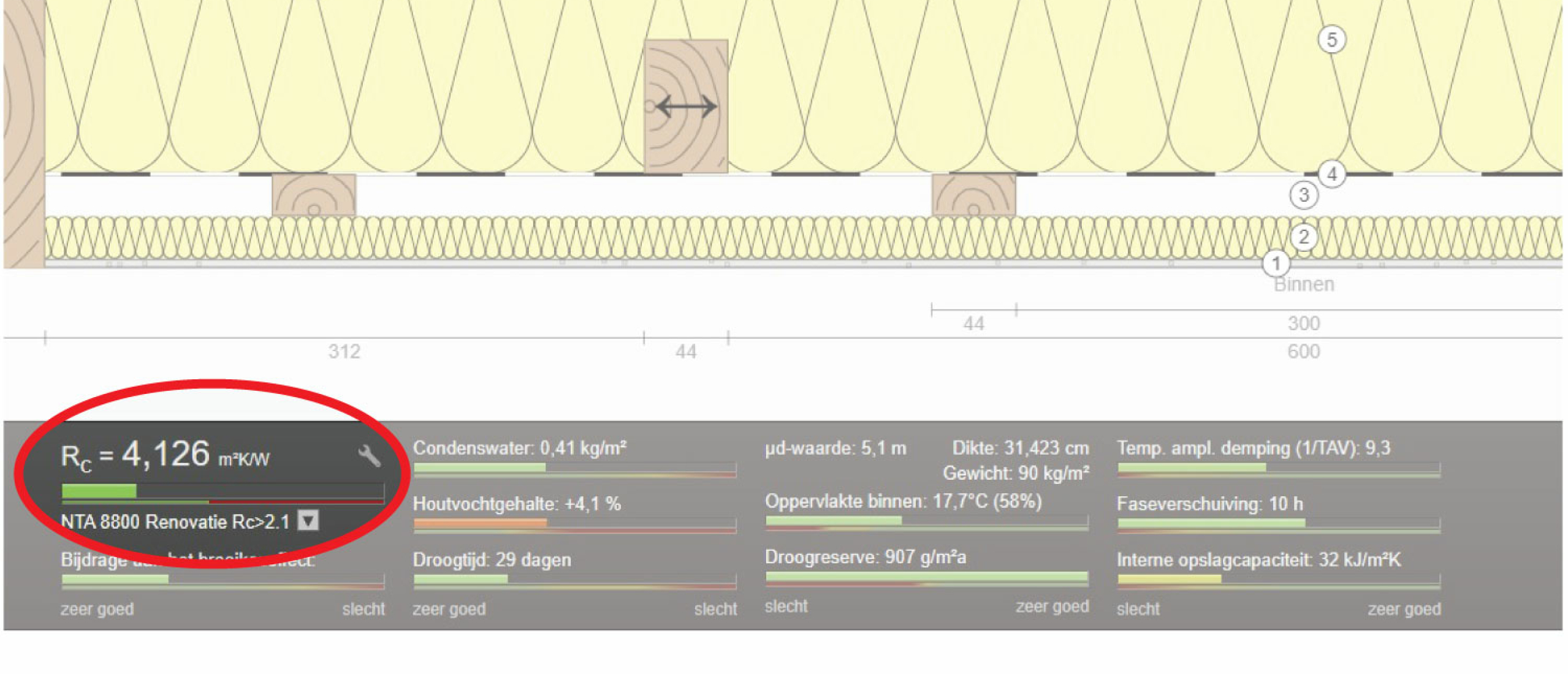
If you want to insulate your house, you will quickly come across the term Rc-value. This value seems complicated and technical at first glance. Yet it is crucial to understand what the Rc-value means, because it determines.. which refers to the insulation value of an entire construction
*273.15 Kelvin corresponds to 0 degrees Celsius
How is the Rd-value determined?
The Rd-value of a material can be determined by means of a thermal conductivity measurement. This measurement is carried out according to a standardised test method laid down in the European standard EN 12667. During this measurement, the material is kept at a constant temperature while heat is supplied on one side and dissipated on the other. Based on the amount of heat dissipated and the thickness of the material, the Rd-value can be calculated.
How do you calculate the Rd-value?
Rd-value = d/λ
Rd-value = thermal resistance in m2 K/W
d = thickness of the material in metres
λ = lambda-value (also known as thermal conductivity coefficient) in W/m K
For example:
If you are insulating the ground floor with flax insulation
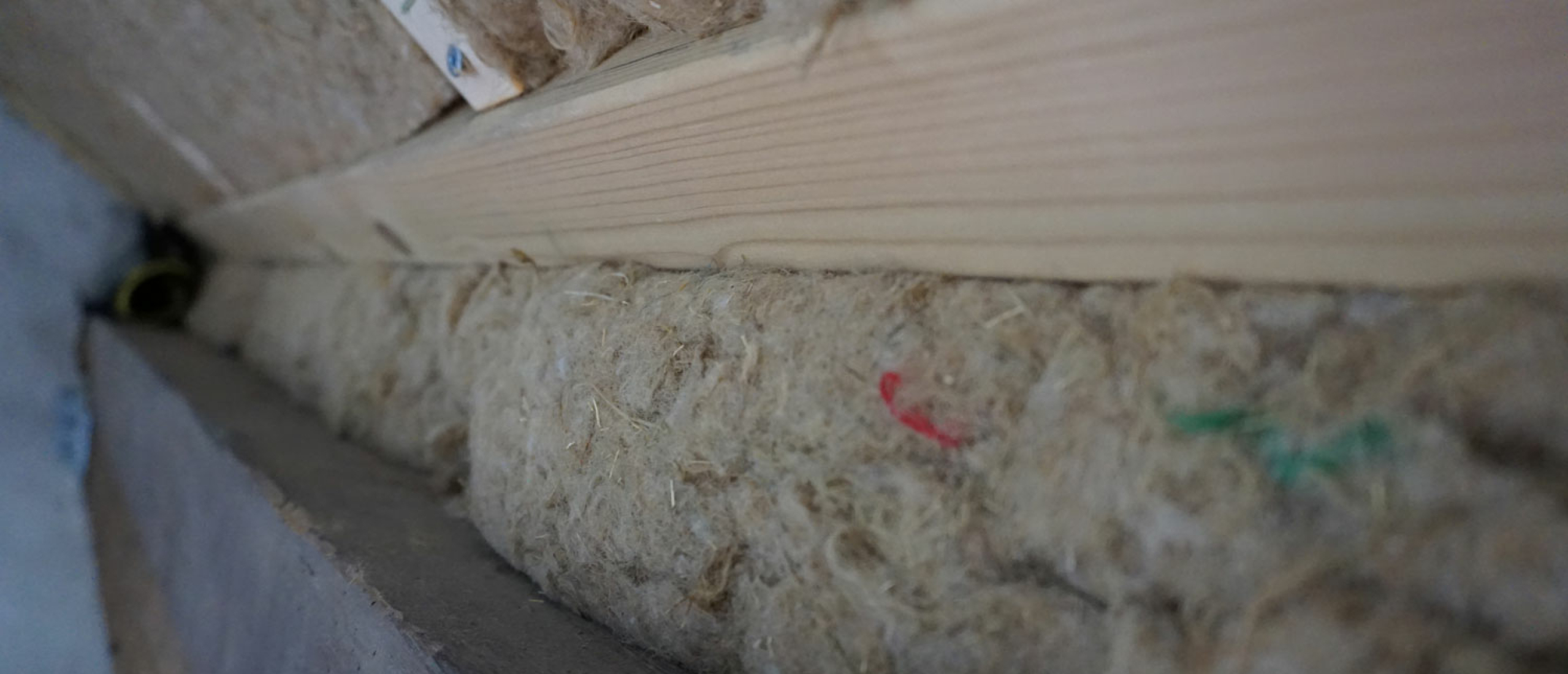
with a lambda-value of 0.038 and an insulation thickness of 7 cm. This gives the following Rd-value: (7/100) / 0.038 = 1.84 m2K/W.
What is the Rd-value of insulation? - YouTube
Climatedeal
11 subscribers
What is the Rd-value of insulation?
Climatedeal
Search
Watch later
Share
Copy link
Info
Shopping
Tap to unmute
If playback doesn't begin shortly, try restarting your device.
More videos
More videos
You're signed out
Videos you watch may be added to the TV's watch history and influence TV recommendations. To avoid this, cancel and sign in to YouTube on your computer.
CancelConfirm
Share
Include playlist
An error occurred while retrieving sharing information. Please try again later.
0:00
0:00 / 0:42
•Live
•
Rd-value of insulation
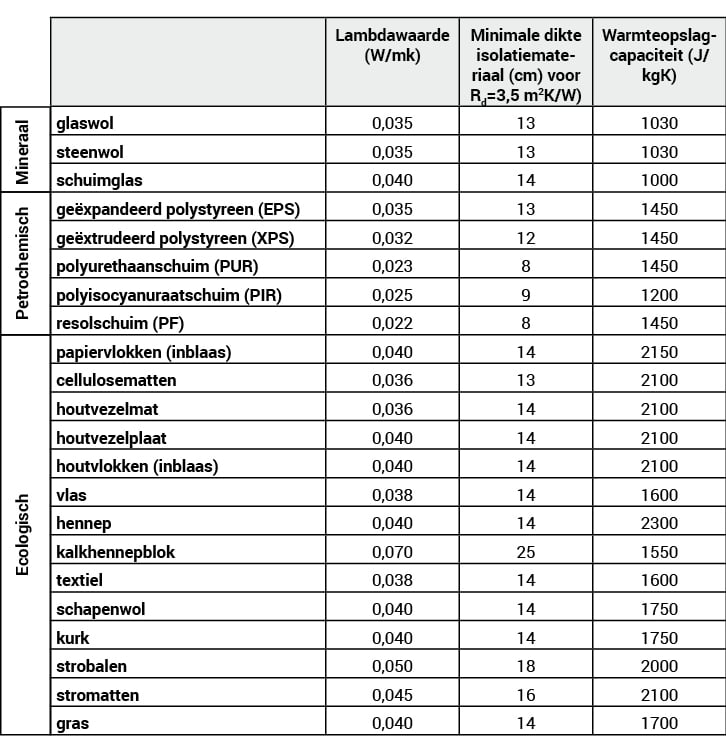
You will encounter the Rd-value as a metric used by the government with a set minimum (e.g., Rd=3.5) for insulation value if you want to qualify for a subsidy. The table below shows the required insulation thickness for various insulation materials to achieve an Rd=3.5. See the second column: Minimum thickness of insulation material....
What is a good Rd-value for insulation?
- If you want to qualify for ISDE subsidy from the government, in most cases you need to achieve a minimum Rd-value of 3.5 m2K/W with your insulation materials
- If you have or are planning to install underfloor heating, then for floor insulation
Are slippers and indoor shoes a must-have in your house due to the cold floor? Floor insulation quickly provides a comfortable feeling. it is better to aim for an Rd of >5.0 m2K/W. Otherwise, too much heat will be lost to the crawl space
- If you are aiming for an energy-neutral home, you should target an Rd-value of 5-10 m2K/W.
Calculation example if you want to achieve an Rd-value of 3.5
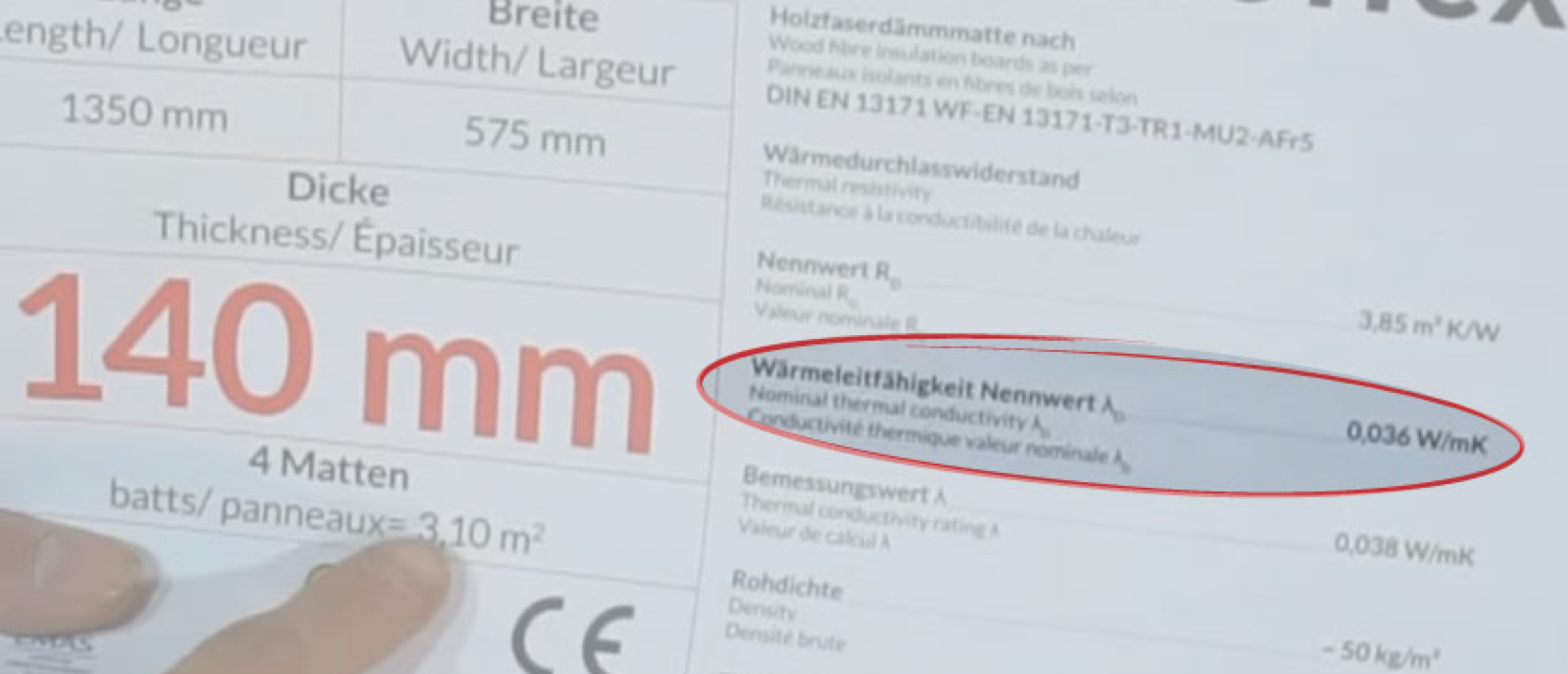
- with wood fibre insulation, you get an insulation thickness of: 0.036 x 3.5 = 12.6 cm
- with hemp insulation, you get an insulation thickness of: 0.04 x 3.5 = 14 cm
- with synthetic insulation materials, you can insulate thinner. For example, with polyurethane foam (PUR), you get an insulation thickness of: 0.023 x 3.5 = 8 cm
Of course, you can pursue other insulation goals besides the best Rd-value.
> _The Rd-value says nothing about how long an insulation material keeps the heat out in the summer._
The heat storage capacity says something about the insulation value in summer heat.
Rd-value for roof insulation
To qualify for a subsidy, a minimum Rd-value of 3.5 m2K/W is required for roof insulation. Do you have a wooden pitched roof with roof beams? Then it is relatively simple to insulate your pitched roof from the inside. You need an insulation thickness of 14 cm to achieve an Rd of 3.5 m2K/W. Often the roof beams are even thicker than 14 cm. If you want to go off gas and move towards an energy-neutral home, then an Rd of >6 m2K/W for your roof insulation
is a good aim. With ecological insulation materials
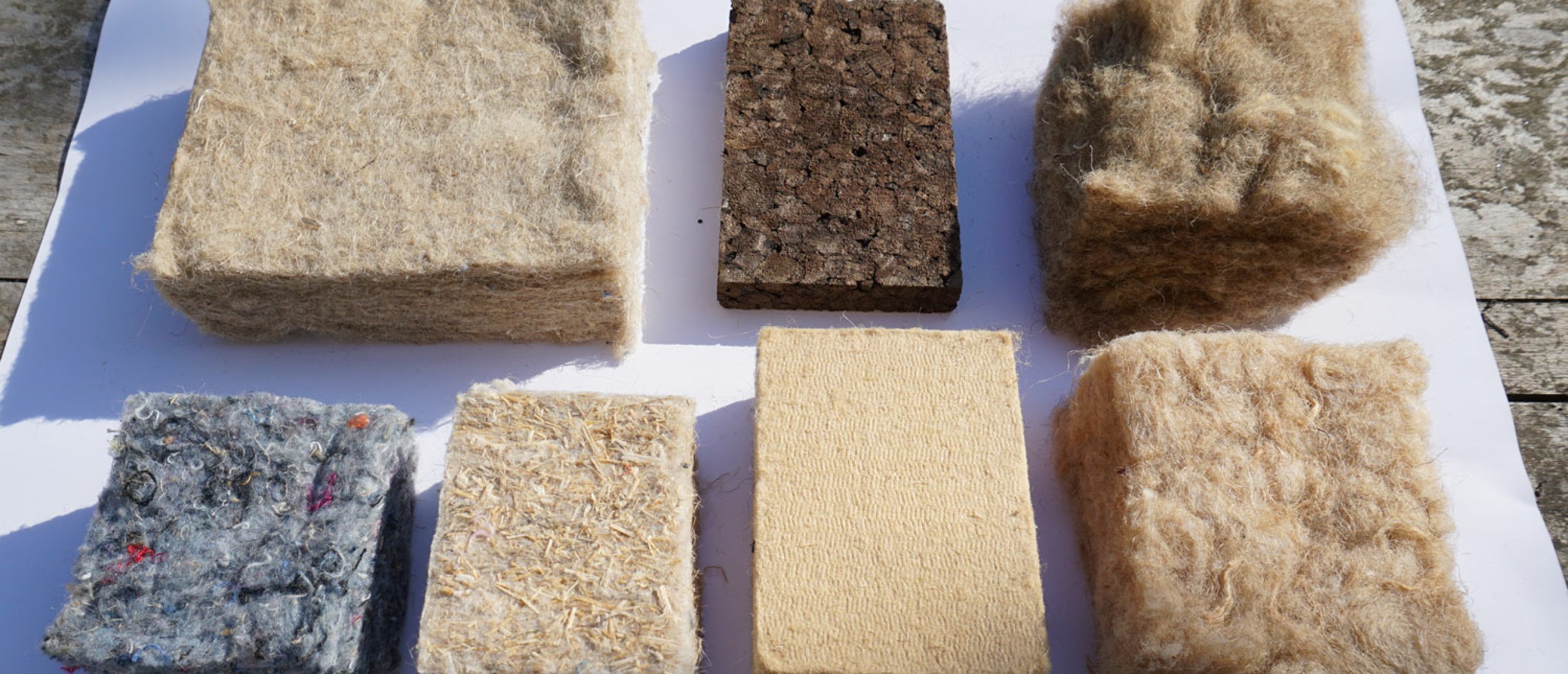
Ecological insulation materials, also known as natural insulation materials or biobased insulation materials, are generally made from plant fibres such as: hemp, flax, wood, seaweed.. you are looking at a thickness of 22 cm. For your roof, also pay close attention to the heat storage capacity of insulation materials, as a lot of heat can enter your home through the roof in summer.
What is the difference between Rd-value and Rc-value?
The Rc-value is a term widely used in the construction sector and stands for the thermal resistance of an entire construction. In short, it indicates how well a construction can resist heat loss. This is important when building energy-efficient homes and buildings. The higher the Rc-value, the better the insulation of the construction and the less heat is lost. The Rc-value is expressed in m²K/W.
Bottom line
In summary, this is what you need to know about the Rd-value:
- The Rd-value is the thermal resistance of a single material
- it is issued ('d'eclared) by the manufacturer
- For a subsidy, you must achieve a minimum Rd of 3.5. That is 14cm with natural insulation materials
- you calculate the Rd-value by dividing the material thickness in metres by the lambda-value: Rd-value = d/λ
Get more information about Rd-value, Rc-value, and lambda-value in our free Buyer's Guide.