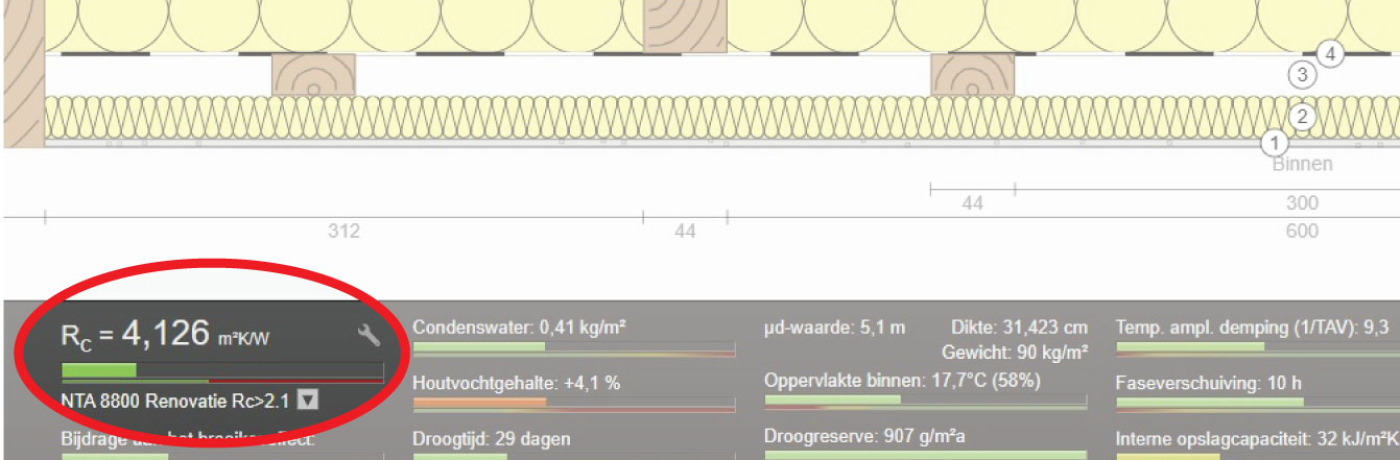
There are so many different materials, frames, and types of glass to choose from, each with its own specifications and performance. And then there are also different insulation terms such as R-value and U-value. You might be thinking, yet another insulation term, and what's the difference with R-value? Rd or Rc-value
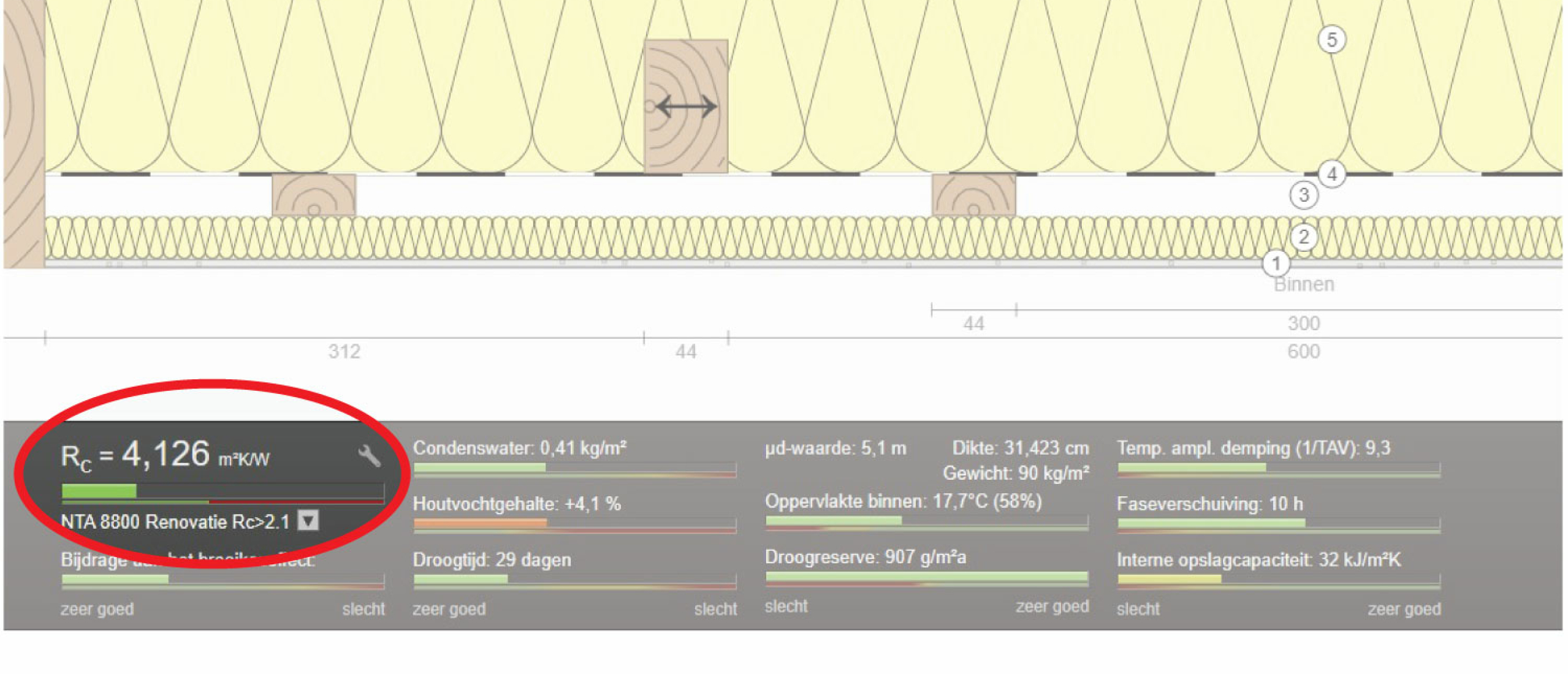
is often used as an insulation value for floors, walls or roofs. While U-value is a commonly used insulation value for windows (glass and frames).
At Isoleerbewust, we understand how important it is to make the right insulation choices. Although we have less knowledge about insulating glass, we do know a thing or two about U-value.
In this article, we delve deeper into the world of U-values, the most important measure of insulation performance. We explain what U-values are, how they are calculated, and what they mean for the insulation of your walls, floors, roofs, windows (type of glass and insulating frames), and doors. We specifically look at the U-value of different frames and glazing, so you get a clear picture of the available options. We particularly focus on the insulating effect and degree of heat conduction. With this knowledge, you will be able to make informed choices when insulating your home, taking your unique wishes and needs into account.
What is the U-value?
Simply put, the U-value indicates the amount of heat that passes through a construction per second, per square meter, and per degree Celsius temperature difference between inside and outside. The unit of the U-value is W/m2K (Watt per square meter per Kelvin).
The lower the U-value, the better the insulation. A low U-value means that little heat is lost. For illustration: single glazing has a U-value of 5.8 W/m2K, while a well-insulated wall can have a U-value of 0.2 W/m2K.
The U-value is the inverse of the R-value (also called Rm-value), which indicates the thermal resistance of a material. The R-value is expressed in m2K/W. The higher the R-value, the better the insulation.
Calculating U-value
To calculate the U-value, divide 1 by the R-value:
U = 1 / R
U-value of window frames
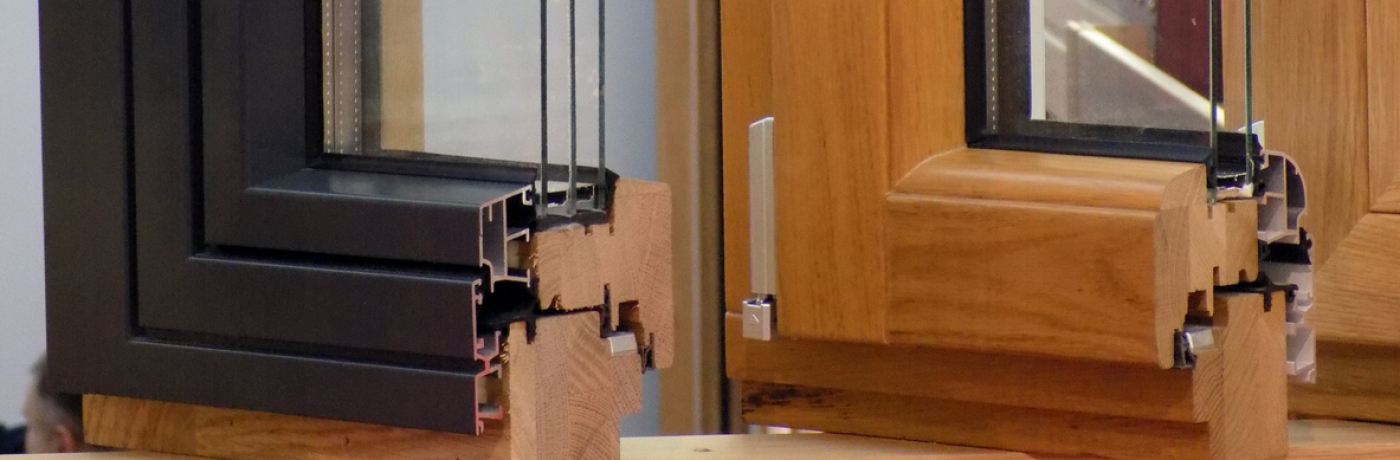
In addition to walls, floors, and roofs, window frames are also important elements when it comes to the insulation of your home. The U-value of a window frame depends on the material used.
Below you will find the indicative U-values of different window frame materials:
- Wooden frames with double glazing: ± 2.4 W/m2K
- Wooden frames with triple glazing: ± 2.2 W/m2K
- Plastic frames with double glazing: 1.1 - 1.4 W/m2K
- Plastic frames with triple glazing: 0.7 - 1.0 W/m2K
- Aluminum frames with double glazing: ± 1.1 W/m2K
- Aluminum frames with triple glazing: ± 0.9 W/m2K
According to the Dutch Building Decree, the average U-value of all windows and doors in a new-build home may not exceed 1.65 W/m2K since January 1, 2015. Windows with a higher U-value are allowed, as long as the average remains below 1.65 W/m2K.
U-value of glass
The U-value of glass, also called the Ug-value, has a significant influence on the total insulation value of a window. The lower the Ug-value, the better the glass insulates.
Below is an overview of the Ug-values for different types of glass:
- Single glazing: 5.8 W/m2K
- Double glazing: 2.8 W/m2K
- HR glass: 2.0 W/m2K
- HR+ glass: 1.6 W/m2K
- HR++ glass: 1.1 W/m2K
- Triple glazing: 0.5 - 0.9 W/m2K
By choosing HR++ glass or triple glazing, you can significantly improve the insulation value of your windows compared to single or standard double glazing. In addition to the Ug-value, the spacer between the glass panes is also important. A 'warm' spacer made of plastic or stainless steel insulates better than an aluminum spacer.
Combined U-value of frame and glass
The total insulation value of a window is expressed as the Uw-value (also called the Uwindow-value). This is the combined U-value of the frame (Uf-value), the glass (Ug-value), and the spacer (ψ-value)[7]. The Uw-value can be calculated as follows:
Uw = (Af x Uf + Ag x Ug + lg x ψg) / (Af + Ag)
Where:
- Af = frame area
- Uf = U-value frame
- Ag = glass area
- Ug = U-value glass
- lg = length of spacer
- ψg = linear thermal transmittance coefficient of spacer
An example calculation: a wooden frame (Uf = 1.7 W/m2K) with HR++ glass (Ug = 1.1 W/m2K) and a plastic spacer (ψg = 0.06 W/mK) has a Uw-value of 1.27 W/m2K for a window area of 2 m2 (80% glass, 20% frame):
Uw = (0.4 x 1.7 + 1.6 x 1.1 + 5.2 x 0.06) / 2 = 1.27 W/m2K
Conclusion
The U-value is an important measure for the insulation quality of your home. By choosing insulation materials, window frames, and glazing with a low U-value, you can limit heat loss and reduce your energy bill. If your glass surface area is significant in your facade, then well-insulated windows provide more benefits than well-insulated facades. Make sure your windows are airtight. Otherwise, your investment will be less valuable due to drafts around your well-insulated windows.
The costs of triple glazing do not outweigh the energy savings for most homes. The rest of your home must also be well-insulated in that case.