More and more people are choosing to make their homes more sustainable and insulate them with natural, biobased materials. Especially in older houses with single-skin walls, insulation is a must to save energy and increase living comfort. In this article, you will read all about insulating a single-skin wall with biobased

insulation materials such as wood fiber, cellulose, straw, hemp, flax, and sheep's wool. We discuss the benefits, different insulation methods, and provide practical tips for those who want to do it themselves.
Why insulate your single-skin wall with biobased materials?
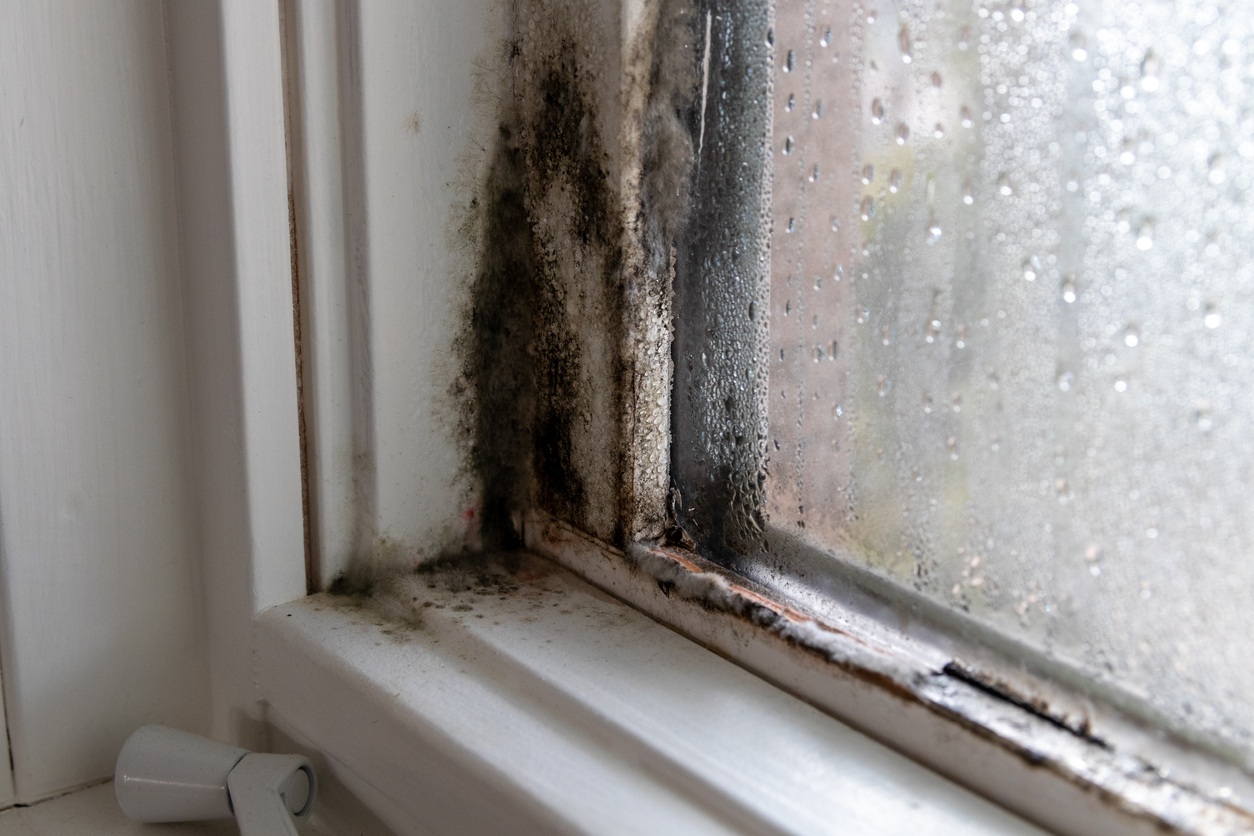
Single-skin exterior walls consist of a single layer of bricks, meaning there is no cavity. Single-skin walls were commonly used in older homes built before 1920. Such a wall inherently insulates poorly: heat is lost quickly, and moisture can easily penetrate. This leads to high energy bills, a less comfortable indoor climate, and sometimes even moisture problems and mold. By insulating the wall with biobased materials, you kill several birds with one stone:
- You significantly reduce your energy bill and heating costs
- You increase comfort with a more stable indoor temperature and less draft
- Biobased
What is biobased insulation? ...and what is the difference from ecological or natural insulation? 🌲 The term 'biobased' has been widely used by pioneers in recent decades to indicate that it... insulation is vapor-open and naturally regulates moisture in the home
- Natural materials dampen sound for better acoustics
- Biobased insulation is environmentally friendly and contributes to a healthy living environment
Biobased insulation materials such as wood fiber, cellulose, straw, hemp, flax, and sheep's wool have excellent insulating properties, comparable to traditional insulation like glass and mineral wool. But they offer additional benefits in terms of moisture regulation, sound dampening, and sustainability. Moreover, they are pleasant to work with and do not cause itching or irritation.
Insulating on the outside or inside?
When insulating a single-skin wall, you have two options: insulating on the exterior or on the interior side of the wall. Which method is most suitable depends on your specific situation and preferences.
Exterior wall insulation
Insulating on the outside has the advantage that you can wrap the entire wall without thermal bridges. This creates an uninterrupted insulation shell and utilizes the thermal mass of the wall. An additional advantage is that you don't lose any interior space. Exterior wall insulation is usually carried out by a specialized contractor. They apply the insulation boards and finish them with, for example, brick slips, render, wood, or slates. Popular biobased materials for exterior wall insulation include wood fiber boards and hemp-lime blocks. Disadvantages of exterior wall insulation are the higher costs and the required building permit. This method is also less suitable for terraced houses, as you need to coordinate with neighbors.
Interior wall insulation
The most common method is insulating on the interior with a stud wall. Here, you install a wooden or metal frame at some distance from the wall. The space in between is filled with insulation material, after which the construction is finished with boarding and potentially an additional vapor barrier. Advantages of interior wall insulation are lower costs and the possibility to do the job yourself. You can apply the insulation in phases, room by room. Disadvantages are the loss of about 14 cm of space and the risk of thermal bridges at the connections. Especially flexible, vapor-permeable insulation materials such as wood fiber, hemp, flax, and sheep's wool are suitable for interior wall insulation.
Step-by-step plan: insulating a single-skin wall with biobased materials
Do you want to insulate your single-skin wall yourself on the interior with natural materials? Then follow these steps:
- Make the wall easily accessible and clean. Remove any wallpaper, plasterwork, or paint.
- Solve any moisture problems. And hydrophobize or impregnate the single-skin wall on the exterior with a vapor-open agent. Preferably ecological.
- Apply lime plaster to the wall to level it and regulate any moisture.
- First, place wooden battens on the floor and ceiling at least 1 centimeter from the wall and screw the vertical battens to these, also at least one centimeter from the wall, 60 cm on-center. Secure the battens with screws.
- If you are using insulation blankets or boards (for blow-in insulation, skip this step): Cut the insulation blankets or boards to size and place them snugly between the battens. Fill the space well for optimal insulation value. Work from bottom to top.
- Apply a climate foil over the insulation material. Overlap the sheets properly and tape them for an airtight finish.
- Install the boarding, for example, plasterboards or OSB. Finish seams and screw holes with joint filler and ready-to-use spackling paste.
- Paint, wallpaper, or plaster the finished stud wall as desired.
- Ensure good ventilation in the room when insulating and wear protective clothing. Always have electrical and plumbing work adjusted by a professional.
What does it cost to insulate a single-skin wall with biobased materials?
The costs for insulating a single-skin wall on the interior with biobased materials vary between €60 and €100 per square meter, including material and labor. If you do it yourself, you save on labor costs. The price further depends on the specific insulation material. Sheep's wool and blow-in cellulose, for example, are more expensive than wood fiber and hemp. Also, consider the finishing of the stud wall, such as plasterboards, OSB, or clay plaster.
How many centimeters of insulation are needed for a single-skin wall?
For proper insulation of an uninsulated single-skin wall, an insulation thickness of at least 10-15 cm is recommended. This corresponds to an Rd-value
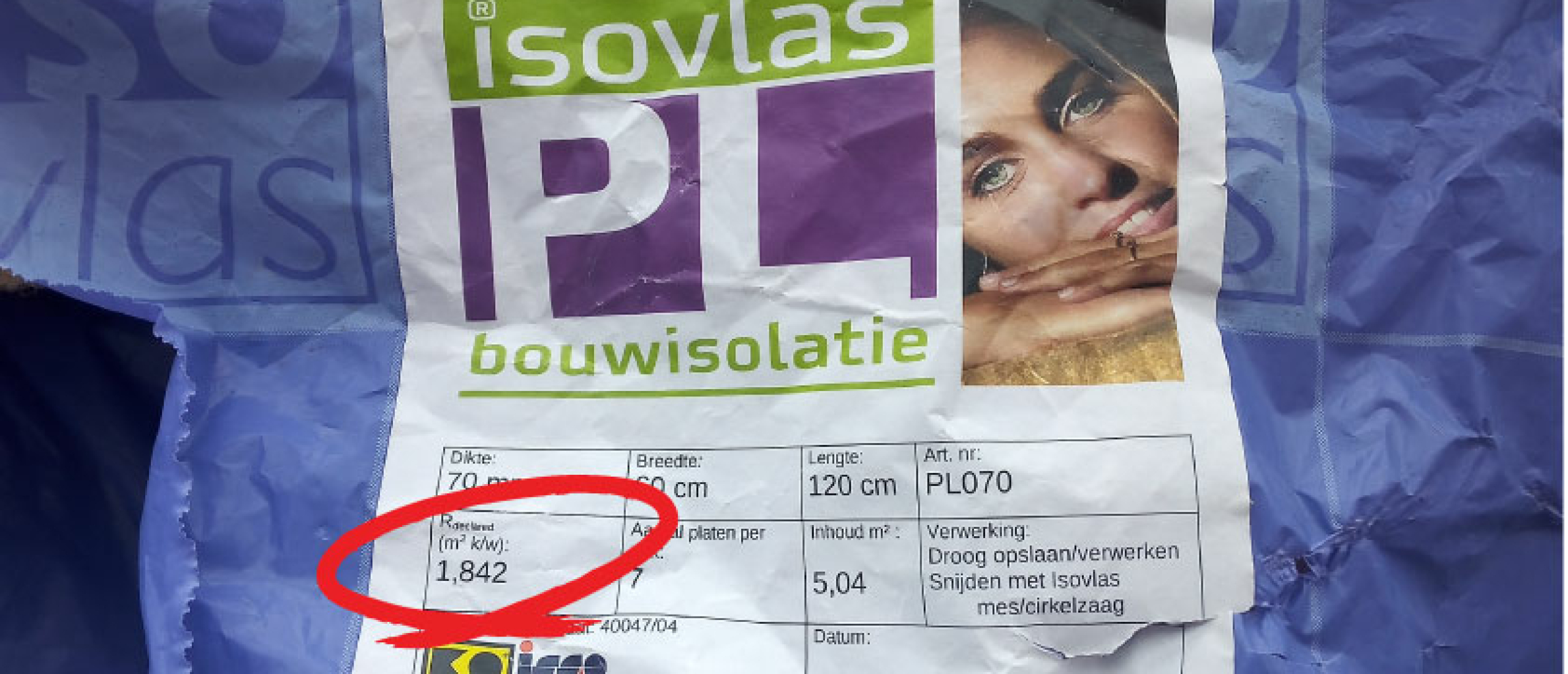
of 3.0 to 3.5. If you want even more comfort and energy savings, go for 15-20 cm of insulation (Rd 4.0 to 6.0). Keep in mind that biobased materials have a slightly lower insulation value than traditional insulation materials. For the same Rd-value, you will therefore need a thicker layer. On the other hand, the vapor-openness and thermal buffering of natural materials also contribute to a comfortable indoor climate.
Can I get a subsidy for insulating with biobased materials?
Yes, there is a national ISDE subsidy available for insulating your home with natural materials such as wood fiber, hemp, flax, and cellulose. The subsidy amounts to €8 per square meter and comes on top of the standard subsidy amount of €30 per square meter for facade insulation. To qualify for the subsidy, the Rd-value of the insulation must be at least 3.5. A minimum thickness also applies