No. Mice are not attracted to biobased insulation, but by warmth, shelter, and access to a home.
That's the short version.
I have previously written this article about it:
Biobased insulation and pests: facts and myths unravelled
Yet this question keeps coming up. Logically so. Because the idea that "natural materials" attract animals feels intuitively true. Straw, wood fibre or cellulose simply sounds more appealing to an animal than glass wool or plastic.
But intuition is a poor guide here.
If you really want to understand how this works – and more importantly: how to prevent mice – you need to look at behaviour, build quality, and execution. Not just the material.
Also read what biobased insulation exactly is and how it differs from traditional materials.
Do mice deliberately choose biobased insulation?
No. According to TNO, mice have no demonstrable preference for biobased or synthetic insulation materials.
Research by TNO shows that pest species such as mice and rats do not target the type of insulation material.
They don't distinguish between:
wood fibre
cellulose
straw
glass wool
PIR or EPS
For a mouse, insulation isn't a "product choice".
It's an environment.
And that environment must meet three conditions:
warm
sheltered
accessible
If those are met, it's good enough.
Why are there sometimes mice in insulation then?
Because insulation can be an ideal nesting place. Not because it's eaten.
Herein lies the nuance that is often missing.
Insulation is:
soft
quiet
warm
protected
That makes it suitable as a nesting place.
And that applies to all insulation materials.
TNO also confirms this:
Both biobased and non-biobased materials can be used as nesting material.
So yes - mice can be in biobased insulation.
But that applies just as much to glass wool or plastic insulation.
The difference is not in the material.
Do mice eat biobased insulation such as straw or wood fibre?
No. Biobased insulation is not a food source for mice.
Many natural insulation materials consist of:
cellulose
lignin
fibre structures
These are barely digestible for mice and provide no nutritional value.
So a mouse doesn't come in because it "fancies some wood fibre".
It comes in because it's looking for a place to survive.
What actually attracts mice to a home then?
Not the material, but the conditions: access, warmth, and safety.
Mice enter homes via:
cracks and seams
openings around pipes
connections in facades and roofs
ventilation openings
damage to the building envelope
According to TNO, these are the primary factors that determine whether a home is attractive to pest species.
So the real question is not:
"Does this material attract mice?"
But:
"Where can mice get in?"
Why does biobased insulation seem more susceptible to mice?
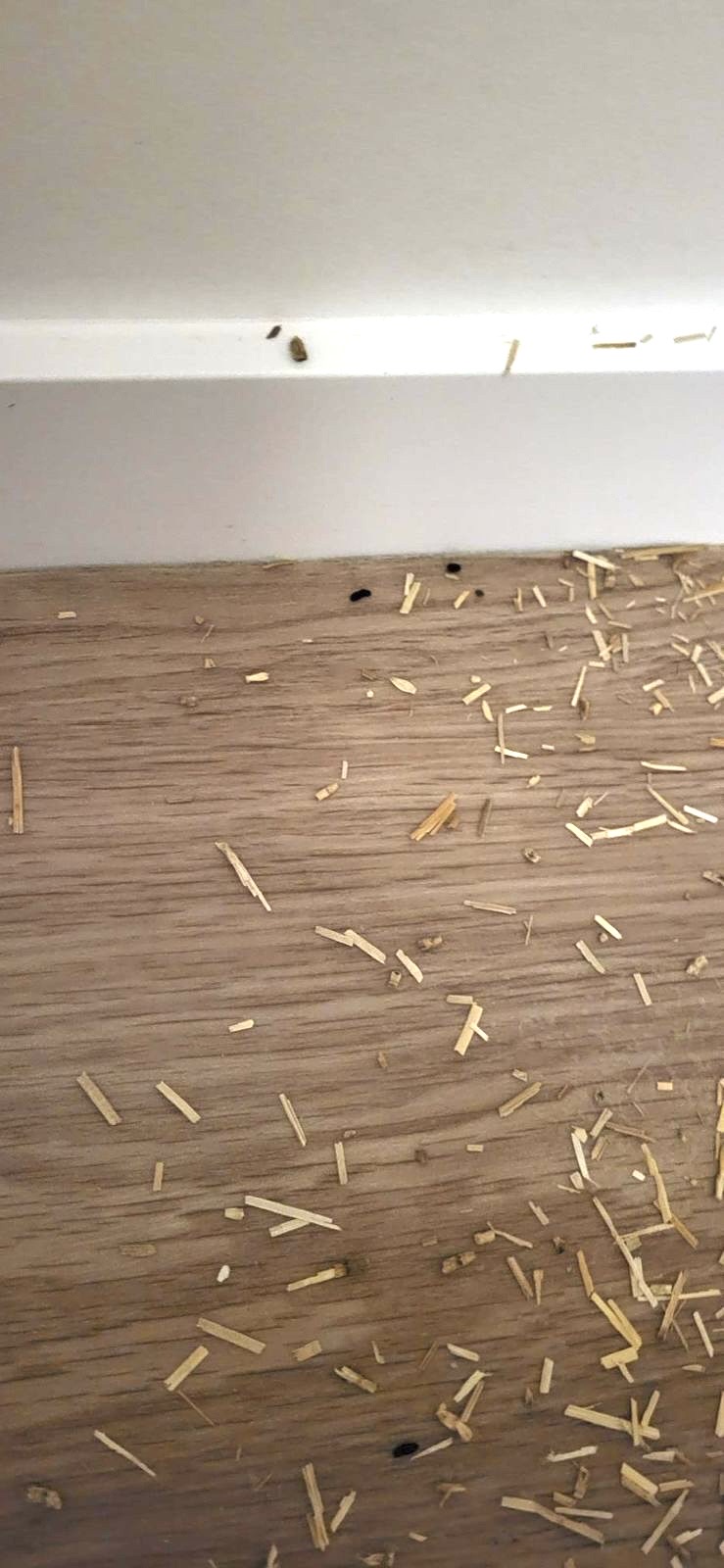
Because traces are often more visible. Not because there are more mice.
This is an important psychological effect.
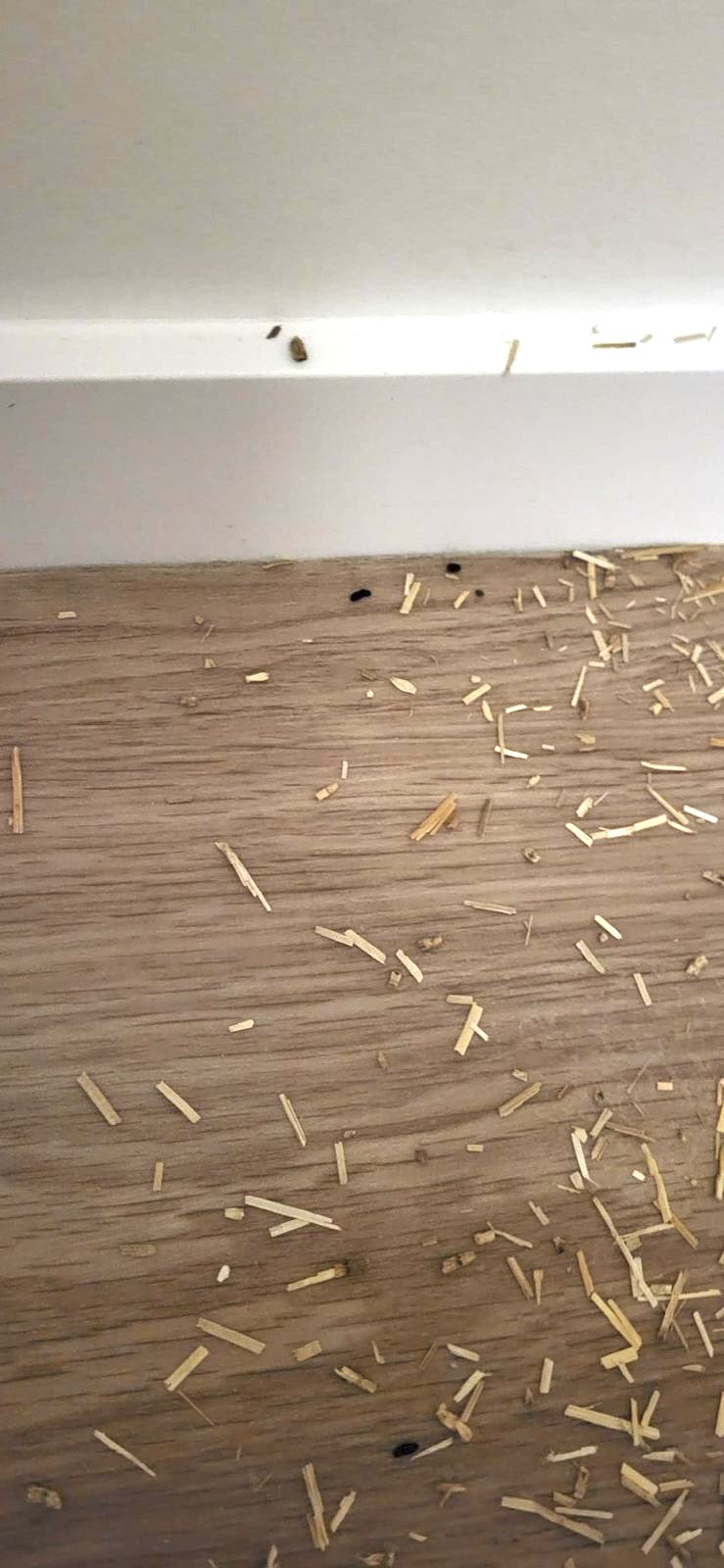
With materials such as:
straw
wood fibre
cellulose
small fibres or particles can become visible if there has been activity.
With glass wool or PIR, the same happens, but it's less quickly seen.
The result:
the problem seems larger with biobased insulation
While in reality, it's often just more visible.
And that can actually be an advantage.
Because what is visible, you can solve.
Is biobased insulation a greater risk then?
No. The risk of mice is determined by execution, not by material choice.
TNO clearly states:
The presence of pest species is primarily determined by access, moisture, and constructive quality.
So the risk lies in:
open seams
poor airtightness
unfinished connections
existing gaps that remain
Not in the fact that a material is "natural".
How significant is the role of airtightness in relation to mice?
Significant. But not because foil stops mice.
This is an important distinction that is often misinterpreted.
Airtight foils and tapes are intended for:
limiting air leaks
regulating moisture
Not for:
- stopping mice
If a mouse can reach the foil, it will simply gnaw through it.
Nevertheless, airtightness remains essential.
Not as a physical barrier, but because it is often related to how carefully a construction is detailed:
are seams closed?
are penetrations finished?
are connections correct?
In other words:
airtightness doesn't stop mice
but poor detailing does give them access
A mouse only needs an opening of about 6 mm.
And precisely there is where things often go wrong.
Why do you see this problem more often with renovations?
Because existing homes already have cracks and defects that are not always resolved.
Many biobased insulation materials are used in existing buildings:
old brick homes
monuments
homes with vapour-open constructions
And precisely there often are:
hidden cracks
old penetrations
cracks in connections
If these are not addressed before insulation:
you create a perfect situation for mice
Not due to the material
but due to the existing condition of the home
Why do cheap quotes entail a greater risk of mice?
Because detailing and airtightness are often omitted to be able to offer a lower price.
In quotes, you often see:
price per m²
type of insulation
thickness
But rarely do you see:
how connections are made
how airtightness is achieved
who is responsible for details
These are precisely the components that determine whether a home is mouse-proof.
We regularly lose quotes because we are more expensive.
And later hear:
"we had to do the foil ourselves"
"it's still draughty"
"holes in the wall were not sealed"
These are not material problems.
These are execution problems.
How do you prevent mice with insulation?
By eliminating access, not by changing the material.
Effective prevention consists of:
1. Sealing gaps
finishing seams and connections
making penetrations airtight
closing openings
2. Proper airtightness execution
correctly installing foils
taping connections
no "approximate" work
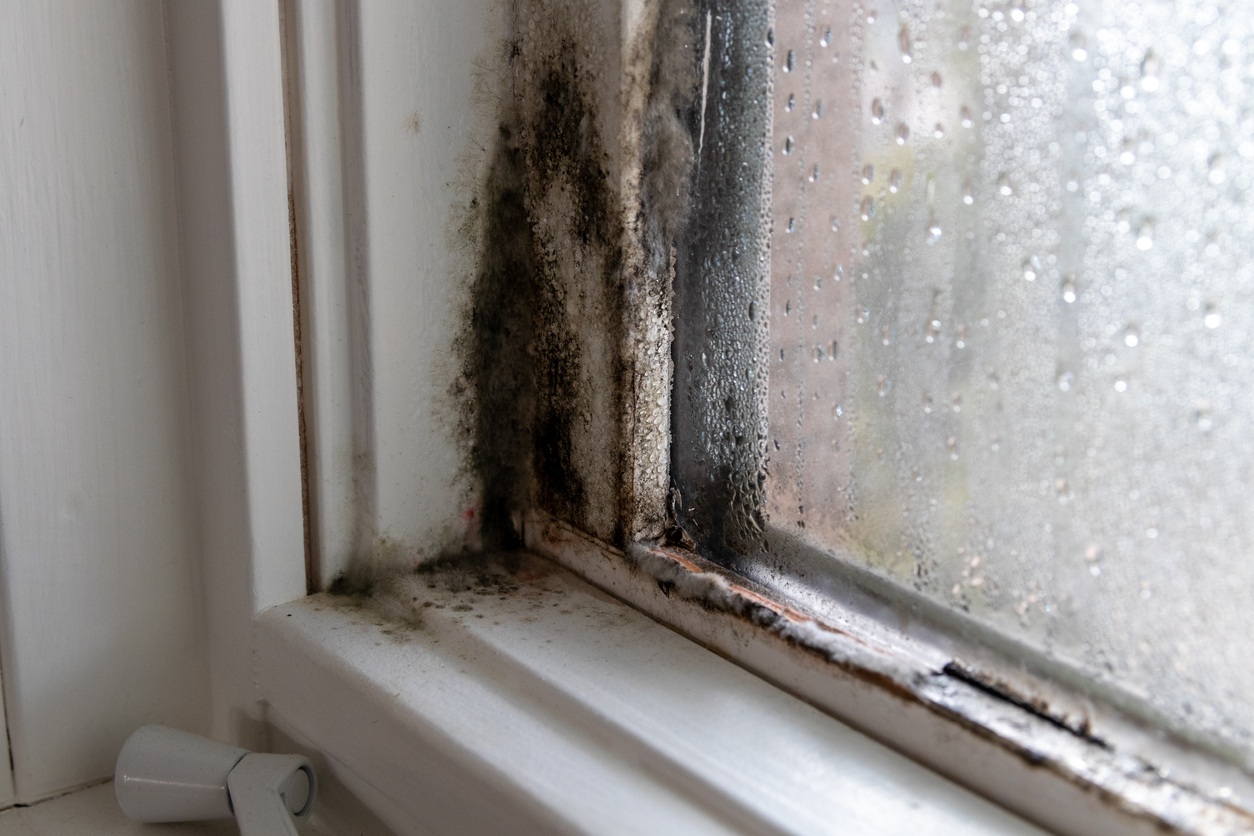
3. Solving moisture problems
fixing leaks
preventing condensation
proper ventilation
4. Managing the environment
no food sources
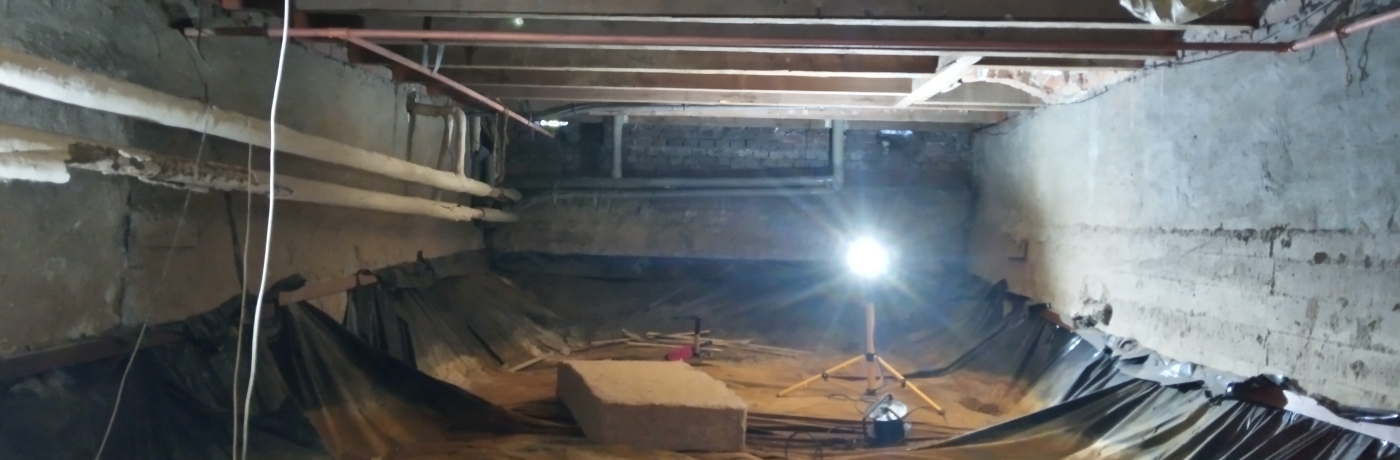
keeping crawl space clean
TNO emphasizes precisely this approach.
So not: choosing a different material.
But: building better.
What is the biggest misconception about biobased insulation and mice?
That the material is the problem, while the problem is almost always in the execution.
This misconception leads to wrong choices.
People avoid biobased insulation
while they should actually be looking at:
quality of the (main) contractor
detailing
airtightness
And thus, they do not solve the real problem.
Is it a disadvantage that you sometimes see traces?
If you ask us, no. It can actually help to find and solve problems faster.
With biobased insulation, you sometimes see:
small fibres
disturbances
visible traces
That provides information.
With synthetic materials, this often remains hidden.
So the question becomes:
Do you want a problem that is visible?
Or a problem that remains hidden?
What should you, as a homeowner, really ask?
Not just what material is used, but especially how it is applied.
Ask questions such as:
how is airtightness achieved?
how are connections finished?
do you check existing gaps?
who is responsible for details?
how are access points sealed?
That is the difference between:
- a home that works
- and a home that encounters problems
What is the honest conclusion about biobased insulation and mice?
Biobased insulation does not attract mice. Poor execution does.
Mice don't choose materials.
They choose circumstances.
And those circumstances are determined by you - or your contractor.
Do you want to be sure your insulation is expertly installed?
Don't just check the material, but especially the details in the quote.
Because insulation only works if:
airtightness is correct
connections are good
gaps are resolved
Do you want to know if your quote includes this?
Use the Quote Checker on our website and see where the difference lies.