Are slippers a must-have in your home due to cold floors? Little to no insulation under your floor or in the crawl space can make your floor feel ice cold. Good floor insulation
not only saves energy but also ensures a warmer floor.
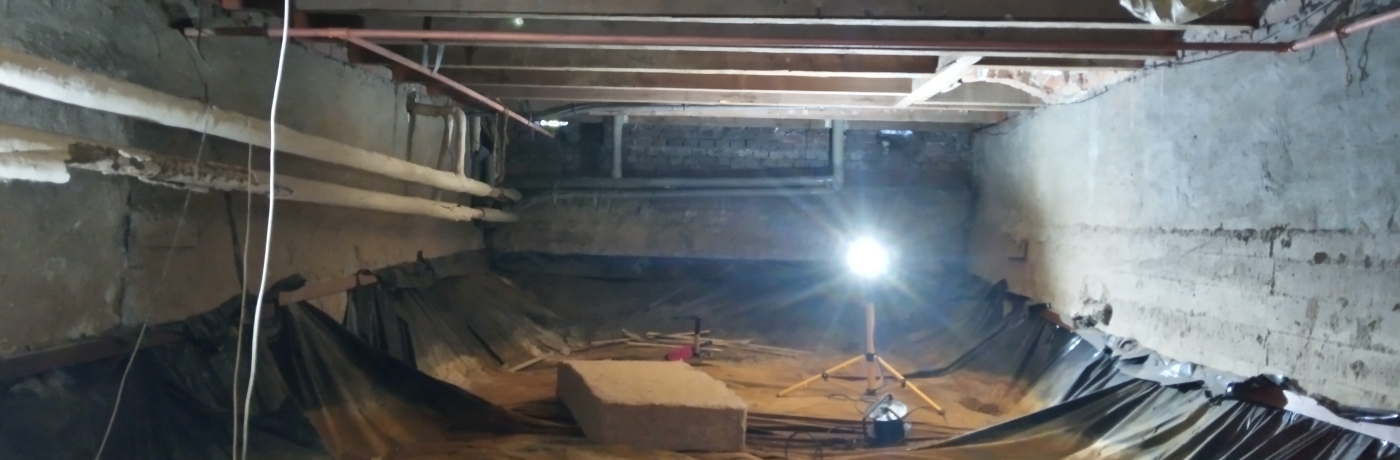
In this article, you will learn step-by-step how to ecologically insulate your wooden floor from the crawl space. Some also call this 'insulating your crawl space yourself'. Insulating a concrete floor can be done in a similar way but with the help of adhesive pins or a sub-construction of impregnated wooden battens. Check beforehand that your crawl space is at least 50 centimetres high and the ground is not too wet.
Installing Floor Insulation via the Crawl Space
Floor insulation from the crawl space - How to do it yourself | Ecobouwschool - YouTube
Isoleerbewust
412 subscribers
Floor insulation from the crawl space - How to do it yourself | Ecobouwschool
Isoleerbewust
Search
Watch later
Share
Copy link
Info
Shopping
Tap to unmute
If playback doesn't begin shortly, try restarting your device.
More videos
More videos
You're signed out
Videos you watch may be added to the TV's watch history and influence TV recommendations. To avoid this, cancel and sign in to YouTube on your computer.
CancelConfirm
Share
Include playlist
An error occurred while retrieving sharing information. Please try again later.
0:00
0:00 / 9:40
•Live
•
Step 1: Install Insulation
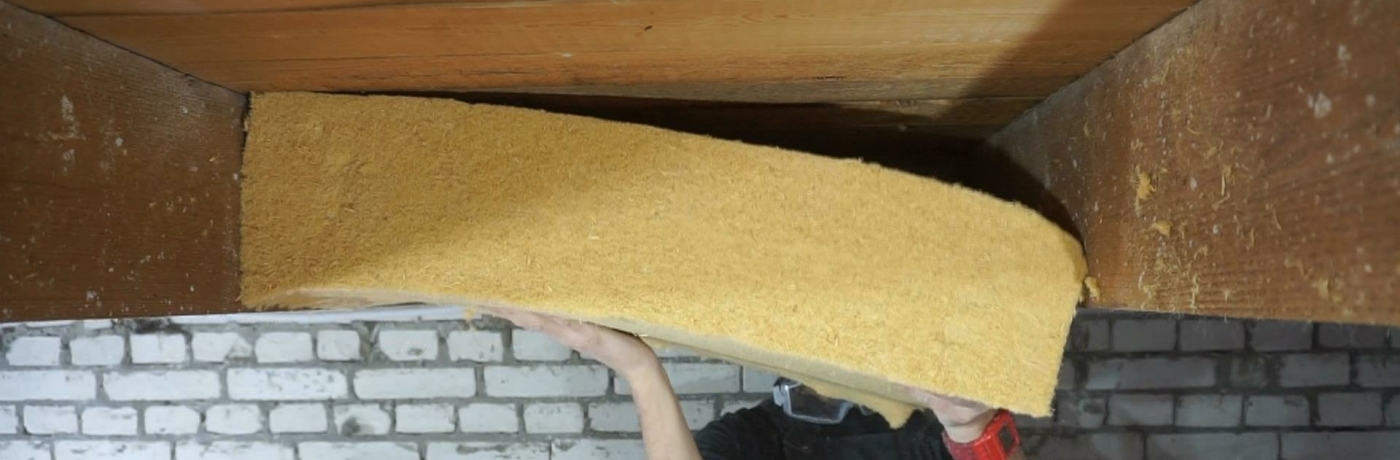
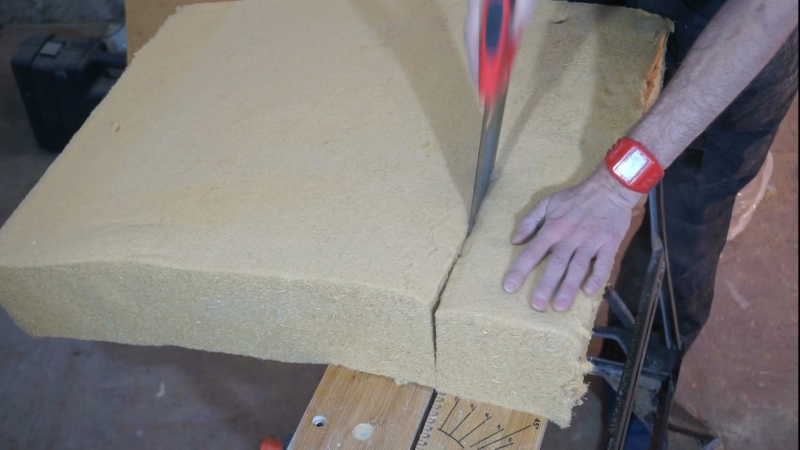
Start by cutting the insulation to size. Measure the space between the floor joists and add 1 to 2 centimetres. Make sure that the insulation mats fit through the opening of your crawl space hatch. Then place the insulation material between the floor joists against the floor. The wood wool insulation in the video is sturdy enough, so you don't need strings to hold the insulation against the floor.
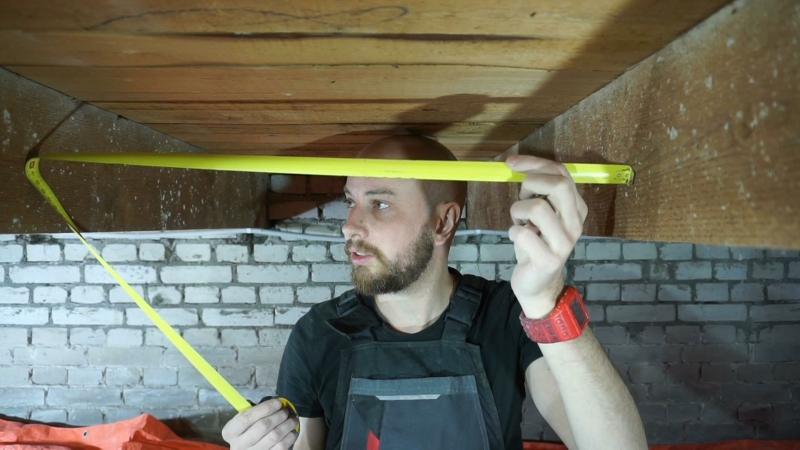
Measuring how much space there is between the wooden joists
If the natural insulation materials do not fit through the opening near your crawl space hatch, you can do the following:
- If you have a wooden floor and opt for rigid insulation material such as wood fibre insulation, cut the insulation material to size so that it fits through the opening and can be clamped between the joists.
- If you have a wooden floor and opt for flexible insulation material such as flax insulation
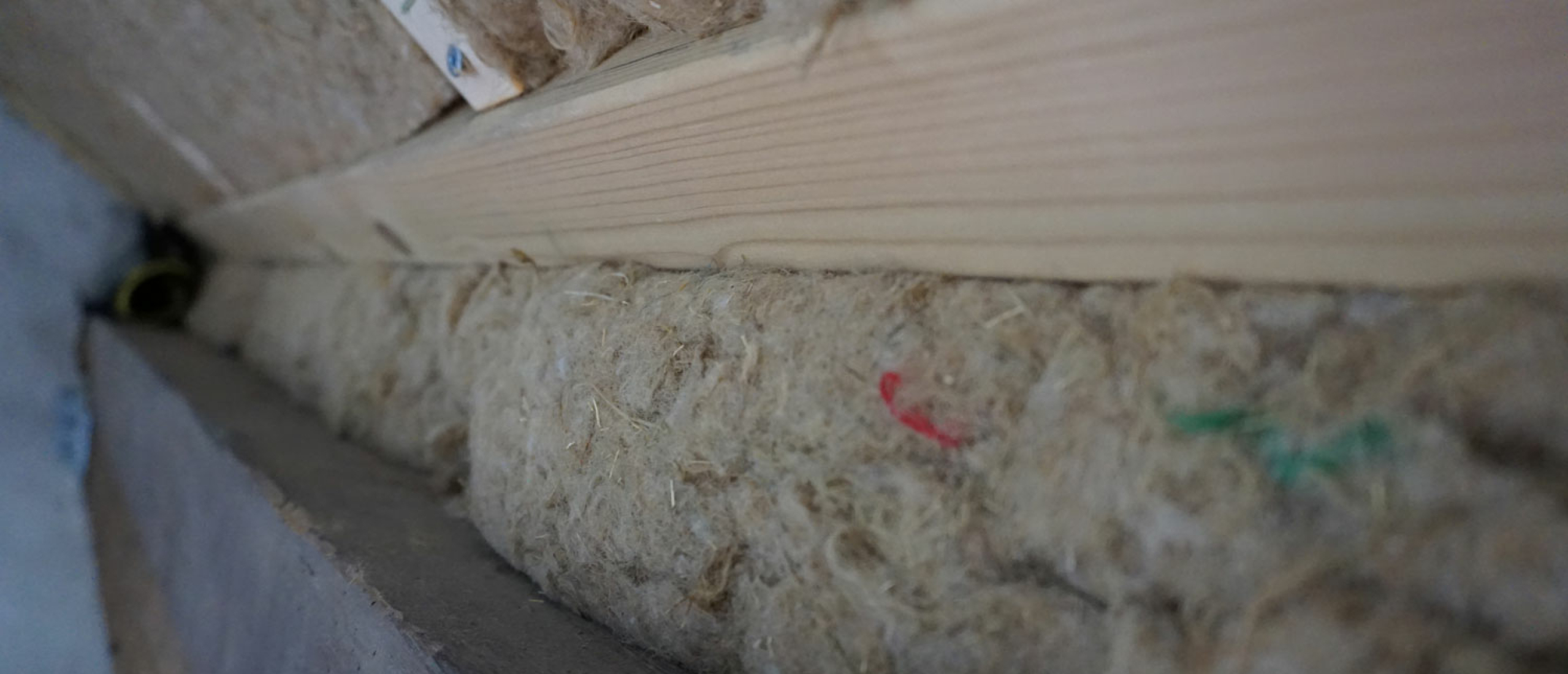
What is flax insulation? Flax insulation is a by-product of the linen industry. Companies such as Isovlas produce this type of insulation material. Flax insulation is one of the best-known natural.. then see if you can fold the insulation material through the opening and then place it between the joists and string cords under the joists to hold the insulation material in place.
- If you have a concrete floor, it is best to choose flexible insulation material such as flax insulation. Since there are often no floor joists present, you can use adhesive pins to attach the insulation material to the floor or create a sub-structure hanging under the floor made of impregnated wooden battens, clamping the insulation between the floor and the battens.
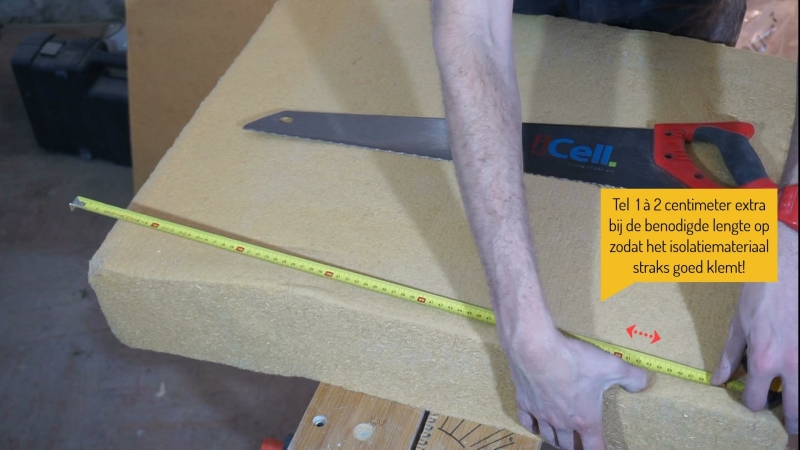 Measuring and cutting insulation to size
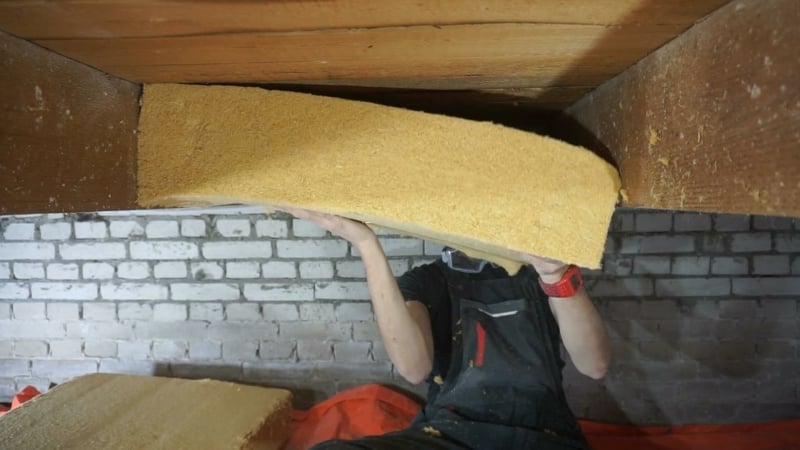 Firmly clamping insulation between the wooden joists
Step 2: Install Vapour Control Layer
PLEASE NOTE: In a damp crawl space, it is best to install a vapour-variable membrane on the underside of the insulation in combination with a ground membrane. A relative humidity of 85% indicates a damp crawl space. Many crawl spaces in West Netherlands are damp. Check the article 'Insulating a Crawl Space: Pay Attention to these 6 Common Problems'.
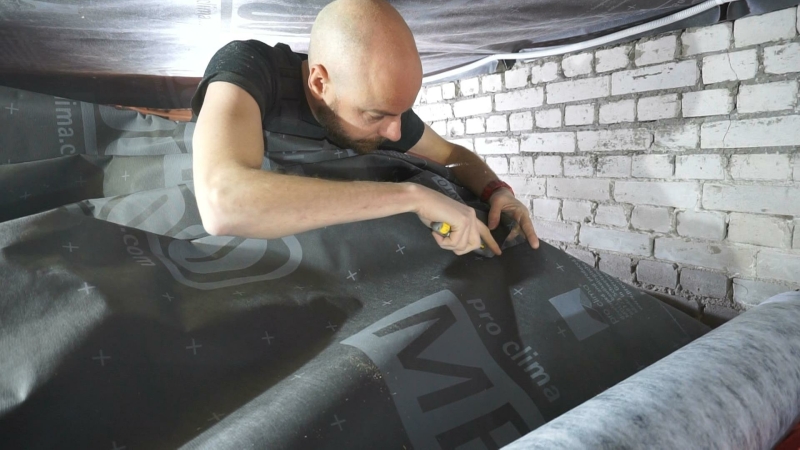
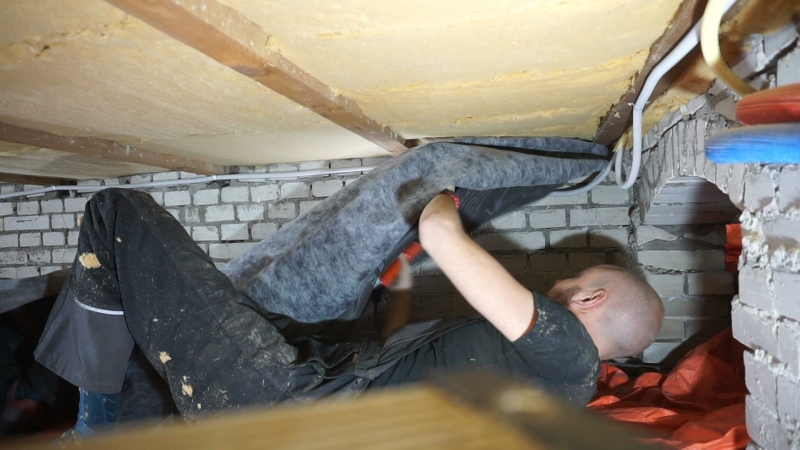
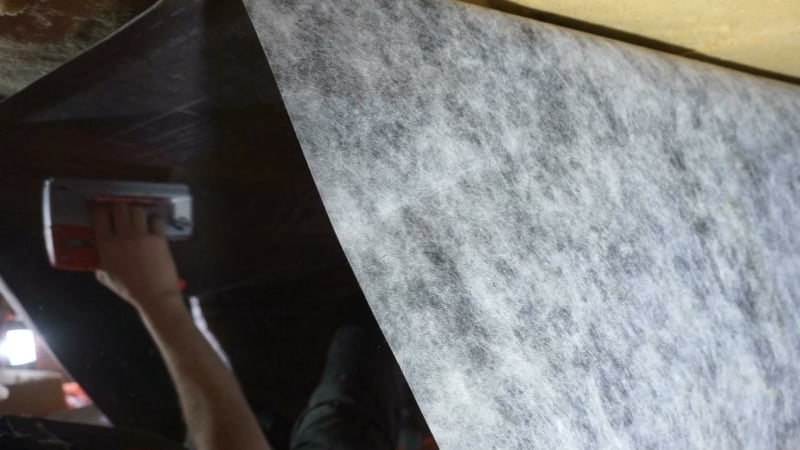
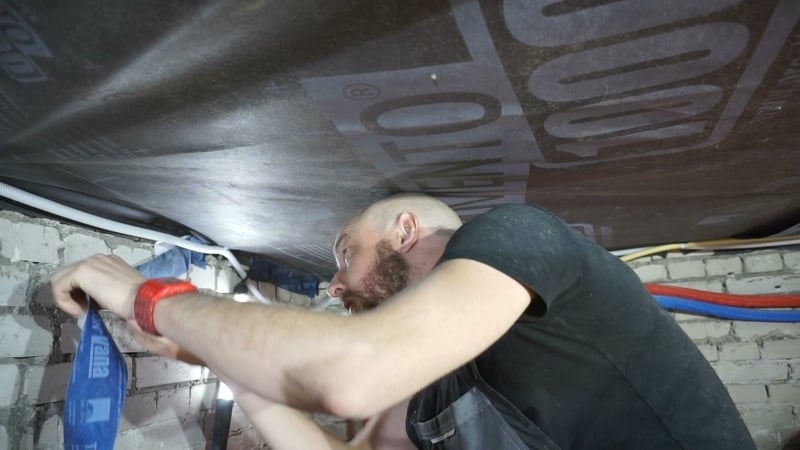
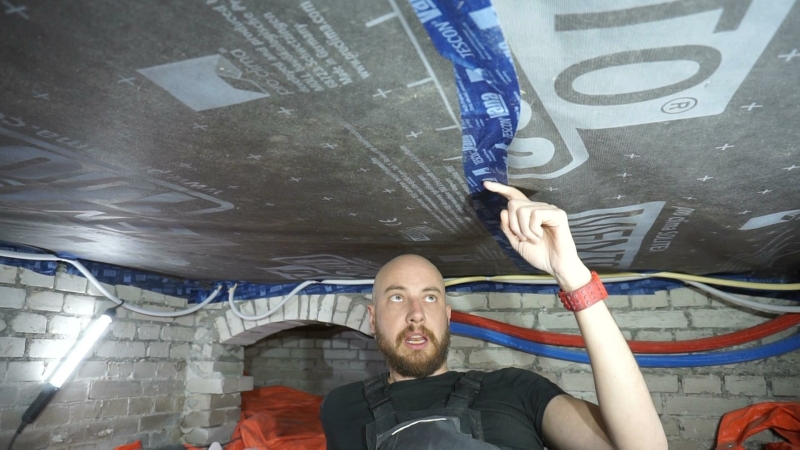
Start by measuring how long the strip of membrane needs to be. Try to create the longest possible strips, as this will save on tape later and reduce the risk of air gaps. When cutting the membrane to size, use the designated markings and plus signs on the membrane for a straight cut. Then, staple the membrane to the floor joists every 10 centimetres. It is important to start straight to avoid creases in the membrane. Therefore, first secure one side and then roll it out to the other side. Leave an extra 5 centimetres near walls for an airtight seal. Allow for a 10-centimetre overlap of membrane strips. Finally, seal the seams with airtight tape. Overlaps between strips and any damage should also be taped.
You will need these tools:
- Insulation saw
- Insulation knife
- Grinder
- Staple gun
- Utility knife
- Tape measure
Possibly also a dust mask, safety goggles, and headlamp.
You will need these materials:
- Natural insulation material such as wood fibre insulation, flax insulation, grass fibre insulation, etc.
- Vapour-open membrane
Vapour-open membrane: what is it? Vapour-open membrane allows moisture from the construction to escape, preventing condensation and thus mould in your structure and insulation materials. This membrane is often wind- and..
- Airtight tape
- Staples